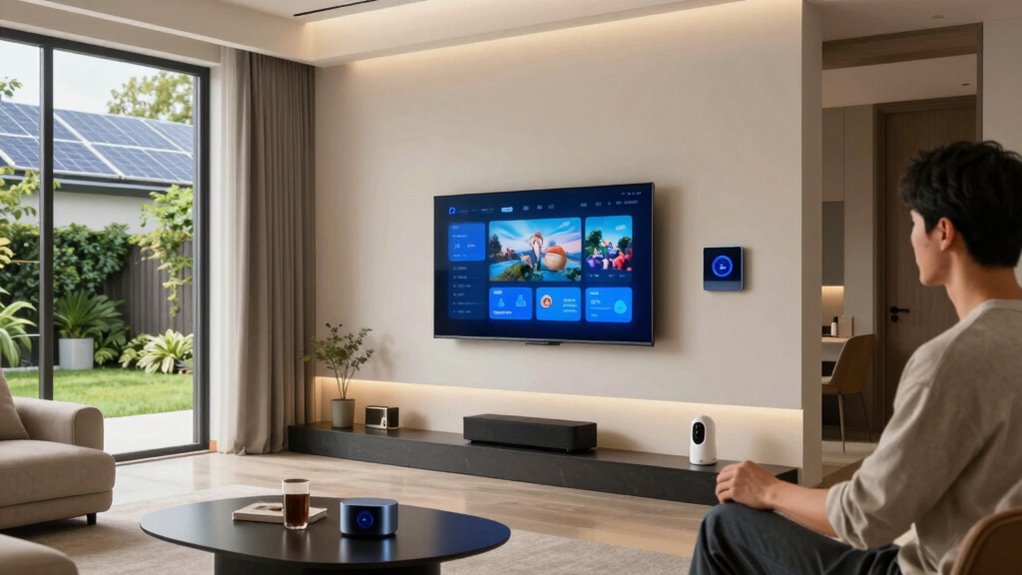

To build a future-ready smart setup, focus on energy-efficient devices that can adapt as your needs grow. Choose compatible products that work with popular platforms like Alexa or Google Home to make expansion easier. Prioritize security features like cameras and smart locks, and plan for scalability with hubs supporting multiple protocols. Keep firmware updated and consult professionals when needed. Staying informed guarantees your system remains versatile and up-to-date—if you keep exploring, you’ll discover even more ways to optimize your smart home.
Listen free for 30 days with Audible
Thousands of audiobooks and originals — cancel anytime.
As an affiliate, we earn on qualifying purchases.
Key Takeaways
- Choose devices compatible with major platforms to ensure seamless integration and future upgrades.
- Prioritize scalability by selecting hubs and devices supporting multiple protocols for easy expansion.
- Regularly update firmware and software to maintain security and compatibility with evolving standards.
- Incorporate energy-efficient devices to reduce costs and support sustainable smart home growth.
- Consult professionals for system design and maintenance, ensuring long-term reliability and adaptability.
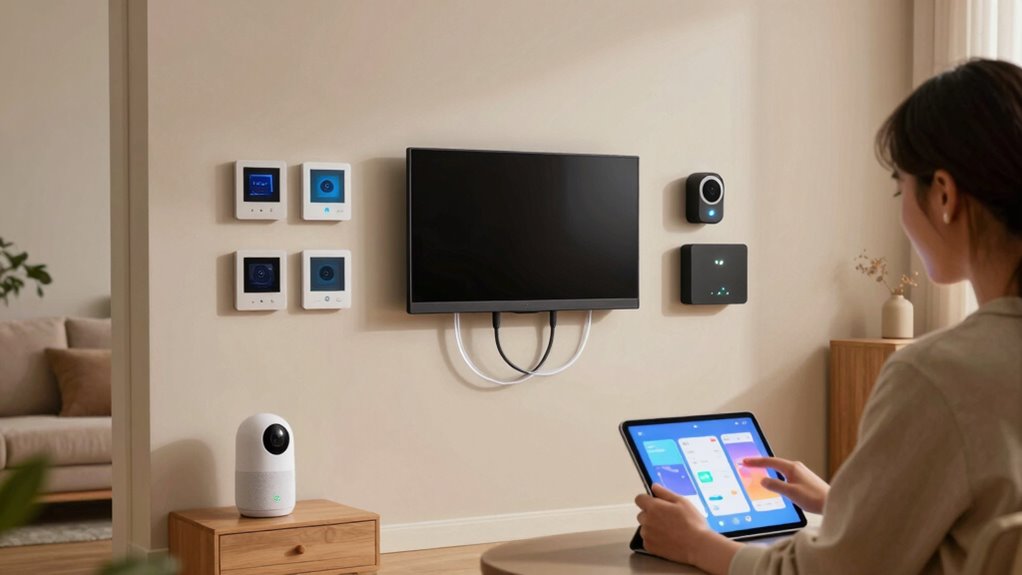
As technology advances, more homeowners are taking proactive steps to create smart setups that are not only convenient but also future-proof. You want a system that adapts to your lifestyle, saves energy, and keeps your home secure. Building a future-ready smart setup means choosing devices and configurations that can grow with you and meet your evolving needs. Start by focusing on energy efficiency. Smart thermostats are a great first step—they learn your schedule, adjusting temperatures to save on energy bills while maintaining comfort. Combine this with smart lighting that can be scheduled or controlled remotely, reducing unnecessary power use. These small changes can add up, notably lowering your household’s energy consumption. When selecting smart devices, prioritize those compatible with popular platforms like Google Home or Amazon Alexa. This guarantees seamless integration and easier expansion later. You don’t want to be confined to a single brand or ecosystem that might become obsolete or incompatible down the line.
Security enhancements are equally vital. Investing in a thorough smart security system provides peace of mind and helps protect your home proactively. Choose cameras with high-definition video, motion detection, and night vision to monitor your property effectively. Doorbell cameras with two-way audio let you see and communicate with visitors from anywhere, adding an extra layer of security. Smart locks offer keyless entry, so you can lock or unlock doors remotely and grant temporary access to family or trusted visitors. Make sure your security devices can integrate with your existing setup, providing centralized control and real-time alerts. Setting up routines that activate security features when you leave or go to bed ensures your home stays protected without requiring constant manual intervention. Incorporating smart device compatibility can further simplify managing your system as new devices become available. Additionally, choosing devices with scalable architecture allows your smart home to expand smoothly over time, accommodating new technologies and features. Regularly reviewing your system and compatibility standards helps ensure ongoing functionality and security. Staying informed about emerging smart home standards can also help future-proof your setup and avoid obsolescence. To maximize the longevity and effectiveness of your system, consider consulting with professionals who specialize in smart home integration.
Building a future-proof setup also involves planning for scalability. Start with a core system that covers your immediate needs, then add devices over time as new technologies emerge or your circumstances change. Opt for hubs and controllers that support multiple devices and protocols, making it easier to expand without replacing entire systems. Regularly update firmware and software to keep your devices secure and functioning at their best. Staying informed about emerging smart home trends and standards helps you make smarter choices, ensuring your setup remains relevant for years to come. By prioritizing energy efficiency, security enhancements, and thoughtful scalability, you create a home that’s not just smart today but ready for whatever the future holds.
Amazon Alexa compatible smart home hub
As an affiliate, we earn on qualifying purchases.
As an affiliate, we earn on qualifying purchases.
Frequently Asked Questions
How Secure Are Smart Home Devices From Cyber Threats?
Smart home devices are increasingly secure, but you should remain cautious of cyber vulnerabilities and privacy concerns. Hackers can exploit weak passwords or outdated firmware, so always update your devices regularly and use strong, unique passwords. Enable two-factor authentication where possible, and avoid sharing sensitive information. Staying informed about potential cyber threats and practicing good security habits helps protect your devices and your privacy from cyber vulnerabilities.
Can I Retrofit My Existing Home With Smart Technology Easily?
Retrofitting your home with smart technology isn’t as intimidating as it seems. While retrofit challenges like compatibility and wiring might arise, you can simplify the process with smart installation tips. Start by evaluating your current systems, choose compatible devices, and plan your setup step-by-step. With patience and proper guidance, you’ll enhance your home’s intelligence, making it future-ready without major renovations.
What’s the Average Cost of a Future-Ready Smart Home Setup?
The average cost of a future-ready smart home setup ranges from $2,000 to $10,000, depending on your choices. You’ll invest in energy-efficient devices that save money over time, and prioritize user privacy by selecting secure, encrypted systems. While upfront costs vary, smart technology enhances convenience and sustainability. Consider your needs to balance budget and features, ensuring your setup is both future-ready and aligned with your privacy concerns.
How Do I Ensure Compatibility Between Different Smart Devices?
Imagine your smart home as a bustling city where devices seamlessly communicate like well-connected roads. To guarantee compatibility, focus on device integration and choose products adhering to interoperability standards like Zigbee or Z-Wave. These standards act as universal languages, allowing your smart devices to work together smoothly. Before purchasing, verify compatibility and opt for brands that prioritize open standards, creating a harmonious and future-proof smart home environment.
What Are the Best Practices for Maintaining Smart Home Systems?
You should regularly update your smart devices’ firmware and apps to keep your system secure and functioning smoothly. Use energy management features to optimize power use and prevent overloads. Prioritize user customization, adjusting settings to suit your routines and preferences. Periodically check device connections and integrations, and troubleshoot issues promptly. This proactive approach guarantees your smart home remains reliable, efficient, and tailored to your evolving needs.
smart security camera with night vision
As an affiliate, we earn on qualifying purchases.
As an affiliate, we earn on qualifying purchases.
Conclusion
By embracing smart technology now, you’re planting seeds for a more resilient future—think of it as building a sturdy tree that withstands storms. When you prioritize future-proofing, you’re not just upgrading your home; you’re creating a sanctuary that adapts and grows with you. Just like a well-rooted tree provides shade and shelter, a smart setup offers peace of mind and convenience for years to come. Start today, and watch your home flourish.
keyless smart lock for front door
As an affiliate, we earn on qualifying purchases.
As an affiliate, we earn on qualifying purchases.
energy-efficient smart thermostat
As an affiliate, we earn on qualifying purchases.
As an affiliate, we earn on qualifying purchases.
Fall Picks
fall essentials
As an affiliate, we earn on qualifying purchases.