
TL;DR

Get home appliances delivered free with Prime
- Fast, free delivery on millions of items
- Prime Video, Amazon Music and more included
- Member-only deals all year
A Design Milk guide sponsored by smart-lighting brand Govee outlines ways to layer lighting in living rooms, bedrooms and home offices as daylight decreases in fall. It recommends combining lights at different heights and using color temperature and placement to adjust a room’s feel; the product and wellness claims are attributed to Govee’s chief marketing officer, Sherry Ye.
Design Milk has published a room-by-room guide to layered lighting for fall, recommending different combinations for living rooms, bedrooms and home offices as shorter days increase reliance on artificial light. The guide, which features products from smart-lighting company Govee, presents lighting as a way to change a room’s atmosphere without a permanent renovation; its recommendations and claims about mood are not independent research findings.
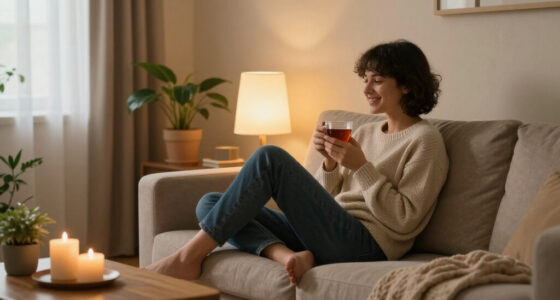
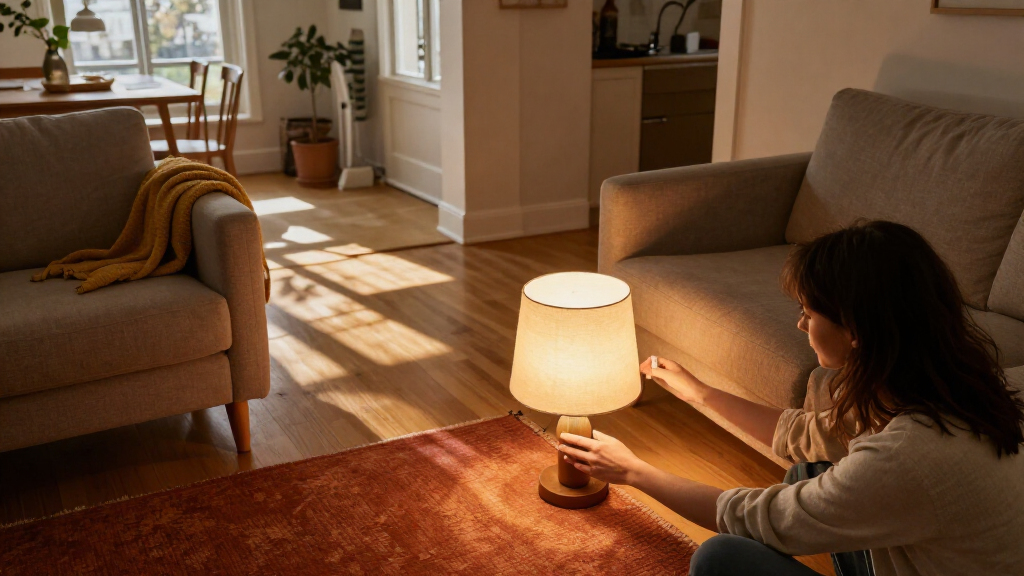
For living rooms, the guide suggests placing light sources at several heights around seating to create a softer, more inviting evening setting. Its examples include a floor lamp to wash a corner and wall, a table lamp for a lower pool of light, and a TV backlight to reduce the visual contrast between a bright screen and a dark wall. The featured lamps and backlight are Govee products, and the company says they can be dimmed and adjusted together through an app.
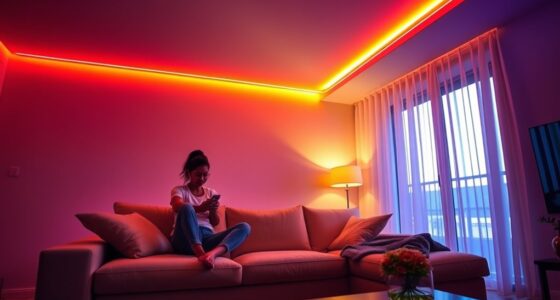
For bedrooms, the recommended approach is low-intensity, indirect light rather than a bright central source. The guide pairs floor and table lamps with a strip light placed behind a headboard or on another surface. It says the strip can provide warm light in the 2500K–2700K range as well as blue and purple accents. The source presents this as a design recommendation, not evidence that a particular lighting setup improves sleep.
For home offices, the guide advises combining clearer task lighting with softer accents. It cites a ceiling light with a 4000K–6000K range for visibility and concentration, balanced by warmer floor and table lamps. The article also recommends using light placement to highlight art or plants, or to soften walls and other hard surfaces. Its examples focus on adjustable smart products, but the broader principle is to mix lighting roles rather than rely on one source.
Lighting for Shorter Fall Days
As daylight hours decrease, lighting can affect how usable and comfortable rooms feel in the evening. The guide’s practical point is that homeowners can change a room’s atmosphere by adjusting brightness, color and placement, without buying furniture or making permanent changes. That flexibility may be useful for renters and people who want to test different arrangements before committing to more substantial work.
The recommendations also distinguish between different uses of a room: softer light for relaxing, and brighter, clearer light for tasks. Those are design suggestions rather than universal rules. Individual preferences, the room’s existing daylight and the specific activity all affect what setup works.
Products Worth Considering

DJI Mini 5 Pro Fly More Combo Plus with DJI RC 2

Sonos Era 100 SL Compact, Microphone-Free Speaker – Black

Anker SOLIX S2000 Portable Power Station, 2,010Wh, 1,500W
As an affiliate, we earn on qualifying purchases.
Three Rooms, Three Lighting Goals
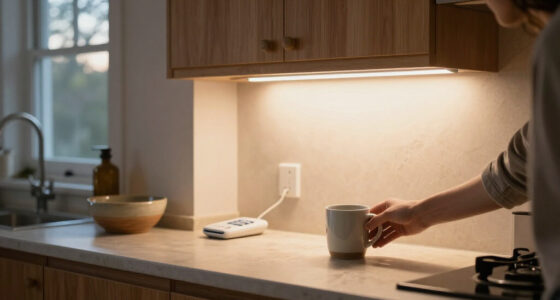
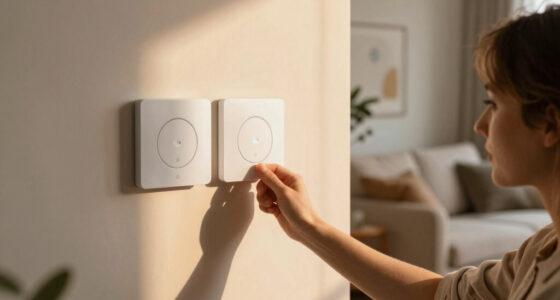
The article responds to a seasonal change: in fall, shorter days and longer nights mean people depend more on indoor lighting. Rather than treating a home’s lighting as one overall setting, Design Milk organizes its guide around three rooms and their intended uses: connection in the living room, relaxation in the bedroom, and focus in the home office.
Govee’s chief marketing officer, Sherry Ye, is the source for the guide’s comments about light and mood. The article also discusses color temperature, gradients and indirect placement as ways to shape how surfaces and colors appear. Because the report features Govee products and quotes a company executive, its product descriptions and claims should be understood as company-sourced guidance.
““Layering warm light fills the visual void left by early dusk, softening cold architectural surfaces and mimicking the natural amber warmth of sunset.””
— Sherry Ye, chief marketing officer at Govee, as quoted by Design Milk
Limits of the Lighting Advice
The source does not identify the guide as a controlled study or provide independent evidence that its suggested lighting combinations prevent eye fatigue, improve concentration or support sleep. Those outcomes are presented as design guidance and claims from Govee’s marketing chief. The article also does not compare the featured products with alternatives or provide prices, energy-use figures or independent product testing.
There is no single brightness or color temperature that will suit every room or household. The source does not give measurements for room size, existing light levels or individual needs, so readers would need to adjust the suggestions to their own space. It also does not state a publication date beyond identifying the guide as a fall-season article.
Adjust the Setup at Home
The guide offers no announced follow-up, testing schedule or next publication milestone. Its practical next step for readers is to try a room-specific mix of light sources and adjust brightness, color temperature and placement to suit the room’s use. The source recommends experimenting with flexible fixtures, but does not establish that smart products are necessary; conventional lamps can also be arranged to create different lighting layers.
Key Questions
What does layered lighting mean in the guide?
It means combining more than one light source, often at different heights or in different positions, rather than relying on a single overhead fixture. The examples include floor, table, ceiling and accent lighting.
What lighting does the guide suggest for a bedroom?
It recommends soft, indirect light from floor and table lamps, with an optional strip light behind a headboard or on another surface. The article gives a warm-light range of 2500K–2700K for one featured strip-light example.
How does the guide approach home-office lighting?
It pairs brighter task lighting, with a cited 4000K–6000K range, with warmer accent lamps to reduce a stark appearance. These are recommendations from the guide, not a one-size-fits-all prescription.
Does the article prove that warm light improves sleep or focus?
No. The source quotes Govee executive Sherry Ye on light and mood but does not provide independent studies or testing to establish those effects. The claims should be treated as company-attributed guidance.
Source: design-milk.com