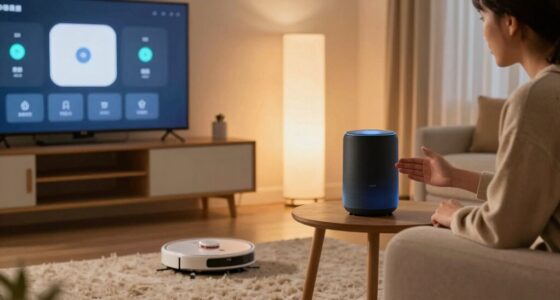

Smart homes are quietly raising your expectations by making properties more energy-efficient, secure, and personalized. With devices that optimize energy use, enhance security, and simplify management, your home becomes an active participant in sustainable living and safety. These upgrades boost property value and appeal to modern buyers like you. As technology reshapes how you own and experience your home, you’ll discover even more ways these innovations are changing the game.

Get home appliances delivered free with Prime
- Fast, free delivery on millions of items
- Prime Video, Amazon Music and more included
- Member-only deals all year
Key Takeaways
- Smart homes enhance energy efficiency, reducing utility costs and supporting eco-friendly living.
- Integrated security systems offer proactive safety, increasing homeowners’ peace of mind.
- Advanced home tech boosts property value and market attractiveness for modern buyers.
- Connectivity simplifies daily routines, making homes more personalized and convenient.
- Rising smart home innovations shape expectations for safer, more sustainable, and technologically advanced living environments.
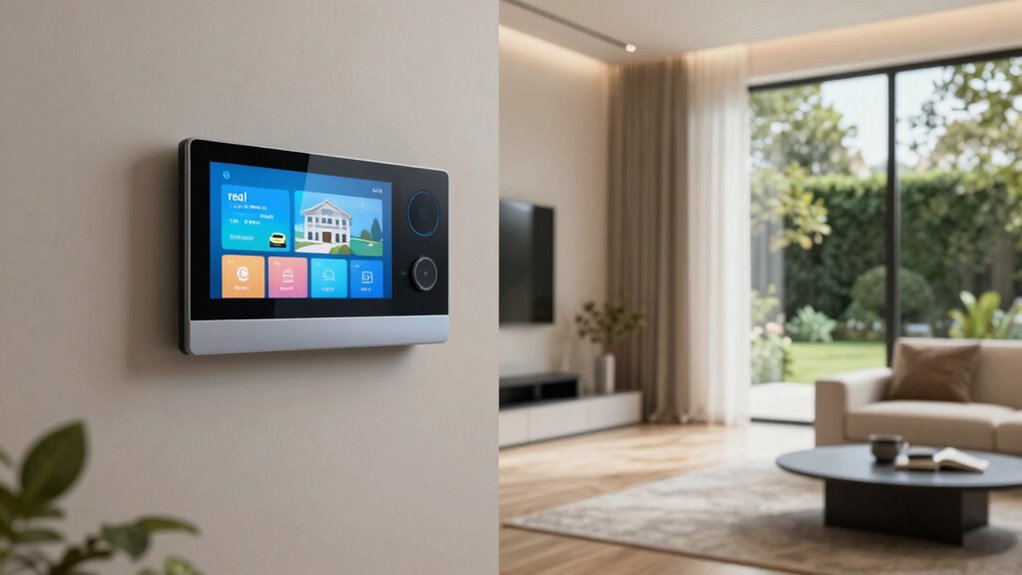
Have you ever wondered how smart home technology is transforming the way we own and manage our homes? It’s changing expectations in subtle but powerful ways, especially when it comes to energy efficiency and security systems. You might not realize it, but these innovations are shaping how you view your home’s value and your daily routines.
Smart technology allows you to optimize energy use seamlessly. With intelligent thermostats, you can set your heating and cooling systems to operate only when needed, reducing waste and lowering utility bills. This isn’t just about saving money; it’s about making your home more environmentally friendly. When you equip your house with smart energy systems, you begin to see your home less as a static property and more as an active participant in sustainable living. You become aware of how minor adjustments can lead to significant savings and reduced carbon footprint, aligning your homeownership experience with broader ecological concerns.
Security systems have also become more integrated and sophisticated. Instead of relying solely on traditional locks and alarm systems, you now have access to real-time monitoring via smart cameras, doorbell cameras, and connected alarm systems. You can check who’s at your door, *access* it remotely for visitors, or receive instant alerts if something unusual happens. This level of control and awareness shifts your expectations of home security from reactive to proactive. You no longer need to worry about whether you remembered to lock the front door; your smartphone does that for you, and you get peace of mind whether you’re at home or away.
These technological enhancements influence how you perceive your home’s safety and efficiency. They make your property more responsive to your lifestyle, giving you control over your environment at your fingertips. Additionally, as smart home technology becomes more widespread, it is increasingly viewed as an essential feature that can elevate the overall value of a property. The connected devices further enhance these benefits by enabling you to manage multiple aspects of your home through a single platform. This interconnectedness not only simplifies daily routines but also encourages a more eco-conscious approach to homeownership. As a result, you start expecting a home that’s smarter, safer, and more energy-conscious by default. This shift impacts your investment decisions too—properties equipped with advanced security systems and energy-efficient features tend to hold their value better and attract more interest from buyers.
Ultimately, these changes aren’t just about gadgets or convenience; they’re redefining what it means to own a home today. You’re no longer just buying a physical space—you’re investing in a connected, efficient, and secure environment that adapts to your needs. This evolution in homeownership expectations reflects a broader move toward smarter, more sustainable living, where technology plays a central role in making your home safer, more efficient, and aligned with your values.
smart thermostat for energy savings
As an affiliate, we earn on qualifying purchases.
As an affiliate, we earn on qualifying purchases.
Frequently Asked Questions
How Do Smart Homes Impact Property Value?
Smart homes boost property value by enhancing smart home aesthetics, making your property more attractive to buyers seeking modern features. They also appeal to tech-savvy buyers who prioritize convenience and energy efficiency. However, you need to guarantee user privacy by securing devices and data, which reassures potential buyers. Overall, a well-designed smart home can increase your home’s market value, offering a competitive edge in today’s real estate market.
Are Smart Home Features Cost-Effective Long-Term Investments?
Yes, smart home features are generally cost-effective long-term investments. They offer significant cost savings by reducing energy consumption through automation and efficient systems. Plus, they enhance user convenience, making daily tasks easier and more efficient. While upfront costs can be higher, the ongoing savings and added convenience often outweigh initial expenses over time, making smart home features a smart financial choice for homeowners seeking value and efficiency.
What Are Common Security Concerns With Smart Home Devices?
You should be aware that smart home devices often face security concerns like data privacy issues and hacking vulnerabilities. Cybercriminals can exploit weak passwords or unencrypted data transmissions to access your personal information or control your devices. To defend yourself, regularly update firmware, use strong, unique passwords, and enable two-factor authentication. Staying vigilant helps guarantee your smart home remains secure and your private data stays protected.
How Easy Is It to Upgrade or Expand Smart Home Systems?
Upgrading or expanding your smart home system is generally straightforward thanks to wireless integration and voice control. You can easily add new devices or upgrade existing ones without complex wiring. Many systems are compatible with voice assistants, making it simple to control and customize your setup. Just confirm your hub or platform supports these features, and you’ll find expanding your smart home both quick and hassle-free.
Do Smart Homes Reduce Overall Energy Consumption Significantly?
Smart homes act like a conductor in an orchestra, harmonizing your energy use for maximum efficiency. They can substantially cut energy consumption by optimizing heating, cooling, and lighting, leading to noticeable energy savings. With real-time data and automation, your home becomes more responsive, boosting utility efficiency. While it varies, many homeowners see a real difference, making your living space smarter and more eco-friendly.
As an affiliate, we earn on qualifying purchases.
Conclusion
Imagine stepping into a home where every corner hums with quiet intelligence, like a loyal guardian always watching over your comfort. As smart homes weave seamlessly into our lives, they reshape what we expect from homeownership—more than just four walls, but a living, breathing partner in daily life. Embrace this evolution, and you’ll find yourself in a future where your home intuitively responds to your needs, transforming the way you live and dream.
As an affiliate, we earn on qualifying purchases.
As an affiliate, we earn on qualifying purchases.
NFL season / tailgating Picks
team gear
As an affiliate, we earn on qualifying purchases.