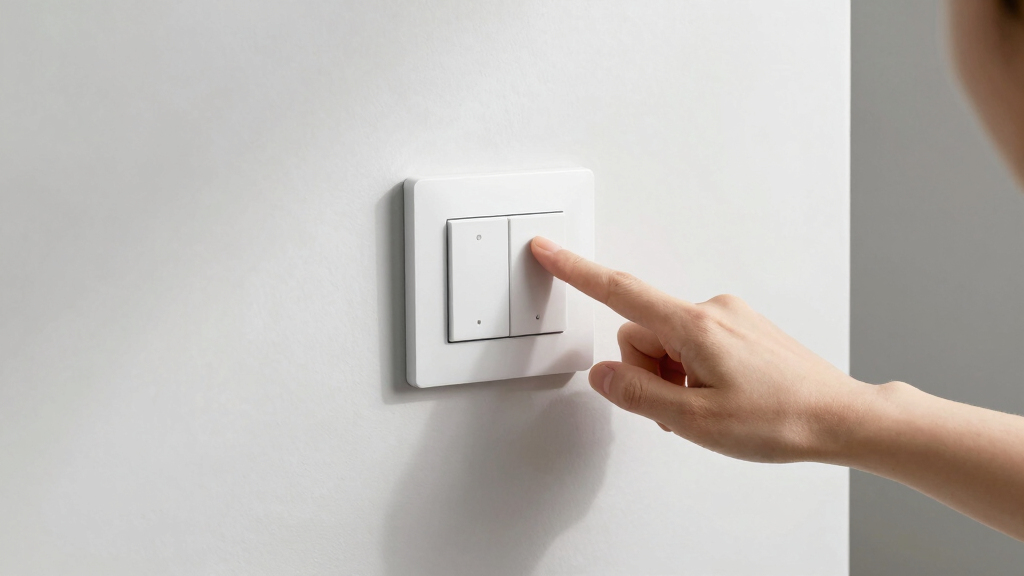
Finding the best smart 3 way switch can significantly enhance your home automation setup, but choosing the right model involves weighing compatibility, ease of installation, and features. The Kasa Smart 3-Way Dimmer Switch Kit stands out as the best overall for its reliable performance and versatile dimming options, while the TP-Link Tapo Smart Switch offers advanced features like energy monitoring for those seeking high tech control. For budget-conscious buyers, the Amazon Basics Smart Light Switch provides straightforward functionality without extra bells and whistles. Keep in mind, these switches vary in compatibility, wiring requirements, and smart home integration — all key factors that influence your decision. Continue reading for a detailed comparison and expert insights to help you make an informed choice.
Key Takeaways
- Top picks are distinguished by compatibility with multiple smart home platforms, especially Alexa and Google Assistant.
- Wiring requirements, such as needing a neutral wire, significantly impact ease of installation for different homes.
- Most premium options feature energy monitoring and advanced automation, but often come at a higher price.
- Dimming capabilities are common in the best switches, but not all models support 3-way setups without additional components.
- Reliability and certification (e.g., UL, ETL) are critical for long-term safe operation and seamless integration.


More Details on Our Top Picks
Kasa Smart 3-Way Dimmer Switch Kit, Dimmable Light Switch Compatible with Alexa, Google Assistant, and SmartThings, Neutral Wire Needed, 2.4GHz, ETL Certified, No Hub Required, White (KS230 KIT v2)
This Kasa Smart 3-Way Dimmer Switch Kit stands out for its seamless app-guided installation and versatile dimming capabilities, making it a top pick for those who want precise light control. Compared with the Amazon Basics switch, it offers dimming, which the Basics model lacks, but requires a neutral wire and a 2.4GHz Wi-Fi connection, which could be a hurdle for some users. The support for Alexa, Google Assistant, and SmartThings makes it highly compatible, though the dimming feature doesn’t work with all smart Wi-Fi bulbs. The setup is straightforward if wiring is familiar, but may demand an electrician otherwise. It excels for homeowners seeking customizable lighting with remote control, especially in multi-light setups where dimming adds ambiance. However, if you lack a neutral wire, this switch isn’t suitable. Overall, this pick delivers flexible lighting control with advanced features, perfect for tech-savvy users.
Pros:- Supports dimming of incandescent and LED bulbs for ambiance control
- Easy app-guided setup with scheduling options
- Compatible with Alexa, Google Assistant, and SmartThings
- No hub required, reducing setup complexity
Cons:- Requires neutral wire and 2.4GHz Wi-Fi, limiting compatibility with some homes
- Dimming does not support all smart Wi-Fi bulbs, potentially limiting functionality
Best for: Homeowners who want advanced dimming features and remote control integration.
Not ideal for: Renters or those without neutral wiring, as installation may be complex or require electrical work.
- Operation Mode:ON-OFF
- Operating Voltage:120 Volts (AC)
- Circuit Type:3-way
- Control Method:Touch, App
- Connectivity Protocol:Wi-Fi, 2.4GHz
- Wattage:300 watts
Bottom line: This dimmable switch is ideal for users seeking customizable lighting with remote control, but wiring constraints may limit its use.
GHome Smart Switch 3-Way Wi-Fi Light Switch Compatible with Alexa and Google Home (2-Pack)
The GHome Smart Switch 3-Way pack is designed for straightforward installation, especially appealing to users who want reliable remote control from multiple locations. Compared with the Kasa Dimmer Kit, this switch doesn’t support dimming but offers simple on/off control and scheduling, making it suitable for those who prioritize ease of use over ambiance customization. Its neutral wire requirement and compatibility with Alexa and Google Assistant make it a solid choice for standard lighting setups. However, it doesn’t work with smart bulbs, unlike some dimmer models, and it’s limited to 2.4GHz Wi-Fi, which could affect connectivity in congested networks. This product makes sense for households that need reliable remote control for multiple switches without the hassle of dimming features. If dimming isn’t a priority, this switch simplifies smart lighting control at a good value. It’s a dependable, no-fuss option for multi-location smart control.
Pros:- Supports remote control and scheduling via app
- Compatible with Alexa and Google Assistant
- Easy to install with neutral wire requirement
- Ideal for multi-way and single-pole wiring
Cons:- No dimming support, limiting ambiance options
- Requires 2.4GHz Wi-Fi, which may be congested in some homes
- Cannot control smart bulbs directly
Best for: Families seeking reliable remote control for multiple switches with straightforward installation.
Not ideal for: Users wanting dimming capabilities or compatibility with smart bulbs, as this model offers only on/off functionality.
- Voltage:120V/60Hz
- Current:15A Max
- Wi-Fi Frequency:2.4GHz
- Compatibility:Alexa, Google Assistant
- Number of Packs:2
Bottom line: This switch is perfect for those wanting simple, reliable remote control in multi-switch setups without dimming features.
Amazon Basics Smart Light Switch, 3-Way, Works with Alexa, No Hub Required, White
The Amazon Basics 3-Way Smart Light Switch offers a simple, no-fuss upgrade for Alexa users looking to add remote control and scheduling to existing lighting. Compared with the GHome switch, it’s easier to set up thanks to guided instructions and doesn’t require a hub, making it accessible for beginners. However, its Alexa-only compatibility limits flexibility compared to more universal options like the Kasa or Tapo switches. It’s ideal for those who prioritize straightforward Alexa voice commands and basic remote control, but it won’t suit homes with other voice assistants or smart home ecosystems. Its reliance on 2.4 GHz Wi-Fi aligns with other basic models but might restrict performance if your network is congested. Overall, this switch makes a smart upgrade for Alexa-centric homes seeking simplicity and reliable operation without extras like dimming or multi-platform support.
Pros:- Simple guided installation process
- No hub required, quick setup
- Supports scheduling and voice control via Alexa
- Affordable price point
Cons:- Limited to Alexa compatibility, less versatile
- Only supports on/off functions, no dimming
- Requires 2.4GHz Wi-Fi, possibly congested in busy networks
Best for: First-time smart home users and Alexa enthusiasts seeking an easy, affordable upgrade.
Not ideal for: Homes with multiple voice assistants or those wanting dimming features, as the switch only supports Alexa and basic on/off control.
- Compatibility:Alexa
- Connectivity:Wi-Fi 2.4 GHz
- Hub Required:No
- Switch Type:3-Way
- Color:White
Bottom line: This Amazon Basics switch is a solid choice for Alexa-only users seeking an easy upgrade with remote control capabilities.
TREATLIFE 3-Way Smart WiFi Light Switch (4 Pack)
This TREATLIFE switch stands out for its straightforward installation process and broad compatibility with Alexa, Google Assistant, and SmartThings, making it a strong choice for those seeking a hassle-free setup. Unlike the TP-Link Tapo S515, which offers additional energy monitoring features, this switch focuses on simplicity and user-friendliness. However, it does not support dimming, which might be a drawback for users wanting adjustable lighting. It operates solely on 2.4GHz Wi-Fi and requires a neutral wire, limiting its use in some older homes. Its push-button actuator and included wall plates provide a clean look, but the absence of dimming could be a tradeoff for easier installation and reliable voice control.
Pros:- Simple to install with clear instructions
- Works seamlessly with popular voice assistants
- Includes wall plates for a tidy appearance
- Supports remote control and scheduling
Cons:- Requires neutral wire for installation
- Does not support dimming functions
- Limited to 2.4GHz Wi-Fi networks
Best for: Homeowners who prioritize ease of installation and reliable voice control in a 3-way setup
Not ideal for: Users wanting dimming capabilities or those with older wiring lacking a neutral wire
- Operation Mode:ON-OFF-ON
- Current Rating:10 Amps
- Operating Voltage:120 Volts
- Control Method:Remote, App
- Connectivity Protocol:Wi-Fi
- Max Power:1250W
- Neutral Wire Required:Yes
- Wi-Fi Frequency:2.4GHz
Bottom line: This switch is ideal for those seeking a straightforward, reliable 3-way smart switch without dimming features.
Kasa Smart 3-Way Wi-Fi Light Switch Kit, Neutral Wire Required, Works with Alexa & Google, UL Certified, White, 2 Pack
The Kasa Smart kit offers an easy-to-install solution with comprehensive app guidance, making it well-suited for those new to smart switches. Compared with the TP-Link Tapo S515, which emphasizes energy monitoring, this kit is more focused on straightforward remote control and voice compatibility. Its UL certification adds an extra layer of safety reassurance. The need for a neutral wire limits its use in older homes without proper wiring, and the reliance on 2.4GHz Wi-Fi can be a drawback in crowded networks. While setup is simple for those familiar with wiring, some may find the process challenging without electrical experience.
Pros:- Simple app-guided installation
- Compatible with Alexa and Google Assistant
- UL safety certification
- Supports scheduling and away mode
Cons:- Requires neutral wire for installation
- Limited to 2.4 GHz Wi-Fi
- May require professional wiring assistance
Best for: First-time smart switch buyers who want safety-certified, easy-to-install options with app and voice control
Not ideal for: Homeowners with older wiring lacking a neutral wire or those seeking advanced energy monitoring features
- Connectivity:Wi-Fi 2.4GHz
- Compatibility:Alexa, Google
- Wiring:Neutral wire required
- Certification:UL
Bottom line: This kit is perfect for consumers prioritizing safety, easy setup, and reliable voice control in a 3-way configuration.
TP-Link Tapo Smart Switch, Single-Pole/3-Way/4-Way, Matter Compatible, Energy Monitoring, Neutral Wire Required, Works with Alexa, Siri, Google Home, SmartThings, UL Certified, 2.4GHz Wi-Fi, Tapo S515
The Tapo S515 excels in flexibility, supporting multiple wiring configurations including 3-way and 4-way setups, setting it apart from more basic switches like the Kasa HS210. Its energy monitoring feature appeals to those wanting to track and reduce electricity use. Unlike the TREATLIFE switch, which lacks energy metrics, this model provides detailed insights. However, setup can be complex, especially for those unfamiliar with electrical wiring, and it requires a neutral wire. Its operation solely on 2.4GHz Wi-Fi could pose connectivity issues in busy networks, but its Matter compatibility future-proofs its integration.
Pros:- Supports multiple wiring configurations including 3- and 4-way
- Includes energy monitoring capabilities
- Compatible with Matter, Alexa, Siri, Google, SmartThings
- UL, FCC, RoHS certified
Cons:- Requires neutral wire for installation
- Setup may require electrical expertise
- Limited to 2.4GHz Wi-Fi networks
Best for: Tech-savvy homeowners seeking versatile wiring options and energy monitoring features
Not ideal for: Less experienced users or homes without neutral wiring, since installation may be challenging
- Model:Tapo S515
- Type:Smart Light Switch
- Configuration:Single-Pole/3-Way/4-Way
- Compatibility:Matter, Alexa, Siri, Google, SmartThings
- Wiring:Neutral wire required
- Maximum Load:15A / 600W
Bottom line: Best suited for users who want a highly versatile switch with energy insights and broad platform compatibility.
Kasa Smart 3-Way Wi-Fi Light Switch HS210, Requires Neutral Wire, Works with Alexa & Google Home, UL Certified, No Hub Needed, White
The Kasa HS210 offers an uncomplicated solution for 3-way setups, with straightforward installation and reliable voice control. Compared to the TREATLIFE switch, which emphasizes remote operation, the HS210 emphasizes ease of use with a step-by-step app setup. It’s UL certified, providing peace of mind on safety standards. However, its reliance on a neutral wire limits its application in older homes, and setup might be challenging for those unfamiliar with electrical wiring. Its operation on 2.4GHz Wi-Fi is standard but can be a limiting factor in congested networks.
Pros:- Easy installation with app guidance
- Supports remote and voice control
- UL certified for safety
- No hub required
Cons:- Requires neutral wire for installation
- Limited to 2.4 GHz Wi-Fi
- Setup can be complicated for electrical novices
Best for: Homeowners seeking an easy-to-install, safety-certified 3-way switch for common wiring configurations
Not ideal for: Homes without neutral wiring or users seeking dimming features
- Operation Mode:ON-OFF-ON
- Current Rating:15 Amps
- Operating Voltage:120V
- Control Method:Remote, Voice
- Connectivity Protocol:Wi-Fi
- Neutral Wire Required:Yes
Bottom line: Ideal for users wanting a straightforward, UL-certified 3-way switch without the need for a hub.
Leviton Decora Smart Wi-Fi 2nd Gen Switch (D215S-1RW), Neutral Wire Required, Works with Matter, Alexa, Google Assistant, Apple Home/Siri, White
The Leviton Decora Smart Wi-Fi 2nd Gen Switch stands out for its broad compatibility, supporting Alexa, Google Assistant, Apple Siri, and Matter, making it a flexible choice for diverse smart home setups. Unlike the Kasa Smart 3-Way Wi-Fi Switch, which is limited in platform support, this switch seamlessly integrates with multiple ecosystems, providing a unified control experience. Its support for scheduling, auto-shutoff, and remote control enhances convenience, especially for those who want automation without complex hub setups. However, it does require a neutral wire, which can limit installation options in older homes, and its 15A capacity might not suit high-demand appliances. Additionally, firmware updates are needed to enable Matter support, which could delay the full feature set initially. This switch makes the most sense for users seeking extensive platform compatibility and reliable voice control.
Pros:- Supports Alexa, Google Assistant, Apple Siri, and Matter for maximum flexibility
- Easy to install with clear instructions and no hub required
- Features scheduling, auto-shutoff, and remote control for added convenience
Cons:- Requires a neutral wire, limiting compatibility with some older wiring systems
- Firmware update needed for Matter support, potentially delaying full functionality
- Limited to 15A maximum load, which may not suit heavy-duty appliances
Best for: Homeowners with diverse smart home ecosystems who prioritize multi-platform voice control and scheduling
Not ideal for: Users with older wiring setups lacking a neutral wire or those needing higher load capacity for heavy appliances
- Model:D215S-1RW
- Color:White
- Maximum Load:15A, 3/4 HP
- Compatibility:Alexa, Google Assistant, Apple Home/Siri, SmartThings, Sonos, Resideo
- Connectivity:Wi-Fi 2.4 GHz
- Features:Schedule, voice control, auto-shutoff, remote control, 3-way support
- Installation:Requires neutral wire, guided setup
Bottom line: This switch is ideal for users seeking a highly compatible, voice-controlled smart switch with automation features, provided their home wiring supports it.

How We Picked
The products in this roundup were selected based on their compatibility with common smart home ecosystems, ease of installation, build quality, and feature set. Priority was given to models that support 3-way wiring configurations, as this is essential for most home setups. We also evaluated user reviews for reliability, and checked for certifications like UL and ETL to ensure safety. Cost was a factor, but more weight was given to versatility and future-proof features such as voice assistant compatibility and energy monitoring. The ranking reflects a balance of performance, value, and ease of use for a broad range of consumers.Factors to Consider When Choosing Best Smart 3 Way Switch
Choosing the best smart 3 way switch involves considering several key factors beyond basic features. First, compatibility with your existing smart home system is essential; some switches work better with Alexa, Google, or Apple devices, so matching your ecosystem can ensure seamless operation. Wiring requirements vary, especially the need for a neutral wire, which can complicate installation in older homes. Dimming capability adds convenience but can also increase costs or limit compatibility. Think about future needs: energy monitoring or automation features can elevate your smart home experience but may come with higher price tags. Lastly, certification labels like UL and ETL provide peace of mind regarding safety and reliability.Compatibility and Ecosystem
Ensuring your smart switch works with your existing smart home system is critical. Some switches are compatible only with Alexa or Google Assistant, while others support multiple platforms, including Apple HomeKit. Compatibility issues can lead to integration headaches, so verify that your preferred voice assistant or hub is supported before buying. Also, check whether the switch supports your Wi-Fi standards, typically 2.4GHz or dual-band, to avoid connectivity problems. Choosing a switch with broad compatibility simplifies future upgrades and additional device integrations.
Wiring and Installation
Wiring requirements are often overlooked but can significantly influence installation ease. Many smart switches require a neutral wire, which older homes may lack, complicating setup. Some models are designed specifically for homes without neutral wiring, but they might lack certain features like dimming. If you’re comfortable with basic electrical work, a switch requiring neutral wires offers more flexibility and functionality. Otherwise, selecting a model that explicitly states it works without a neutral wire can save time and reduce installation costs.
Features and Automation
Beyond basic on/off control, consider features such as dimming, scene setting, and scheduling. Dimming support enhances ambiance but can sometimes be limited in multi-way configurations. Energy monitoring features provide insights into power consumption, which is useful for eco-conscious users. Automation capabilities, like reacting to sunrise/sunset or motion detection, add convenience but might require additional hub compatibility. Prioritize features that align with your lifestyle and smart home goals to maximize value.
Price and Value
Smart switches range from budget-friendly options to premium models loaded with features. Lower-cost switches often sacrifice some compatibility or advanced functionalities, but they can be perfect for basic needs. Investing in a higher-priced switch might be worthwhile for better build quality, reliability, and future-proof features like Matter support. Balance your budget with your desired capabilities, and remember that spending more upfront can reduce frustrations and replacements later.
Safety and Certification
Always check for safety certifications such as UL or ETL. These labels indicate the product has met safety standards, reducing risks of electrical faults or fires. Well-certified switches tend to be more reliable and are less likely to fail prematurely. Additionally, proper installation following manufacturer instructions is vital, especially for 3-way configurations where wiring can be complex. Prioritizing safety certifications ensures your smart switch performs reliably over time without hazards.
Frequently Asked Questions
Do I need a neutral wire for a smart 3 way switch?
Many smart 3 way switches require a neutral wire to function properly, especially those with dimming or energy monitoring features. If your home lacks a neutral wire in the switch box, you’ll need to select a model designed for no-neutral installation, which might have limited features. Checking your existing wiring before purchasing can prevent compatibility issues and installation delays. Some newer models are specifically engineered to work without neutral wires, making them suitable for older homes.
Can I install a smart 3 way switch myself?
Installing a smart 3 way switch is doable for those comfortable with basic electrical work, but it can be complex due to the wiring involved. It’s important to follow manufacturer instructions carefully and turn off power at the circuit breaker before starting. If you’re unsure about wiring or local electrical codes, hiring a professional electrician is a safer choice. Proper installation ensures reliable operation and reduces the risk of electrical hazards.
Will a smart 3 way switch work with my existing smart home system?
Most smart 3 way switches are compatible with popular systems like Alexa, Google Assistant, or Apple HomeKit, but compatibility varies by model. Always verify the product details to confirm support for your preferred ecosystem. Some switches also support multiple platforms simultaneously, which can simplify control through different apps or voice commands. Checking the manufacturer’s specifications and user reviews can provide insights into real-world compatibility and ease of integration.
Are dimmer features reliable on smart 3 way switches?
Dimming functionality on smart switches can sometimes be limited or inconsistent, especially in multi-way setups. Quality switches with dedicated dimming circuitry generally offer smoother, flicker-free dimming, but cheaper models may flicker or fail to dim certain types of bulbs. It’s important to match the switch with compatible bulbs and verify that the dimming feature works well in your specific wiring configuration. Reading user reviews can reveal common issues and help set expectations.
How does energy monitoring impact the cost of a smart switch?
Energy monitoring features add to the cost of a smart switch but can provide valuable insights into your power usage, potentially saving money over time. These features are especially useful if you want to track energy consumption of individual lights or appliances. Keep in mind that not all energy monitoring switches are compatible with every smart home system, so verify integration before purchase. The added cost may be justified if you’re interested in optimizing energy efficiency or monitoring costs closely.
Conclusion
For most homeowners seeking a reliable, all-around smart 3 way switch, the Kasa Smart 3-Way Dimmer Switch Kit offers a great balance of features, ease of installation, and compatibility. Budget-conscious buyers will find the Amazon Basics Smart Light Switch a straightforward choice, while those wanting advanced automation and energy monitoring will appreciate the TP-Link Tapo Smart Switch. For premium setups, the Leviton Decora Smart Wi-Fi Switch provides the latest in connectivity and safety standards. If you’re new to smart switches, start with a model that doesn’t require neutral wiring and supports your preferred voice assistant. Overall, matching your specific home wiring, ecosystem, and feature needs will lead to the best long-term satisfaction.