
TL;DR
This article compares mesh Wi-Fi systems and range extenders, explaining their strengths, weaknesses, and ideal use cases. It helps consumers decide which solution fits their coverage needs and budget.
Consumers seeking to improve their home Wi-Fi coverage face a choice between mesh Wi-Fi systems and range extenders. Mesh Wi-Fi systems often provide more reliable coverage. While both aim to expand network reach, they differ significantly in performance, setup, and cost, making understanding these differences crucial for making an informed decision.

Get home appliances delivered free with Prime
- Fast, free delivery on millions of items
- Prime Video, Amazon Music and more included
- Member-only deals all year
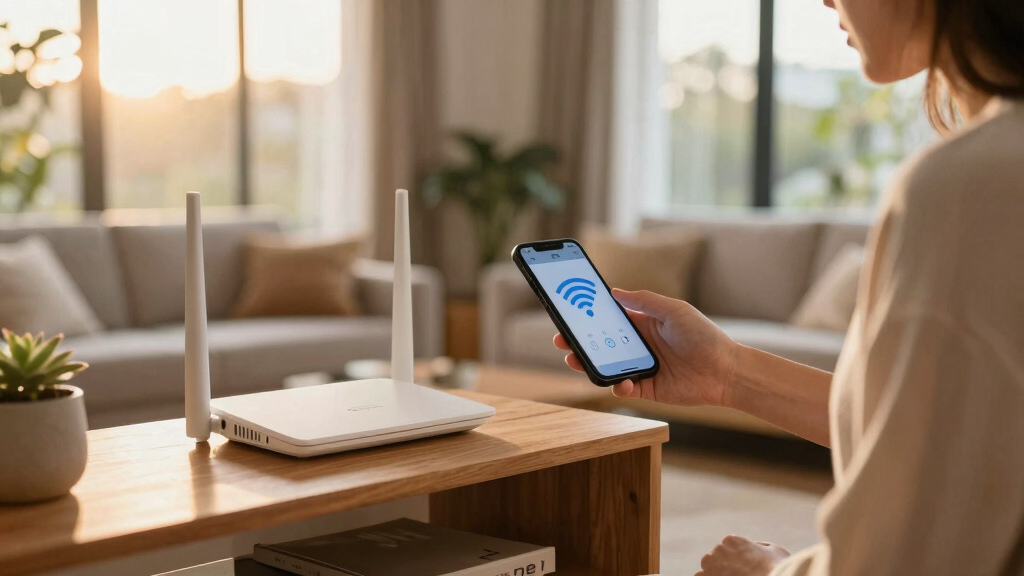
Wi-Fi extenders are inexpensive devices that rebroadcast your existing router’s signal, typically filling specific dead spots such as garages or patios. They are easy to set up but can suffer from reduced bandwidth and inconsistent performance, especially over larger areas or multiple floors. Extenders often create a separate network, requiring users to reconnect manually when switching between networks.
Mesh Wi-Fi systems, on the other hand, involve replacing your router with a central hub and adding satellite nodes that distribute Wi-Fi evenly throughout a home. They automatically route devices to the strongest signal, eliminate dead zones, and provide seamless coverage across multiple floors. While more expensive and complex to initially set up, mesh networks are scalable and deliver consistent, high-speed internet over larger areas. If you’re considering upgrading, check out our guide on best mesh Wi-Fi systems for 2026.
According to experts, the choice depends heavily on the size of the space, the number of devices, and budget constraints. For more tips, see our article on solar tax credits and energy savings. Smaller apartments or single-room setups might benefit from extenders, while larger homes or those with multiple floors often require a mesh system for reliable coverage.
Why Choosing the Right Wi-Fi Solution Matters for Your Home
Understanding the differences between mesh Wi-Fi and range extenders is essential because it impacts your internet experience, especially with increasing reliance on high-bandwidth activities like streaming, gaming, and remote work. An ill-suited solution can lead to persistent dead zones, slow speeds, and frustration, affecting daily productivity and entertainment. Making an informed choice can optimize your network performance, save money, and reduce setup hassle.
Products Worth Considering

Bose SoundLink Max Portable Bluetooth Speaker, IP67 Waterproof, Black

Samsung 37-inch Odyssey G7 Curved 4K UHD Gaming Monitor (G75F)

Logitech MX Master 4 Ergonomic Wireless Mouse with Haptic Feedback, Graphite
As an affiliate, we earn on qualifying purchases.
Home Wi-Fi Expansion Methods and Consumer Choices
As Wi-Fi usage grows, so does the complexity of maintaining reliable coverage in larger or multi-story homes. Traditionally, Wi-Fi extenders gained popularity for their affordability and simplicity, but their limitations prompted the rise of mesh systems. Recent market trends show increasing consumer adoption of mesh networks, driven by improved performance and ease of use, despite higher costs. Experts note that the decision often hinges on home size, device density, and user expectations.
“Wi-Fi extenders are suitable for filling specific dead spots but are less effective for large-scale coverage due to bandwidth and performance issues.”
— an anonymous researcher
Unanswered Questions About Long-Term Performance and Cost
It is still unclear how the long-term reliability and scalability of mesh Wi-Fi systems compare to traditional extenders in various home environments. Additionally, the actual costs for expanding mesh networks with additional nodes can vary, and user experiences with setup complexity may differ. More data is needed on how these systems perform over time and in different real-world scenarios.
Next Steps for Consumers Considering Wi-Fi Upgrades
Consumers should evaluate their home layout, device needs, and budget before choosing a solution. Experts recommend testing existing setups, consulting product reviews, and considering future expansion plans. Manufacturers are expected to introduce more affordable mesh options, which could influence market dynamics and consumer choices in the coming months.
Key Questions
Which is more cost-effective, a range extender or a mesh Wi-Fi system?
Range extenders are generally cheaper upfront, making them suitable for small-scale coverage. Mesh Wi-Fi systems are more expensive but provide better performance and scalability for larger spaces, potentially offering better value over time.
Can I use both a range extender and a mesh system together?
While technically possible, combining both can sometimes cause interference or network issues. It is usually better to choose one solution based on your coverage needs.
How difficult is it to set up a mesh Wi-Fi system?
Most modern mesh systems are designed for easy setup via smartphone apps, but initial configuration can be more involved than plugging in a range extender. Manufacturers often provide step-by-step instructions to simplify the process.
Will a mesh Wi-Fi network improve my internet speed?
Yes, when properly configured, mesh networks can deliver faster and more consistent speeds across your entire home compared to extenders, especially in larger spaces.
Are mesh Wi-Fi systems worth the investment for small apartments?
For small, single-room or studio apartments, extenders or simple routers usually suffice. Mesh systems are more justified in larger or multi-floor homes requiring extensive coverage.
Source: Engadget