
TL;DR

Get home appliances delivered free with Prime
- Fast, free delivery on millions of items
- Prime Video, Amazon Music and more included
- Member-only deals all year
Anthropic’s Cat Wu states that future AI systems will proactively anticipate user needs before they are explicitly expressed. This vision was shared at the recent Code with Claude conference and highlights a shift toward more autonomous, proactive AI. The development aims to improve productivity and user experience but remains in the conceptual stage.
Anthropic’s head of product, Cat Wu, announced that future AI systems will be capable of anticipating user needs before they are explicitly expressed, marking a significant evolution in AI capabilities.
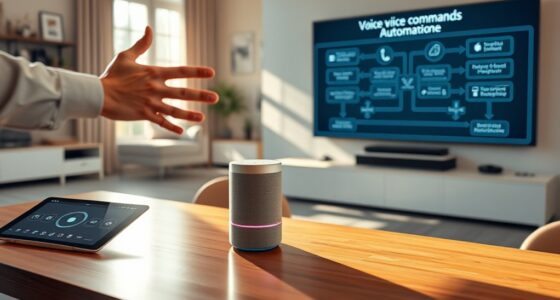
During the second annual Code with Claude conference in San Francisco, Wu outlined her vision for AI becoming more proactive, predicting user requirements and automating tasks before users request them. She emphasized that this shift aims to enhance productivity and user experience, moving beyond reactive assistance to anticipatory support.
Wu explained that this future involves AI understanding user routines and context, enabling it to set up automations, respond to inquiries, and perform tasks proactively. She highlighted that this development is part of Anthropic’s broader strategy to stay at the frontier of AI innovation, focusing on safe and beneficial deployment.
Why It Matters
This development could radically change how individuals and organizations interact with AI, reducing tedious tasks and increasing efficiency. It signals a move toward more autonomous AI systems that could handle complex routines, potentially transforming workplaces and everyday life. However, this also raises questions about privacy, control, and the ethical implications of proactive AI behavior.
As an affiliate, we earn on qualifying purchases.
Background
Anthropic has been rapidly advancing its AI models, releasing multiple versions this year and gaining market share among business users. The company’s focus on safety and responsible deployment distinguishes its approach from competitors. Wu’s comments reflect a broader industry trend toward proactive, autonomous AI, building on previous discussions about AI’s evolving role in work and daily activities.
“The next step is that Claude understands what you work on, and just sets up some of these automations for you.”
— Cat Wu
“We just need to stay at this frontier. We don’t think about competitors.”
— Cat Wu
As an affiliate, we earn on qualifying purchases.
What Remains Unclear
Details about the technical feasibility, implementation timeline, and potential privacy safeguards for proactive AI are still developing. It remains unclear when such features will be available to the public or how they will be integrated into existing products.
As an affiliate, we earn on qualifying purchases.
What’s Next
Anthropic plans to continue refining its models and exploring proactive capabilities, with future releases likely to include more autonomous features. Industry observers will watch for announcements on pilot programs or product updates that demonstrate these capabilities in real-world settings.
As an affiliate, we earn on qualifying purchases.
Key Questions
When might proactive AI features become available to users?
It is not yet clear when these features will be publicly released. Anthropic is still in the development and testing phases.
What are the potential privacy concerns with proactive AI?
Proactive AI would require understanding user routines and context, raising questions about data privacy, consent, and control. These issues are likely to be addressed as the technology develops.
How will proactive AI change the workplace?
It could automate routine tasks, improve efficiency, and reduce workload, but also require new skills for managing autonomous agents and understanding AI decision-making.
NFL season / tailgating Picks
team gear
As an affiliate, we earn on qualifying purchases.