
Room-by-room planning helps you make smarter, targeted purchases that suit each space’s specific needs, avoiding impulse buys and clutter. By considering layout, lighting, and function, you guarantee every device fits seamlessly and adds value. This approach keeps your budget in check and reduces waste, creating a more cohesive and inviting home. If you keep exploring, you’ll discover how a strategic, organized approach can transform your entire living space effortlessly.
Key Takeaways
- Ensures devices meet specific room needs, increasing functionality and comfort.
- Prevents unnecessary purchases and clutter, saving money and reducing waste.
- Creates a cohesive design by considering layout, flow, and lighting for each space.
- Facilitates better budget management and sustainable choices aligned with room priorities.
- Promotes strategic decision-making, avoiding buyer’s remorse and optimizing home organization.
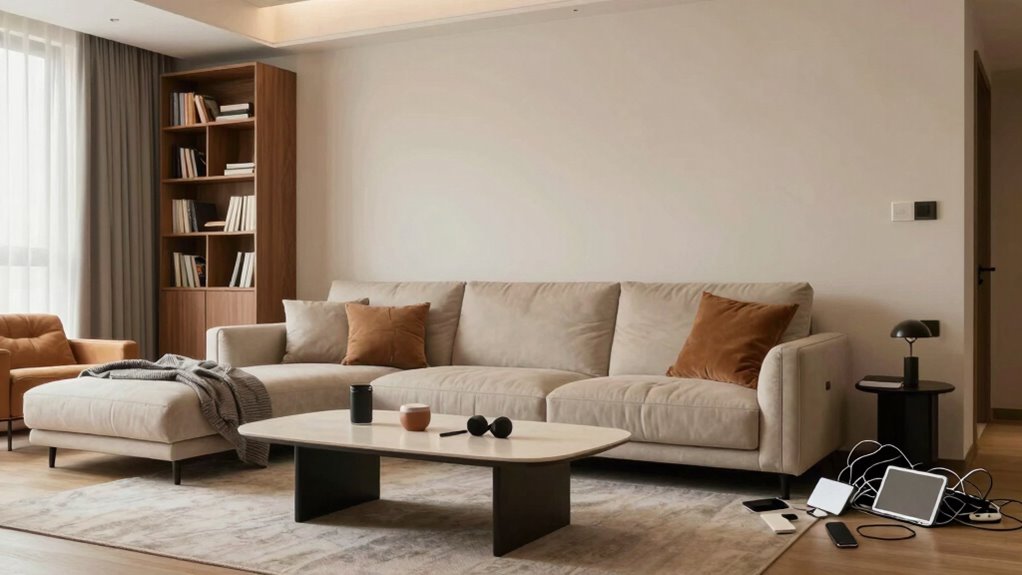
Are you overwhelmed by the prospect of organizing your entire home? It’s easy to feel lost when faced with the endless stream of devices and gadgets promising to “transform” your space. Instead of rushing to buy everything at once, adopting a room-by-room planning approach helps you make smarter decisions. When you focus on each room individually, you can set a smart budget that aligns with your actual needs and avoid impulse purchases. This targeted approach ensures each device contributes meaningfully to your space. Planning each room thoughtfully ensures that every device you buy contributes to an overall cohesive and functional environment, rather than creating chaos from random, uncoordinated additions.
Focusing on one room at a time helps you budget wisely and create a cohesive, functional home.
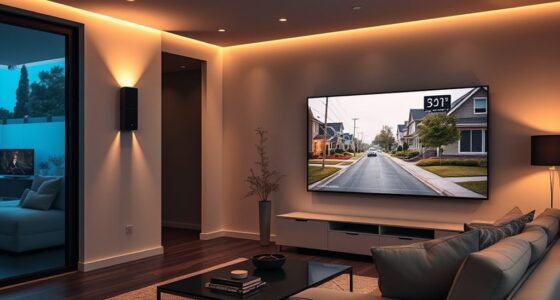
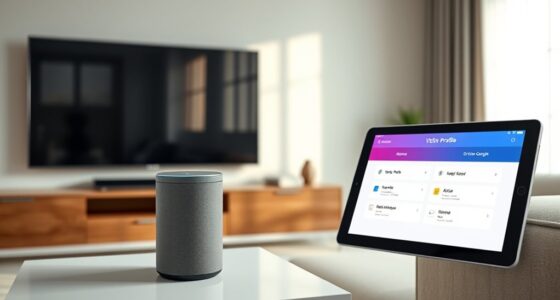
Thinking room-by-room also allows you to design an ideal layout that maximizes your space’s potential. You can consider the flow of movement, natural lighting, and storage options, ensuring each device fits seamlessly into your environment. Instead of buying devices that may not suit the room’s size or purpose, you make targeted purchases that enhance usability and comfort. For example, in the living room, you might prioritize a smart TV and a sound system, while in the kitchen, a smart speaker or appliance adds convenience. Tackling each room individually saves you from the mistake of overbuying, which often leads to a cluttered, inefficient home. Incorporating a sustainable approach to device selection can also help reduce environmental impact and promote eco-friendly living.
Breaking down your planning process into manageable steps also helps you stay organized and focused. You can assess what you already have, identify gaps, and make a list of devices that truly improve your daily life. This careful approach reduces waste and ensures your investments are meaningful. Additionally, it helps you avoid buyer’s remorse, since each purchase is deliberate and well thought out. When you plan room-by-room, you create a clear roadmap for gradually transforming your home, which feels less overwhelming than tackling every room at once.
Ultimately, room-by-room planning puts you in control of your home’s evolution. It encourages strategic thinking, prioritizes your needs, and respects your budget. Instead of falling into the trap of random device buying, you develop a cohesive, comfortable space that meets your lifestyle. This method not only saves you money but also turns the intimidating task of home organization into a series of achievable steps, giving you confidence every time you make a purchase. By focusing on each room’s unique needs, you craft a home that’s both functional and inviting, all while staying within your smart budget and creating an ideal layout. Recognizing the importance of home organization can help ensure your efforts are effective and sustainable.

Smart Home Starter Kit | Includes Echo Hub, Amazon Smart Plug and 4 Amazon Basics Smart Bulbs, Designed for Alexa+
- Easy smart home setup: Quick guided setup for beginners
- Simple installation: Unbox, plug in, and tap to start
- Versatile Echo Hub: Connects with thousands of smart devices
As an affiliate, we earn on qualifying purchases.
As an affiliate, we earn on qualifying purchases.
Frequently Asked Questions
How Do I Start a Room-By-Room Planning Process?
Start your room-by-room planning by evaluating each space’s needs and considering device compatibility. Set a clear budget allocation for each room, prioritizing essential devices first. Measure the space to guarantee devices fit properly. Research options that match your needs and budget, then create a step-by-step plan for installation. This approach helps you avoid overspending and ensures seamless integration, making your smart home both functional and efficient.
What Tools Can Help With Detailed Room Planning?
Think of it like Da Vinci’s sketches—detailed, precise, and strategic. Use home design apps like SketchUp or Roomstyler to visualize layouts, ensuring device compatibility and ideal space use. Budget allocation tools like Mint or YNAB help you track costs, avoiding surprises. These tools guide your decisions, keeping your room plans aligned with your financial goals and ensuring every device fits seamlessly into your space.
How Do I Prioritize Devices for Each Room?
You should prioritize devices based on each room’s function and your smart home integration goals. Start with essential devices that offer broad compatibility, ensuring they work seamlessly together. Consider how each device enhances your daily routines, and pick those compatible with your existing or planned smart home system. By focusing on device compatibility and room-specific needs, you create a cohesive, efficient smart home that’s easy to manage and expand over time.
What Are Common Mistakes in Room-Specific Device Planning?
Think of room-specific device planning like tuning an orchestra—you need every instrument in harmony. A common mistake is overlooking device compatibility, leading to tech that doesn’t work together. Another pitfall is poor budget allocation, causing you to overspend on gadgets you don’t need. By carefully evaluating each room’s needs, you guarantee devices fit seamlessly, creating a balanced, efficient setup that maximizes your investment and smooths your smart home experience.
How Often Should I Review and Update My Room Plans?
You should review and update your room plans at least once a year, especially as your smart home integration evolves. Regular check-ins help you optimize budget allocation, ensuring you’re investing in the right devices and features. Additionally, consider updating plans after major changes like renovations or new tech releases. Staying proactive keeps your smart home efficient, secure, and aligned with your lifestyle, preventing unnecessary spending or outdated setups.

Honeywell Home T9 WiFi Smart Thermostat with 1 Smart Room Sensor, Touchscreen Display, White
- Energy Saving Control: Adjust from anywhere, auto scheduling
- Rebate and Utility Programs: Eligible for rebates and demand response
- Room-Specific Temperature: Set and automate room comfort
As an affiliate, we earn on qualifying purchases.
As an affiliate, we earn on qualifying purchases.
Conclusion
Think of your home as a well-orchestrated symphony, where each instrument—room—plays its part in harmony. Randomly buying devices is like adding random notes, creating chaos instead of melody. By planning room-by-room, you’re composing a masterpiece, ensuring every device fits perfectly and enhances the whole. When you approach your home with purpose, you craft a space that sings with efficiency and comfort, turning chaos into a beautiful, cohesive symphony.
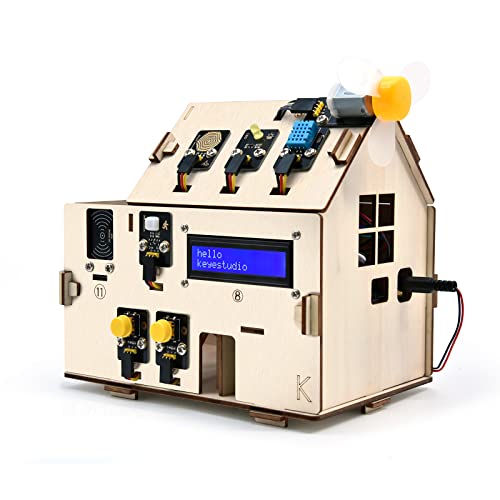
KEYESTUDIO IOT ESP32 Smart Home Starter Kit for Arduino and Python,Electronics Home Automation Coding Kit, Wooden House DIY Sensor Kit,STEM Educational Set for Adults Teens 15+
- Progressive Project-Based Learning: Build 13 smart home projects step-by-step
- Learn Arduino C++ and MicroPython: Master two industry-standard programming languages
- Create WiFi-Controlled Smart Home: Build and control a wooden smart home with mobile app
As an affiliate, we earn on qualifying purchases.
As an affiliate, we earn on qualifying purchases.

𝟐𝟎𝟐𝟔 𝐔𝐩𝐠𝐫𝐚𝐝𝐞𝐝 Magnetic Toothpaste Squeezer, Tube Squeezer Bathroom and Kitchen Gadgets for Various Tube-Based Cosmetics and Sauces, Home and Apartment Essentials by So Nice
- Easy to Use: Magnetic base for simple removal and storage
- Hassle-Free Cleaning: Dishwasher-safe and water washable
- Fits Wide Tubes: Accommodates tubes up to 2.9 inches wide
As an affiliate, we earn on qualifying purchases.
As an affiliate, we earn on qualifying purchases.