
TL;DR

Get home appliances delivered free — and shop member deals
- Fast, free delivery on millions of items
- Access to Prime Big Deal Days deals on October 6–7
- Prime Video, Amazon Music and more included
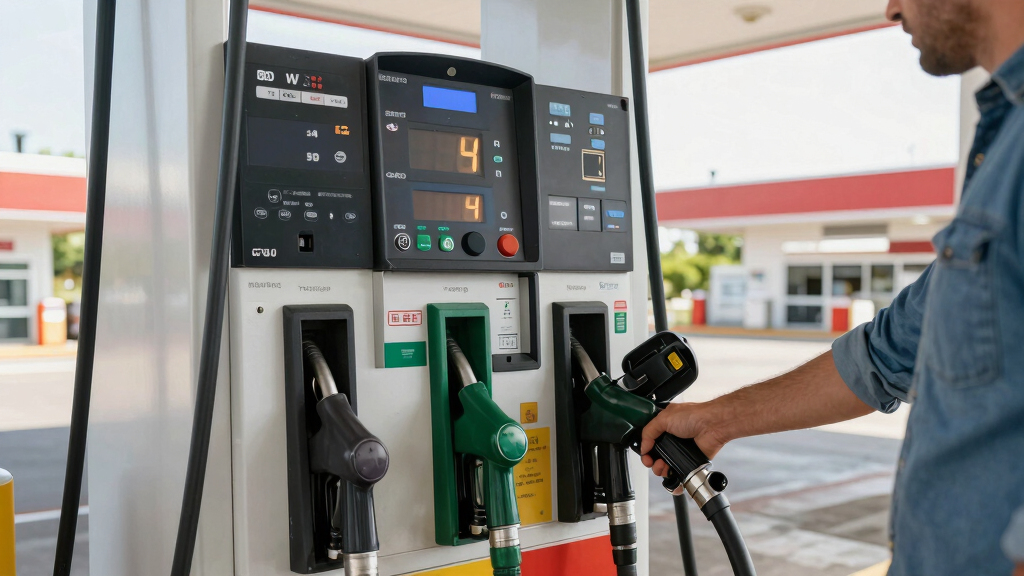
The average U.S. gas price has dropped below $4 per gallon following the announcement of a U.S.-Iran agreement. Experts say the deal could influence global oil supplies and prices. Details of the agreement are still emerging.
The average U.S. gas price has fallen below $4 per gallon following the announcement of a new agreement between the United States and Iran. This development is expected to influence global oil markets and consumer costs, making it a significant moment for U.S. energy economics.
The U.S. Department of Energy reported that the national average for gasoline has declined to $3.98 per gallon, the first time it has dropped below $4 since early 2023. The drop follows the announcement of a diplomatic agreement between the United States and Iran aimed at easing tensions and potentially increasing Iranian oil exports. Market analysts suggest that the deal could lead to an increase in global oil supply, which typically exerts downward pressure on prices. Officials from both countries confirmed the agreement, though specific terms remain undisclosed. The price decline is also reflected in futures markets, where oil prices have decreased by approximately 4% since the announcement.
Experts caution that the full impact of the agreement on oil and gasoline prices will depend on the implementation of the deal and subsequent actions by Iran and other oil-producing nations. The Biden administration emphasized that the deal aims to restore diplomatic relations and stabilize energy markets, but it also faces political and geopolitical uncertainties. Meanwhile, consumers and industry stakeholders are watching closely, as lower fuel prices could influence economic activity and inflation rates in the coming months.
Impact of the U.S.-Iran Agreement on Gasoline Prices
The drop in gasoline prices below $4 per gallon is significant because it provides relief to consumers amid ongoing inflation concerns. If the agreement leads to increased Iranian oil exports, global oil supplies could stabilize or grow, potentially reducing overall energy costs. This development might also influence U.S. energy policy and international relations, as diplomatic efforts with Iran are closely linked to global energy markets. However, the actual impact depends on the deal’s implementation and geopolitical developments, making the situation fluid and subject to change.
As an affiliate, we earn on qualifying purchases.
Recent Trends in Oil and Gas Prices Before the Deal
Prior to the announcement, U.S. gasoline prices had been fluctuating around $4.20 to $4.50 per gallon, largely driven by global supply concerns, OPEC+ production decisions, and geopolitical tensions in the Middle East. The Biden administration has been under pressure to curb rising fuel costs, which have contributed to inflation and consumer hardship. Diplomatic efforts with Iran, a major oil producer, have been ongoing for months, with previous negotiations stalling over sanctions and nuclear issues. The recent agreement marks a potential turning point in these efforts, with analysts noting that Iran’s return to the global oil market could ease supply constraints.
“We are committed to diplomatic solutions that stabilize energy markets and benefit consumers. This agreement is a step toward that goal.”
— a U.S. government spokesperson
As an affiliate, we earn on qualifying purchases.
Uncertainties About Implementation and Market Response
It is not yet clear how quickly Iran will increase oil exports following the agreement, or how other oil-producing nations might respond. The full impact on global oil prices and U.S. gasoline costs will depend on the pace of Iran’s return to the market and geopolitical developments. Additionally, political opposition within the U.S. could influence the deal’s execution and effectiveness.
As an affiliate, we earn on qualifying purchases.
Next Steps in Diplomatic and Market Developments
Monitoring will focus on Iran’s actual increase in oil exports, the response of other oil producers, and any further diplomatic developments. Market analysts will also watch for changes in crude oil futures and retail gasoline prices over the coming weeks. The Biden administration has indicated that it will continue engaging with allies and Iran to ensure the deal’s successful implementation, while consumers and industry stakeholders await more concrete effects on prices and supplies.
As an affiliate, we earn on qualifying purchases.
Key Questions
How much has the average U.S. gas price dropped?
The average U.S. gasoline price has fallen below $4 per gallon, currently at approximately $3.98.
What does the U.S.-Iran agreement involve?
The specific terms are not fully disclosed, but the agreement aims to ease tensions and increase Iran’s oil exports, potentially boosting global supply.
When will consumers see the impact of this deal?
It is uncertain; the impact depends on Iran’s ability to ramp up exports and how quickly global markets respond, likely over the coming weeks.
Could this lead to further drops in fuel prices?
If Iran’s exports increase significantly and other factors remain stable, there is potential for continued declines in gasoline prices.
Are there political risks to this agreement?
Yes, political opposition in the U.S. and shifting geopolitical tensions could influence the deal’s implementation and effectiveness.
Source: Google Trends
Fall Picks
fall essentials
As an affiliate, we earn on qualifying purchases.