
TL;DR

Get home appliances delivered free with Prime
- Fast, free delivery on millions of items
- Prime Video, Amazon Music and more included
- Member-only deals all year
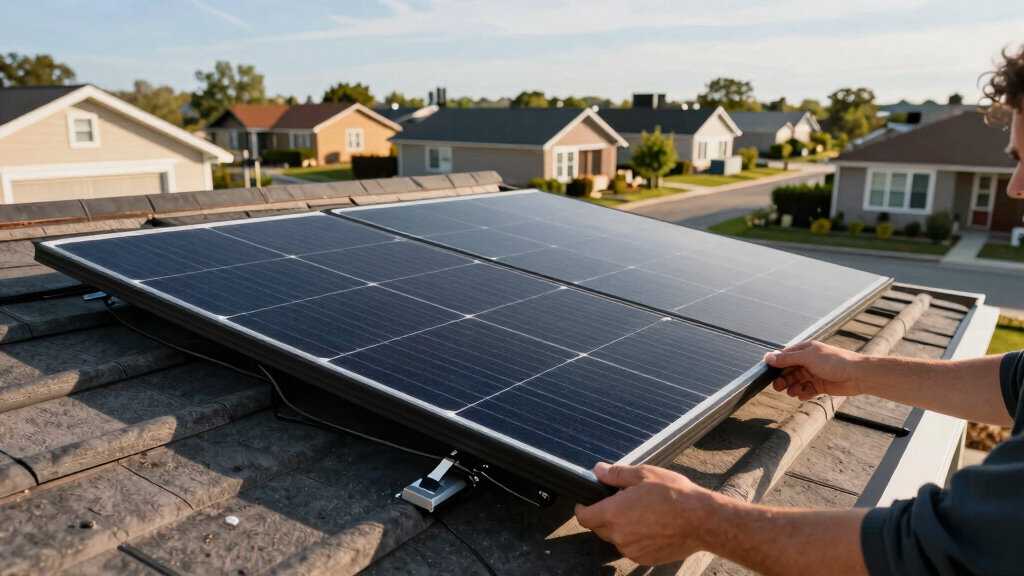
A shift in public perception driven by geopolitical instability and energy security concerns is making solar power the most popular option for energy independence. This trend reflects a move from economic and moral motivations to a desire for control over energy sources.
Global geopolitical tensions and energy security concerns have significantly increased consumer interest in solar power as a means of achieving energy independence, according to TIME magazine.
TIME cites an article by Alexis Abramson, dean of the Columbia Climate School, who states that the recent assault on Iran and ongoing energy crises have shifted public focus from economic savings and environmental values to control and stability. Data shows that nearly 78% of U.S. homeowners were already concerned about grid reliability before recent conflicts, with many now prioritizing self-generation of power through solar, batteries, and electric vehicles. The Inflation Reduction Act and other policies have helped make solar more accessible, but the current geopolitical climate is accelerating demand as consumers seek to insulate themselves from volatile energy prices and outages.
Abramson emphasizes that once installed, solar energy becomes a cost-free resource, serving as a hedge against future uncertainties. She notes that this shift in motivation — from moral and economic to control — is driven by widespread concerns over blackouts, rising fuel costs, and unpredictable geopolitical conflicts, which have made energy independence a top priority for many Americans.
Implications of Solar’s Rise as a Control Tool
This trend indicates a fundamental change in consumer motivation for adopting renewable energy. As energy independence becomes a key factor, solar power is positioned not just as an environmentally friendly choice but as a strategic asset for personal security. This could accelerate solar adoption rates, influence policy priorities, and reshape the future energy landscape, reducing reliance on imported fossil fuels and increasing resilience against geopolitical disruptions.
As an affiliate, we earn on qualifying purchases.
Historical and Current Drivers of Solar Adoption
The push for solar energy has evolved over decades. Initially driven by environmental concerns, the movement gained momentum with economic incentives like the solar investment tax credit introduced in 2006. By 2024, policies like the Inflation Reduction Act boosted the industry, with solar accounting for over 80% of new grid-scale capacity. However, recent geopolitical conflicts, especially the conflict involving Iran and disruptions in global energy markets, have shifted consumer priorities toward control and security. Public concern about grid reliability and energy affordability has surged, transforming the narrative from savings to stability and independence.
“Now we are entering a third era, one defined not by values or economics, but by a drive for control. Energy has now become one of those domains.”
— Alexis Abramson, Columbia Climate School dean
As an affiliate, we earn on qualifying purchases.
Unclear Future Trends and Policy Impact
It is not yet clear how sustained this shift will be or how policymakers will respond. While consumer interest in solar for control and independence is rising, the long-term effects on national energy strategies and infrastructure investments remain uncertain. Additionally, geopolitical developments could either accelerate or hinder this trend, and the pace at which solar can replace fossil fuels on a large scale is still to be determined.
As an affiliate, we earn on qualifying purchases.
Next Steps in Solar Adoption and Policy Response
Expect continued growth in residential and community solar projects driven by consumer demand for control. Policymakers may adjust incentives or regulations to support this shift, while industry stakeholders focus on expanding infrastructure and addressing supply chain challenges. Monitoring how geopolitical conflicts evolve will be crucial to understanding the trajectory of energy independence efforts.
As an affiliate, we earn on qualifying purchases.
Key Questions
Why is energy independence now a major selling point for solar?
Recent geopolitical conflicts, rising energy prices, and concerns over grid reliability have made consumers prioritize control over their energy sources, positioning solar as a way to achieve independence and stability.
Will this shift reduce reliance on fossil fuels?
Potentially, as increased consumer interest in self-generation and local energy solutions could decrease dependence on imported fossil fuels, but large-scale transition depends on policy, infrastructure, and technological developments.
How are policymakers responding to this trend?
Policymakers may enhance incentives for solar adoption, streamline permitting processes, and invest in grid resilience to support the growing demand driven by energy independence concerns.
Is the current interest in solar sustainable long-term?
While current geopolitical and economic factors are driving rapid growth, long-term sustainability will depend on continued policy support, technological advancements, and infrastructure expansion.
What challenges might slow this shift?
Supply chain issues, regulatory hurdles, and geopolitical instability could hinder the pace of solar adoption, despite strong consumer demand for control and independence.
Source: CleanTechnica
Cold & flu season Picks
humidifiers
As an affiliate, we earn on qualifying purchases.