Smart homes handle hot and cold spots better by using advanced sensor technology to detect temperature variations throughout your space. These sensors provide real-time data, allowing smart systems to make targeted adjustments quickly. They can respond immediately to uncomfortable areas, increasing or decreasing heating or cooling as needed. Over time, machine learning helps the system adapt to your habits, ensuring consistent comfort. To discover how this technology works in detail, keep exploring these smart solutions.

Get home appliances delivered free with Prime
- Fast, free delivery on millions of items
- Prime Video, Amazon Music and more included
- Member-only deals all year
Key Takeaways
- Advanced sensors detect temperature variations in specific zones for targeted adjustments.
- Machine learning predicts fluctuations, enabling preemptive, localized heating or cooling.
- Multi-sensor data allows precise regulation, preventing hot or cold spots throughout the home.
- Integration with smart devices enables remote control and weather-based proactive adjustments.
- Adaptive systems optimize airflow and ventilation to maintain uniform, comfortable temperatures.
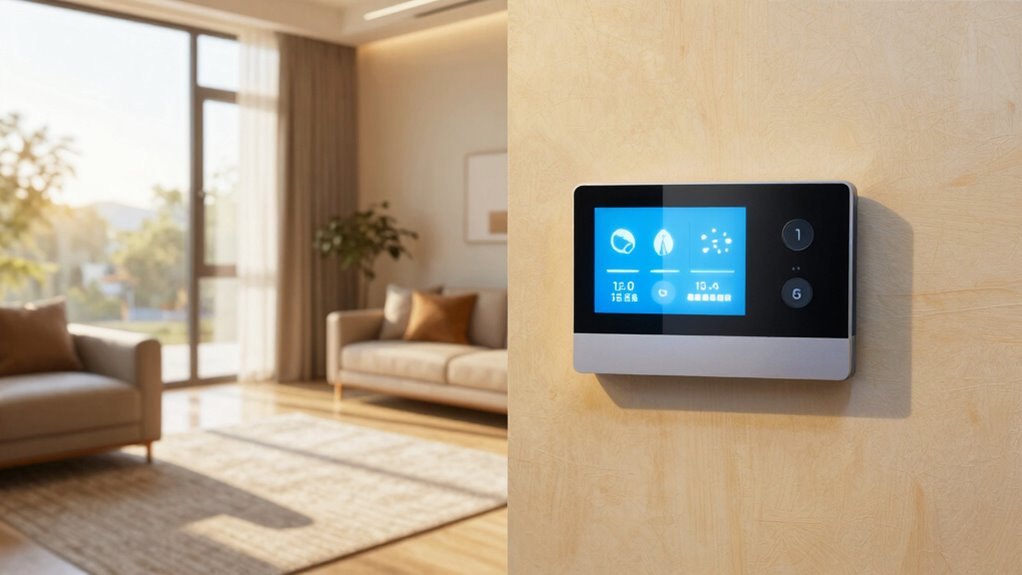
Smart homes are increasingly equipped with advanced climate control systems designed to maintain consistent temperatures throughout your living space. These systems leverage modern sensor technology to detect temperature variations in different areas of your home, allowing for precise adjustments that prevent hot or cold spots. Instead of relying on traditional thermostats that measure temperature in a single spot, smart climate systems gather real-time data from multiple sensors placed strategically around your home. This means you can enjoy a more uniform temperature, no matter where you are in the house.
By using sensor technology, your smart home can identify specific areas that tend to become uncomfortably warm or cold. When a sensor detects a hot or cold spot, the system responds immediately, adjusting the HVAC output to target that particular zone. For example, if a corner of your living room is colder than the rest, the system will increase heating in that area without over-heating other parts of the house. This targeted approach guarantees ideal comfort and reduces unnecessary energy consumption. As a result, your system becomes more energy efficient, saving you money on utility bills while also reducing your home’s carbon footprint.
The beauty of these advanced systems is that they learn and adapt over time. Many smart climate controls incorporate machine learning algorithms that analyze temperature patterns and usage habits. This allows the system to anticipate temperature fluctuations and make preemptive adjustments. Over time, you might notice that your home maintains a more stable temperature with fewer manual interventions, and you’ll see improvements in overall energy efficiency. This not only keeps your living environment more comfortable but also ensures you’re making the most of your energy resources. Additionally, some systems use sensor technology to optimize airflow and ventilation, further enhancing overall comfort and efficiency. Incorporating innovative sensor placement can further improve the system’s ability to detect and respond to temperature differences.
Furthermore, smart climate control systems often integrate with other smart home devices, such as voice assistants or mobile apps. This connectivity gives you greater control and the ability to fine-tune your home’s temperature from anywhere. If you’re away and want to prevent hot or cold spots from developing, you can adjust settings remotely. Some systems even incorporate weather data to preemptively modify heating or cooling based on external temperature changes, further enhancing energy efficiency and comfort.
As an affiliate, we earn on qualifying purchases.
Frequently Asked Questions
How Do Smart Thermostats Detect Temperature Variations Accurately?
Smart thermostats detect temperature variations accurately by using well-calibrated sensors that measure the air temperature precisely. They optimize sensor placement, often in central or representative locations, to get a true reading of your home’s overall climate. Regular thermostat calibration guarantees the device’s readings stay accurate over time, preventing hot and cold spots. This combination allows your smart thermostat to adjust heating or cooling effectively, providing consistent comfort throughout your home.
Can Smart Home Systems Control Individual Room Temperatures Independently?
Yes, smart home systems can control individual room temperatures independently through smart zoning. You can set different temperatures for each room based on your preferences, and the system automatically adjusts heating or cooling accordingly. Plus, manual overrides give you direct control whenever needed. This setup helps optimize comfort and energy efficiency, ensuring each space stays at the perfect temperature without affecting others.
What Sensors Are Used to Identify Hot and Cold Spots?
You might worry about sensors being inaccurate, but smart homes use calibrated temperature sensors to detect hot and cold spots precisely. These sensors analyze data from various areas, helping the system identify temperature variations accurately. By continuously calibrating and analyzing sensor data, your smart home can adjust heating or cooling to eliminate hot and cold spots efficiently, creating a comfortable environment throughout your space.
How Quickly Can a Smart Home Adjust to Temperature Inconsistencies?
Your smart home can adjust to temperature inconsistencies within minutes, thanks to smart zoning and thermal mapping technology. Once sensors detect hot or cold spots, the system rapidly analyzes data to identify problem areas. Then, it activates specific zones and adjusts heating or cooling accordingly. This quick response minimizes discomfort, maintains consistent temperatures, and saves energy, ensuring your home stays comfortable without delay.
Are There Energy Efficiency Benefits From Addressing Hot and Cold Spots?
Addressing hot and cold spots improves your home’s energy efficiency by optimizing thermal comfort through zoning strategies. When your smart system detects uneven temperatures, it adjusts heating or cooling to specific zones, reducing unnecessary energy use. This targeted approach minimizes waste, lowers utility bills, and enhances comfort. So, fixing these spots isn’t just about comfort — it’s a smart way to save energy and make your home more sustainable.
As an affiliate, we earn on qualifying purchases.
Conclusion
Smart homes are transforming how you experience comfort by precisely managing hot and cold spots. With advanced sensors and automation, you can enjoy consistent temperatures throughout your space. Did you know that smart thermostats can reduce energy bills by up to 12%? By embracing these technologies, you not only enhance your comfort but also save money and energy. So, take advantage of smart home solutions to create a perfectly balanced, cozy environment all year round.
smart thermostat with machine learning
As an affiliate, we earn on qualifying purchases.
As an affiliate, we earn on qualifying purchases.
multi-zone climate control system
As an affiliate, we earn on qualifying purchases.
As an affiliate, we earn on qualifying purchases.
Fall yard work Picks
leaf blowers
As an affiliate, we earn on qualifying purchases.