
TL;DR
Qcells has launched a new, fully integrated solar cell manufacturing plant in Cartersville, Georgia, making it the only such US facility and boosting domestic solar production. This development supports US energy independence and renewable growth.
Qcells has officially begun full-scale operations at its new, fully integrated solar cell manufacturing plant in Cartersville, Georgia, establishing the first such facility in the US in over a decade. This move enhances domestic solar supply chain resilience and positions the company to capitalize on federal tax credits supporting local manufacturing.
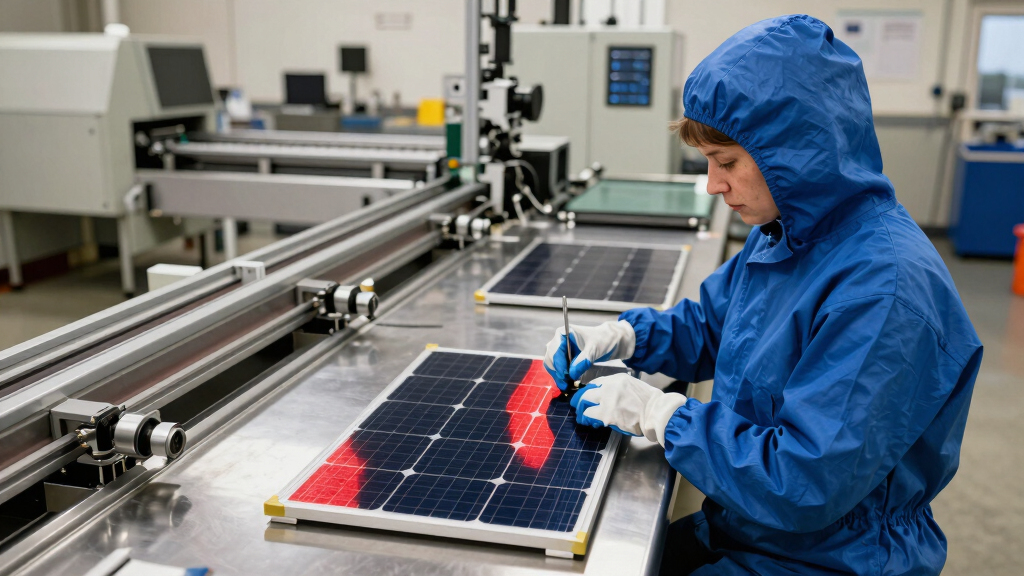
The Cartersville plant, operated by Korea-headquartered Qcells, is now producing solar ingots, wafers, and cells at a combined capacity of 3.3 gigawatts per year, with full capacity anticipated in Q3 2023. This facility is the first in the US to be fully vertically integrated, producing all stages of solar module components domestically. Alongside its expansion in Dalton, Georgia, Qcells aims for a total capacity of 8.6 gigawatts annually, enough to produce approximately 47,000 solar panels daily. The plant’s domestic content allows Qcells to qualify for Section 45X tax credits, providing a significant competitive advantage and supporting US solar industry growth.
Impact on US Solar Manufacturing and Energy Independence
This development underscores a strategic shift toward strengthening domestic solar manufacturing, reducing reliance on overseas supply chains, particularly from China and other nations. By establishing the only fully integrated solar cell factory in the US, Qcells positions itself to benefit from federal tax incentives, potentially lowering costs for US solar developers. The move also signals a broader industry trend favoring local, transparent, and supply-chain resilient production, which could accelerate solar adoption and contribute to US energy independence amid ongoing policy debates.

ECO WORTHY 10000W Output Complete Off-Grid Solar Panel Kit for Home| 10KW 120V/240V Output Split Phase Inverter| 48V 314Ah16.1kWh High Capacity Energy Storage| 2950W Solar Panel PV| Whole House System
System Components:Delivers up to 10kW power output with 120V/240V single-phase split-phase support, making it suitable for smoothly running…
As an affiliate, we earn on qualifying purchases.
As an affiliate, we earn on qualifying purchases.
Historical Decline and Recent Revival of US Solar Industry
US solar manufacturing experienced a sharp decline after the 1980s, with domestic capacity nearly disappearing by the early 2000s due to foreign competition, especially from China. The industry saw a resurgence starting in the Obama administration, driven by federal incentives and tax credits aimed at reducing solar costs and promoting local production. Recent years have seen a wave of new factories, including Qcells’ Georgia facilities, as part of a broader effort to rebuild US solar manufacturing capacity and capitalize on the increasing demand for renewable energy.
“The Cartersville factory is the first such operation built in the United States in more than a decade and will be home to the largest ingot and wafer plant ever constructed in the country.”
— Qcells spokesperson
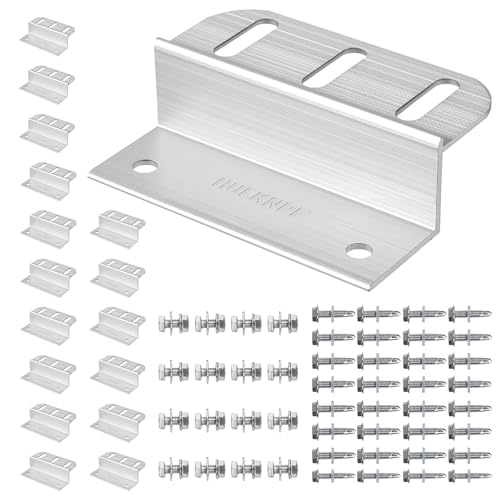
HULKNPE Z Brackets Solar Panel Mounting Kit (16 Pack) – Heavy Duty Corrosion-Resistant Aluminum for RV, Boat, Roof & Off-Grid Installations
Durable & Wind-Resistant Build: Crafted from corrosion-resistant aluminum alloy, these heavy-duty Z brackets provide long-lasting, stable performance and…
As an affiliate, we earn on qualifying purchases.
As an affiliate, we earn on qualifying purchases.
Remaining Questions About Full Capacity and Market Impact
While the factory is operational at partial capacity, it is not yet clear how quickly it will reach full production levels or how significantly it will influence the broader US solar market. Additionally, the long-term impact of federal policies, tariffs, and global supply dynamics remains uncertain, as does the extent of competition from overseas manufacturers.
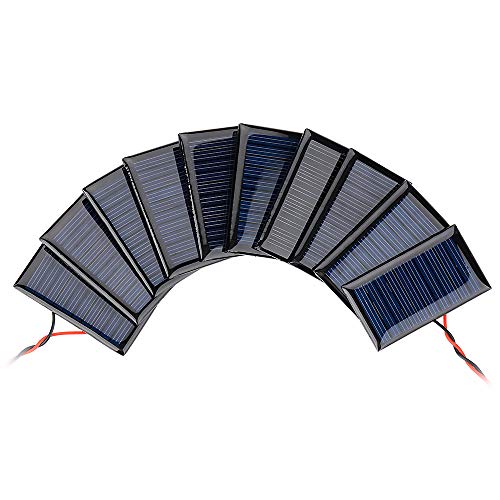
AOSHIKE 10Pcs 5V 30mA Mini Solar Panels for Mini Solar Cells DIY Electric Toy Materials Photovoltaic Cells Solar DIY System Kits 2.08"x1.18"(5V 30mA 53mmx30mm)
❶【Sufficient Power】All data are actually measured under the condition that the solar light is sufficient. In full sunlight,…
As an affiliate, we earn on qualifying purchases.
As an affiliate, we earn on qualifying purchases.
Next Steps for Factory Expansion and Industry Growth
Qcells plans to ramp up production to full capacity in Q3 2023, with ongoing investments in related facilities like Dalton. Industry analysts will monitor how this influences domestic solar installation costs, supply chain stability, and the pace of renewable energy adoption in the US. Policymakers and market players will also watch for potential policy adjustments that could further support or challenge domestic manufacturing efforts.

SUNGOLDPOWER Solar Panel Ground Mount Bracket,Adjustable Tilt & Expandable Solar Mount Bracket Kits for 2pcs 300W/450W/500W/550W/560W/590w Solar Panels,for Ground,Farm,Backyard,Off-Grid System
[★ Expandable & Compatible with Large Solar Modules]: SUNGOLDPOWER Solar panel Mounting Bracket supports 2 large panels per…
As an affiliate, we earn on qualifying purchases.
As an affiliate, we earn on qualifying purchases.
Key Questions
Why is the new Georgia solar factory significant?
The factory is the first fully integrated US solar cell manufacturing plant in over a decade, supporting domestic supply chains, qualifying for federal tax credits, and reducing reliance on foreign imports.
How does this factory benefit US solar developers?
It offers locally produced, tax-credit-eligible solar modules, potentially lowering costs and increasing supply chain transparency and resilience.
Will this factory impact solar prices?
Increased domestic capacity and supply chain stability could help reduce solar module costs, but the exact market impact depends on full capacity ramp-up and global supply factors.
What are the long-term implications for US energy policy?
This development signals a shift toward strengthening domestic renewable manufacturing, which could influence future policies supporting clean energy and industrial rebuilding efforts.
Source: CleanTechnica