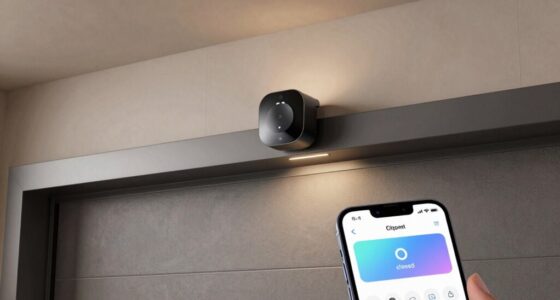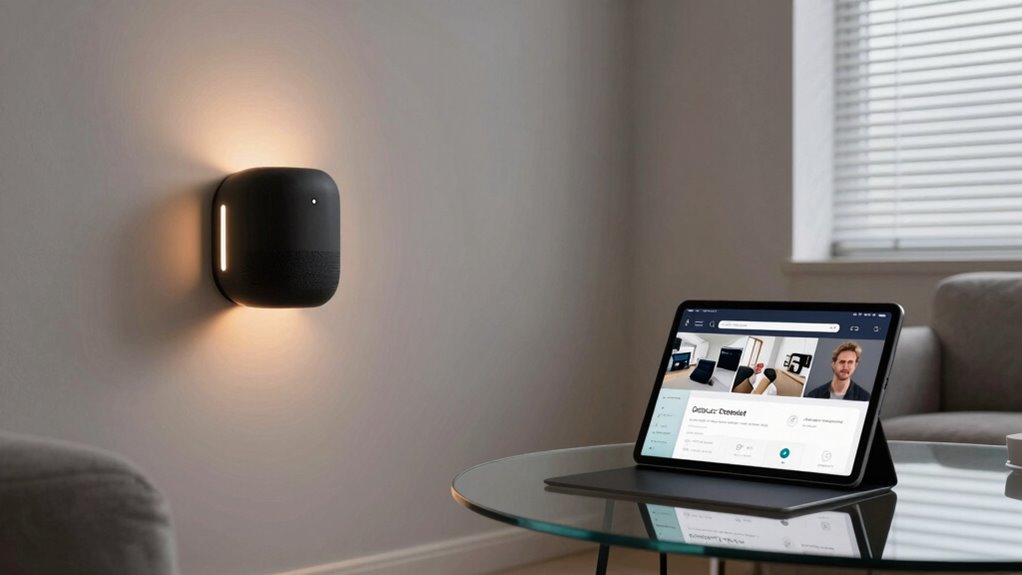

Always-on smart home devices boost your convenience by constantly listening, collecting, and transmitting data for features like voice commands. But this constant data flow raises privacy concerns, as routines and conversations could be accessed by third parties. While encryption and privacy controls help protect your information, you still face tradeoffs between smart functionality and privacy risks. Managing your device settings and understanding policies can improve your privacy. Keep exploring to learn how to balance smart tech use with your personal privacy.

Get home appliances delivered free — and shop member deals
- Fast, free delivery on millions of items
- Access to Prime Big Deal Days deals on October 6–7
- Prime Video, Amazon Music and more included
Key Takeaways
- Always-on devices continuously listen and collect data, enhancing convenience but increasing privacy risks.
- Encryption and security measures protect data but are not uniformly implemented across devices.
- Transparency in privacy policies helps users understand data collection and manage privacy risks effectively.
- User consent and default settings influence the level of data sharing and privacy control.
- Managing privacy tradeoffs involves informed decisions, adjusting settings, and choosing devices with strong security practices.
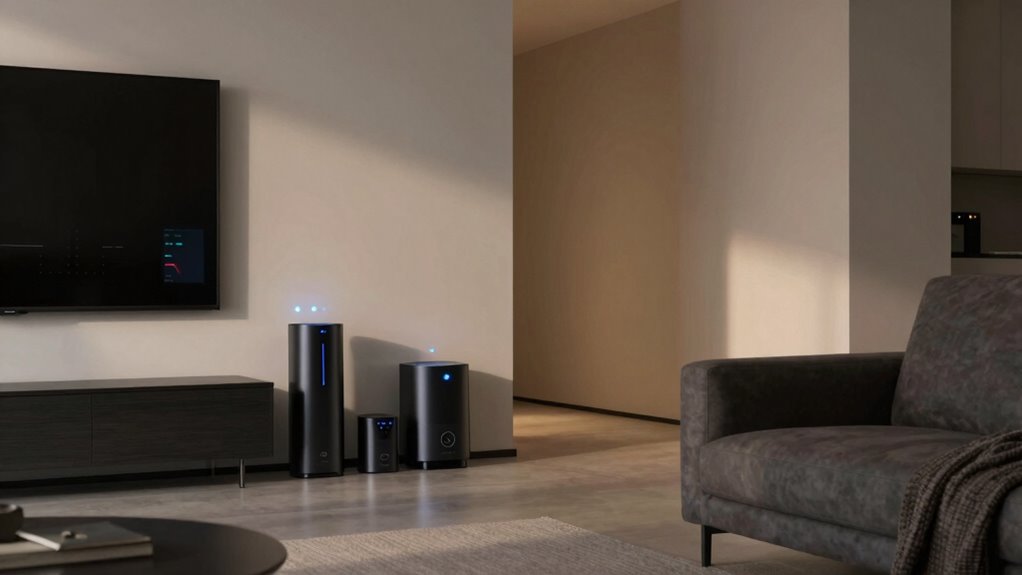
Always-on smart home devices promise convenience and seamless connectivity, but they come with considerable privacy tradeoffs that you need to take into account. These devices are constantly listening, collecting, and transmitting data to provide features like voice commands, personalized suggestions, and automation. While this makes life easier, it also means your private conversations, routines, and habits are potentially accessible to third parties or vulnerable to hacking. The key to managing these risks lies in understanding how your data is protected, especially through data encryption, and whether you’ve given clear user consent for the information being gathered.
Data encryption is essential in safeguarding the information your smart devices send and receive. If your device uses robust encryption, it makes it markedly harder for malicious actors to intercept and decode your data. However, not all devices prioritize encryption equally. Some manufacturers may encrypt data during transmission but fail to do so when storing it, leaving your information exposed if their servers are breached. You should investigate whether your devices employ end-to-end encryption, which ensures that only you and the device have the keys to access your data. This layer of security is fundamental because it prevents unauthorized access, whether from hackers or even the companies managing your smart home ecosystem. Data encryption plays a crucial role in protecting your privacy and should be a key factor in your device choices. Additionally, understanding the data collection policies of your smart devices can help you make more informed decisions about your privacy. Being aware of how your data is managed can also help you identify potential vulnerabilities before they become a problem. Implementing privacy controls can further reduce the risks associated with data collection and sharing. Recognizing the importance of privacy policies can further empower you to control your personal information.
Prioritize devices with end-to-end encryption to keep your data secure and prevent unauthorized access.
Equally important is your role in user consent. When you set up these devices, you’re often prompted to agree to lengthy terms and conditions, which many users skim over or overlook. These agreements outline what data is collected, how it’s used, and who might have access to it. It’s essential that you read and understand these policies, and only give consent if you’re comfortable with the scope of data collection. Some manufacturers provide options to limit data sharing or opt-out of certain features, so take advantage of those settings. Being proactive about your consent means you’re controlling your privacy rather than passively accepting default settings that might expose more of your personal life than you realize. Recognizing the importance of user consent can help you take steps to better protect your personal information.
Ultimately, managing the privacy tradeoffs of always-on smart home devices requires awareness and intentional choices. Look for products with strong data encryption practices and transparent privacy policies. Don’t hesitate to adjust device settings or disable features that you don’t need. Remember, your privacy is in your hands, and understanding the importance of data encryption and user consent helps you retain control over your personal information. By staying informed, you can enjoy the benefits of smart technology without sacrificing your privacy.
end-to-end encrypted smart home devices
As an affiliate, we earn on qualifying purchases.
As an affiliate, we earn on qualifying purchases.
Frequently Asked Questions
How Do Manufacturers Protect User Data From Breaches?
Manufacturers protect your data from breaches by implementing data encryption, which secures information during transmission and storage. They also prioritize user consent, ensuring you’re aware of how your data is used and can manage permissions accordingly. Regular security updates and robust authentication methods further safeguard your data. By combining these measures, manufacturers aim to minimize risks and protect your privacy, but staying informed and cautious remains essential.
Can I Disable Listening Features Without Losing Device Functionality?
Yes, you can disable listening features without losing device functionality by adjusting voice command settings or device customization options. Many smart home devices allow you to turn off the microphone or mute voice activation, ensuring your privacy. However, some features relying on voice commands may become limited. Check your device’s settings or app to find the specific controls for disabling listening, giving you more privacy while still using essential functions.
What Legal Rights Do Consumers Have Over Recorded Data?
Imagine your personal diary is being read without permission—that’s how you might feel about your recorded data. Legally, you typically own your data, but companies often claim rights through user agreements. Your legal rights over recorded data hinge on data ownership and user consent. You can sometimes request access, deletion, or correction, but understanding your rights depends on your jurisdiction and the specifics of how you’ve consented to data collection.
Are There Privacy-Focused Smart Home Alternatives?
Yes, there are privacy-focused smart home alternatives. You can choose devices designed with privacy concerns in mind, prioritizing device transparency about data collection and usage. Look for brands that offer local processing instead of cloud storage, and that provide clear settings to control or disable data sharing. These choices help you reduce privacy concerns while still enjoying smart home benefits, giving you more control over your personal information.
How Often Do Companies Update Privacy Policies?
Companies update privacy policies more often than you change your socks—sometimes quarterly or even monthly. They do this to stay ahead of evolving regulations and to reflect new features or data practices. In these updates, they emphasize data encryption and obtaining user consent to keep your information secure and transparent. You should review policies regularly, as frequent updates mean your privacy rights are actively being shaped and protected, or possibly compromised.
As an affiliate, we earn on qualifying purchases.
Conclusion
As you consider always-on smart home devices, remember they constantly collect data—sometimes even when you’re not aware. An interesting stat reveals that over 60% of users worry about their privacy, yet many still keep these devices active. It’s a tradeoff: convenience versus control. By staying informed and adjusting your settings, you can enjoy smart technology’s benefits while safeguarding your privacy. Ultimately, awareness empowers you to make smarter choices in your connected home.
smart home device privacy controls
As an affiliate, we earn on qualifying purchases.
As an affiliate, we earn on qualifying purchases.
As an affiliate, we earn on qualifying purchases.
Fall yard work Picks
leaf blowers
As an affiliate, we earn on qualifying purchases.