Sharing your smart camera feeds with police can boost safety by helping respond quickly to crimes and identify suspects. However, it also raises privacy concerns, including who can access your footage and how it’s used. You might feel uncomfortable or vulnerable if neighbors or law enforcement have ongoing access. Balancing these factors depends on your comfort level and local laws. If you want to explore ways to protect your privacy while enhancing security, keep exploring this important topic.

Get home appliances delivered free with Prime
- Fast, free delivery on millions of items
- Prime Video, Amazon Music and more included
- Member-only deals all year
Key Takeaways
- Sharing feeds can enhance safety by enabling quick police response and suspect identification during incidents.
- It raises privacy concerns by allowing unauthorized access, misuse, or surveillance beyond intended use.
- Community trust may be affected, as residents might feel surveilled or uncomfortable with constant monitoring.
- Legal requirements, such as warrants and local laws, influence the permissibility and scope of sharing footage.
- Weighing safety benefits against privacy risks helps residents decide whether sharing aligns with their comfort and community values.

Many homeowners wonder whether sharing their smart camera feeds with police is a good idea, especially when it comes to enhancing security. You might believe that providing access to your cameras could help authorities respond faster to crimes, identify suspects, and gather evidence. After all, the more information police have, the better they can do their jobs. But it’s important to consider the potential consequences, both positive and negative, before deciding to grant police access to your private footage.
On the one hand, sharing your smart camera feeds can act as a powerful tool in crime prevention. When police can view live footage or review recordings, they can respond more quickly to incidents happening on or near your property. It can assist in identifying burglars, vandals, or trespassers, potentially leading to faster arrests. Some communities have formal programs that encourage residents to share footage, creating a neighborhood-wide security network that benefits everyone. You might feel reassured knowing that your cooperation could help reduce crime rates and protect your loved ones.
However, this practice isn’t without its drawbacks. Sharing your camera feeds raises serious privacy concerns. Once you grant police access, you may lose control over who views your footage and how it’s used. There’s a risk that footage could be accessed by unauthorized personnel or misused. Additionally, police may request access in situations where it’s not justified, leading to potential overreach or scrutiny of innocent residents. You might worry that your private moments caught on camera, even unintentionally, could be exposed or used against you in ways you never anticipated. It’s also worth noting that privacy laws can vary significantly by jurisdiction, affecting your rights and protections.
Furthermore, sharing feeds can create a chilling effect within your community. Neighbors may feel uncomfortable or surveilled, which could erode trust. If residents perceive that their private spaces are open to law enforcement scrutiny, it might discourage open communication or lead to a sense of constant monitoring. You have to ask yourself whether the security benefits outweigh these privacy risks. Are you comfortable with the possibility that your footage might be used beyond the scope of crime prevention? Do you trust law enforcement to handle your data responsibly?
Ultimately, the decision hinges on your comfort level and understanding of the trade-offs involved. It’s wise to review local laws and police policies before sharing your footage. Some jurisdictions have strict regulations about how law enforcement can access and use private surveillance footage. You may also want to consider setting clear boundaries, such as only sharing footage during serious incidents or requiring warrants for access. Balancing the desire for safety with the need to protect your privacy requires careful thought. You should evaluate your personal risk factors, community trust, and the legal landscape to make an informed choice about whether sharing your smart camera feeds aligns with your values and security goals.
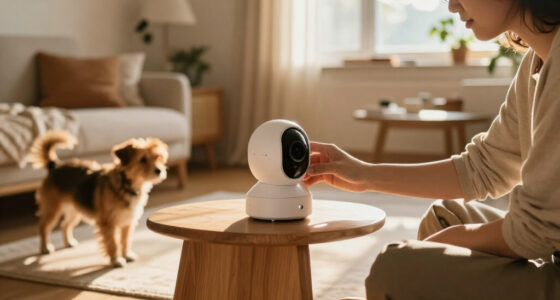
smart security camera with privacy features
As an affiliate, we earn on qualifying purchases.
As an affiliate, we earn on qualifying purchases.
Frequently Asked Questions
How Secure Are Police-Accessed Camera Feeds From Hacking?
Police-accessed camera feeds can be relatively secure, but they aren’t foolproof. Agencies typically use encryption and secure networks to protect the streams from hackers. However, vulnerabilities exist if systems aren’t properly maintained or updated. You should guarantee your devices have strong passwords, enable two-factor authentication, and keep firmware current. Staying vigilant helps minimize risks, but no system is completely immune to hacking attempts.
Can I Revoke Police Access Once Granted?
Yes, you can revoke police access once granted, like closing a gate to your digital backyard. Typically, you’ll need to contact your smart camera provider or adjust your account settings to remove their permissions. Keep in mind, some systems may require formal requests or specific procedures. Staying proactive guarantees you maintain control over your privacy, turning off the flow of footage when you decide it’s time to lock the door.
Do Police Share My Camera Footage With Other Agencies?
Yes, police can share your camera footage with other agencies. When they obtain your footage, they may transfer it to different law enforcement units for investigations or intelligence. This sharing depends on local laws, policies, and the specific circumstances of the case. If you’re concerned, check your local regulations or ask the authorities about their data-sharing practices to understand how your footage might be used beyond the initial request.
What Legal Protections Exist for Homeowners Sharing Footage?
Think of your footage as a valuable treasure chest. Laws like the Fourth Amendment and state privacy statutes act as your guardians, offering protections against unwarranted searches and disclosures. When you share footage with police, these protections help make sure your rights aren’t overlooked. However, it’s important to understand local laws and policies, as some protections may vary. Always review your rights to safeguard your privacy while aiding law enforcement.
How Does Sharing Impact My Relationship With Neighbors?
Sharing your smart camera feed with police can impact your relationship with neighbors by increasing trust or causing concern. They might appreciate your proactive approach to safety, strengthening bonds. However, some may worry about privacy invasion or surveillance overreach, leading to tension. You should communicate openly, explaining your reasons and ensuring transparency to maintain good neighborly relations while balancing safety and privacy.
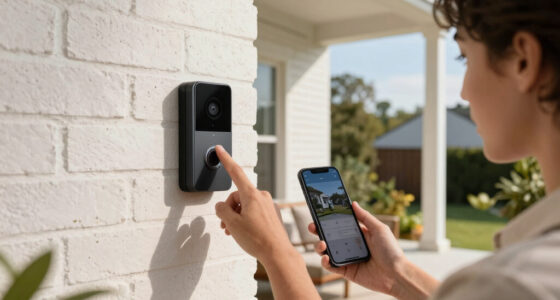
wireless home security camera system
As an affiliate, we earn on qualifying purchases.
As an affiliate, we earn on qualifying purchases.
Conclusion
Think of your smart camera as a lighthouse—guiding safety through the night but also shining a light on your privacy. When you share your feed with police, you’re opening that lighthouse to others, risking exposure beyond your intentions. Balance the safety beacon with the need for privacy, knowing that each decision shapes your personal horizon. Ultimately, you hold the switch—choose wisely where that light shines.
smart camera with remote access control
As an affiliate, we earn on qualifying purchases.
As an affiliate, we earn on qualifying purchases.
security camera with police sharing options
As an affiliate, we earn on qualifying purchases.
As an affiliate, we earn on qualifying purchases.
Halloween Picks
halloween
As an affiliate, we earn on qualifying purchases.