TL;DR

Get home appliances delivered free with Prime
- Fast, free delivery on millions of items
- Prime Video, Amazon Music and more included
- Member-only deals all year
A Livingetc report describes how skinimalism—using fewer, more targeted skincare products—could influence bathroom design. Dermatologists interviewed by the publication connect simpler routines with reduced storage needs and interest in water filters, but the report does not establish that the trend is driving widespread renovations or prove filters improve skin.
Livingetc has reported that the skinimalism beauty trend could influence bathroom design, as shorter skincare routines reduce the need for large counters and extensive product storage. Dermatologists quoted in the report also describe growing interest in water filters, although the article does not establish how widespread these design changes are or whether filters improve skin.
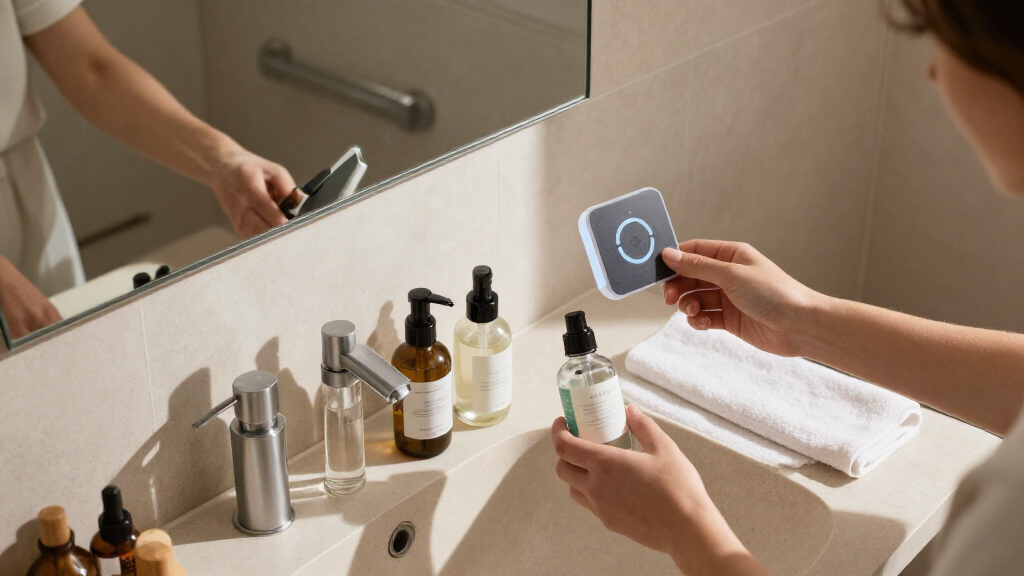
The report describes skinimalism as a move away from lengthy, multi-step skincare routines toward fewer, targeted products. Dermatologist Dr. Joanne Jacob told Livingetc that when routines become simpler, bathrooms may need less counter and shelf space. She said designers can instead prioritize lighting, ambiance and display for a small number of products.
That could support a shift toward smaller or floating vanities and standalone sinks, including in primary bathrooms, rather than long counters used to hold many skincare items. The report presents these as possible design outcomes of simplified routines, not as a measured or confirmed industry-wide change.
Water filtration is another idea discussed in the article. Jacob described attention to water quality as part of a broader interest in addressing possible underlying contributors to skin concerns. Dr. Indy Chabra, a dermatologist quoted by Livingetc, characterized filters as one of the “little luxuries” people may choose alongside a more limited product collection. The report does not provide clinical evidence that a bathroom filter treats skin conditions.
Less Storage, More Room for Design
If households adopt shorter skincare routines, the change could affect how they allocate space in a bathroom. Less product storage may leave room for a smaller vanity or a more visually prominent sink, while lighting and atmosphere take a larger role in the design. That may matter to people planning a remodel, especially where floor area or counter space is limited.
The article also links the trend to purchasing priorities: fewer products, with spending directed toward selected items or fixtures such as a water filter. That is a description of a possible consumer shift, not evidence that filtration is necessary for healthy skin or that it will save money in every household. Any design decision still depends on personal routine, budget and available space.
Products Worth Considering

Samsung Galaxy Tab A11+ 11-Inch Wi-Fi Tablet, 6GB RAM, 128GB Storage, Gray

Bose Lifestyle Ultra Soundbar and Ultra Subwoofer Bundle

Amazon Kindle Scribe (3rd Generation), 64GB, 11-inch Display, Graphite, with Premium Pen
As an affiliate, we earn on qualifying purchases.
From Skincare Routines to Bathroom Layouts
Livingetc’s report brings together commentary from dermatologists and interior-design examples to consider how changes in getting-ready habits might affect bathroom layouts. Its starting point is the contrast between a 10-step routine and a shorter regimen that uses a few selected products.
Jacob said fewer products can reduce the need for counter space and shelving. Chabra framed the movement as a response to overconsumption and routines that, in his view, can contribute to irritation and decision fatigue. These are the interviewees’ explanations of the trend; the source does not provide survey data measuring how many consumers have changed their routines or remodeled bathrooms as a result.
“The focus shifts to lighting, ambiance, and beautiful displays for a few key products.”
— Dr. Joanne Jacob, dermatologist, quoted by Livingetc
How Much Change Is Happening?
The source does not quantify how many homeowners are adopting smaller vanities or standalone sinks because of skinimalism. It offers design examples and expert commentary, but no market data showing that the trend has changed renovation choices broadly.
The benefits of water filters for skin are also not established by the material provided. The report relays dermatologists’ views about water quality and skin concerns but cites no specific clinical findings on the filters mentioned. It is also unclear whether simpler routines are a lasting change for consumers or a temporary beauty preference.
What Remodelers Can Watch
For now, the reported connection is best understood as a design possibility, not a forecast backed by sales or renovation data. People planning bathrooms can consider how much counter and concealed storage their actual routines require before choosing a layout.
Further evidence of the trend’s reach would include consumer surveys, renovation-industry data or reporting from designers on sustained demand for smaller vanities and less counter space. Claims about water filtration would also need clear evidence about what a particular filter removes and whether that has a demonstrated effect on skin.
Key Questions
What does skinimalism mean?
Skinimalism refers to a pared-back skincare approach centered on fewer, targeted products rather than a long routine. That is how the trend is described in Livingetc’s report.
How could skinimalism affect bathroom design?
With fewer products to keep at hand, a household may need less counter and storage space. The report says this could make smaller vanities and standalone sinks more practical, but it does not show that these choices are becoming widespread.
Does the report prove that water filters improve skin?
No. The article includes dermatologists’ comments about water quality and interest in filters, but provides no clinical evidence establishing that the products discussed improve skin.
Is skinimalism already changing bathroom renovations?
The report suggests it could influence design choices, but gives no survey or market data confirming a broad effect on renovation decisions.
Source: livingetc.com