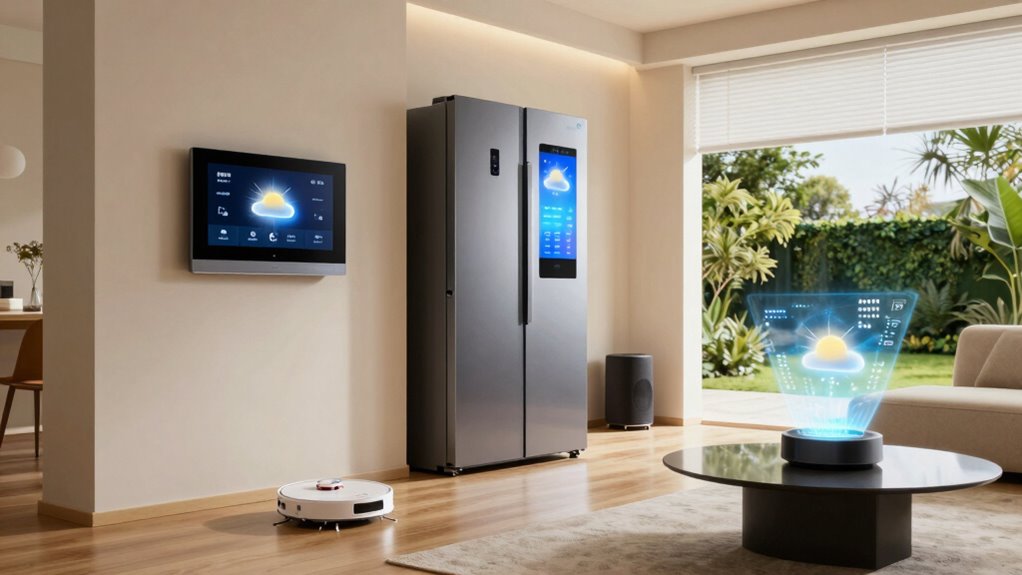
A future-ready smart home combines energy efficiency, security, and reliable connectivity. You’ll control heating, lighting, and appliances remotely, with systems learning your routines to save energy. Security features include high-definition cameras, smart locks, and video doorbells for real-time monitoring. A strong network keeps everything connected seamlessly, while automation adapts to your lifestyle. To create a sustainable, safe, and convenient home that evolves with you, explore how each element works together.
Key Takeaways
- Integrated energy systems utilizing solar power and smart management for efficiency and sustainability.
- Advanced security with real-time surveillance, remote access, and layered protection.
- Reliable, high-speed connectivity supporting seamless device communication and voice control.
- Automated systems that learn routines and adapt to user preferences for enhanced comfort.
- Cohesive, scalable infrastructure enabling ongoing upgrades and future technological integration.
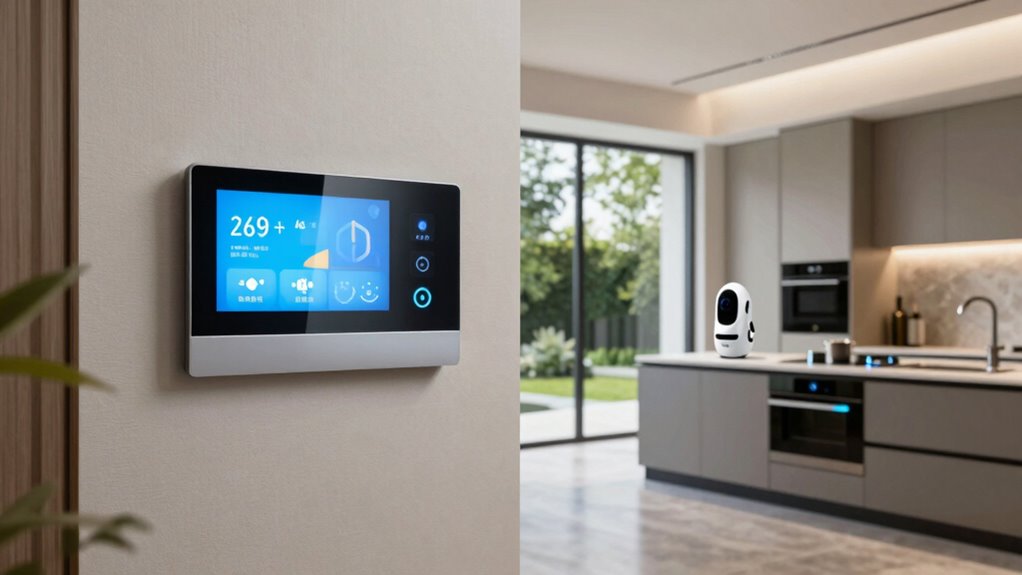
With technology advancing rapidly, setting up a future-ready smart home is more accessible than ever. You can seamlessly integrate devices that not only enhance convenience but also prioritize energy efficiency and security. When you think about a smart home designed for the future, you’re imagining a space that adapts to your lifestyle, conserves resources, and keeps you safe—all through interconnected systems that work harmoniously.
Your first step is to focus on energy efficiency. Smart thermostats allow you to control your home’s temperature remotely, adjusting settings to save energy when you’re away or asleep. These devices learn your routines over time, automatically optimizing heating and cooling schedules to reduce waste. Smart lighting systems also play a vital role. With motion sensors and dimming capabilities, they ensure lights aren’t left on unnecessarily, lowering electricity consumption. Solar energy integration, coupled with smart energy management systems, can further reduce your carbon footprint and cut utility bills, making your home more sustainable and cost-effective in the long run. Incorporating renewable energy sources into your setup encourages sustainable living and reduces reliance on fossil fuels.
Prioritize energy efficiency with smart thermostats, lighting, and solar integration for a sustainable, cost-effective home.
Next, security systems are essential to a future-ready smart home. You’ll want to install a complete security setup that offers both surveillance and peace of mind. Modern security cameras provide high-definition video feeds accessible from anywhere on your smartphone, allowing you to monitor your property in real-time. Smart locks enable you to control access remotely, granting or revoking entry without physical keys—perfect for visitors or service providers. Motion detectors and door/window sensors can trigger alerts or activate cameras when unusual activity is detected. Many systems also include smart doorbells with video capabilities, so you can see and communicate with visitors even when you’re not home. These security features work together to create a layered defense, ensuring your home is protected around the clock. Additionally, integrating connectivity with reliable internet ensures all devices communicate seamlessly without interruptions. A strong and reliable network infrastructure is crucial to maintaining the performance and security of your smart home setup.
Connectivity forms the backbone of your future-ready smart home. You’ll want a reliable, high-speed internet connection paired with a centralized hub or smart home platform to coordinate all devices smoothly. Voice assistants like Amazon Alexa or Google Assistant will become your command centers, allowing you to control everything hands-free. By integrating these technologies, your home becomes not just automated but intelligent—learning your preferences and responding proactively to your needs.
In essence, a future-ready smart home balances advanced technology with practical benefits. It enhances your comfort, reduces your environmental impact, and provides robust security—all while adapting to your evolving lifestyle. By thoughtfully selecting and connecting these systems, you create a space that’s truly prepared for the future.
smart thermostat with learning routines
As an affiliate, we earn on qualifying purchases.
As an affiliate, we earn on qualifying purchases.
Frequently Asked Questions
How Secure Are Smart Home Devices Against Hacking?
Smart home devices can be fairly secure, but they aren’t foolproof. You should be aware of privacy concerns and device vulnerabilities that hackers might exploit. To protect yourself, regularly update firmware, use strong, unique passwords, and enable two-factor authentication where possible. Keep your Wi-Fi network secure with a strong password and monitor device activity. Taking these steps helps minimize risks and keeps your smart home safer from hacking attempts.
Can I Integrate New Devices Into My Existing Smart Home System?
Yes, you can integrate new devices into your existing smart home system. Just check for device compatibility first—ensure the new gadgets work with your current platform. Once confirmed, you’ll enjoy seamless automation customization, allowing you to create personalized routines. Most systems support adding devices easily through apps or hubs, so expanding your smart home becomes straightforward, making your setup more efficient and tailored to your needs.
What Is the Average Cost of Setting up a Future-Ready Smart Home?
You should expect to spend around $5,000 to $15,000 on a future-ready smart home setup. Notably, 70% of homeowners prioritize smart device compatibility and home automation customization when investing. Costs vary depending on the number of devices and complexity, but a well-integrated system ensures seamless control. Planning ahead helps you maximize features and future-proof your investment, making your smart home both efficient and adaptable.
How Energy-Efficient Are Advanced Smart Home Setups?
Advanced smart home setups markedly reduce your energy consumption through automation and real-time monitoring. By integrating smart thermostats, lighting, and appliances, you optimize usage and cut waste. These systems promote sustainability practices, making your home more eco-friendly. Overall, you enjoy lower utility bills and a smaller carbon footprint, all while maintaining comfort and convenience. Your smart home not only adapts to your lifestyle but also actively contributes to a greener future.
What Are the Best Brands for Future-Ready Smart Home Technology?
Imagine walking into your home, voice control activating lights and climate with a simple command, while remote access lets you adjust settings from anywhere. Brands like Amazon with Alexa, Google Nest, and Apple HomeKit lead the way, offering seamless integration, reliable voice control, and remote access features. These companies guarantee your smart home is future-ready, intuitive, and secure, making daily living effortless and connected.

Tapo 2K Pan/Tilt Security Camera for Baby Monitor, Dog Camera w/Motion Detection, 2-Way Audio Siren, Night Vision, Cloud&SD Card Storage, Works w/Alexa & Google Assistant, 2-Pack (Tapo C210P2)
【2K High Definition】Capture every detail inside your home with crystal-clear 2K high definition video with this indoor security…
As an affiliate, we earn on qualifying purchases.
As an affiliate, we earn on qualifying purchases.
Conclusion
With a future-ready smart home setup, you’re stepping into a world where technology seamlessly supports your life. Imagine a home that’s as intuitive as your own thoughts, adapting effortlessly to your needs. Just like a well-tended garden flourishes with care, your smart home blossoms with innovation. Embrace the future today, because a smart home isn’t just a convenience—it’s your gateway to a more connected, comfortable life. After all, a stitch in time saves nine.

Philips Wi-Fi Door Lock, WiFi Smart Lock Keyless Entry Deadbolt for Front Door, Compatible with Alexa & Google Assistant, Remote Control, Built-in WiFi, APP Fingerprint Passcode Unlock, Auto Locking
𝐅𝐥𝐞𝐱𝐢𝐛𝐥𝐞 𝐖𝐚𝐲𝐬 𝐭𝐨 𝐔𝐧𝐥𝐨𝐜𝐤: Unlock the way you want: app, passcode, fingerprint, physical key, or voice via Alexa/Google…
As an affiliate, we earn on qualifying purchases.
As an affiliate, we earn on qualifying purchases.
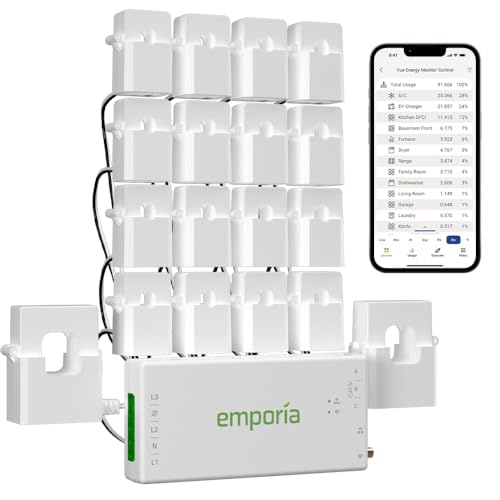
Emporia Vue 3 Home Energy Monitor – Smart Home Automation Module and Real Time Electricity Usage Monitor, Power Consumption Meter, Solar and Net Metering for UL Certified Safe Energy Monitoring
SAFETY YOU CAN TRUST WITH UL CERTIFICATION: With Emporia Energy, your home energy monitoring is safe, reliable, and…
As an affiliate, we earn on qualifying purchases.
As an affiliate, we earn on qualifying purchases.