
TL;DR

Get home appliances delivered free with Prime
- Fast, free delivery on millions of items
- Prime Video, Amazon Music and more included
- Member-only deals all year
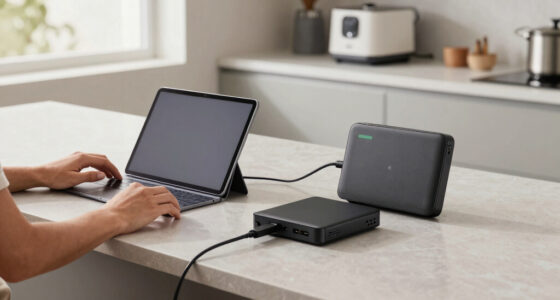
Meta is working on a new, ultralight VR/MR headset codenamed Phoenix, featuring a tethered compute puck and open-periphery design. The device aims for a 2026 release, emphasizing comfort over high-end specs.
Meta is developing a new ultralight mixed reality headset codenamed Phoenix, which will feature a tethered compute puck and an open-periphery design. This device, expected to launch in 2026, marks a shift in Meta’s headset strategy, prioritizing comfort and wearability over high-end specifications.
Multiple sources, including UploadVR and The Wall Street Journal, confirm that Meta is focusing on an ultralight headset with external processing, diverging from the canceled Quest Pro 2. The device, reportedly codenamed Phoenix, will weigh less than 110 grams, achieved by offloading computing and battery functions to a tethered puck, similar to early prototypes described as Puffin.
Meta’s new headset aims to serve mixed reality and VR applications with a focus on virtual screens, productivity, and seated experiences. It will run the same Horizon OS as existing Quest devices but will emphasize comfort and open-periphery visuals. The device is not expected to include controllers, instead relying on eye and hand tracking, as seen in prototypes and Meta’s Orion AR glasses.
While initial reports suggested a 2027 release, recent leaks and reports indicate Meta plans to ship this device in 2026. The device is believed to be part of a broader effort to develop a premium, lightweight headset that could be priced below $1,000, with separate plans for a more traditional Quest 4-style headset possibly arriving in 2027.
Implications of Meta’s Focus on Comfort and Mixed Reality
This development signals a strategic pivot for Meta, emphasizing wearability and user comfort over raw performance or high-end features. The shift reflects industry trends toward lighter, more comfortable headsets that facilitate prolonged use, especially for mixed reality and productivity applications. It also indicates Meta’s long-term commitment to augmented and virtual reality, with a clear focus on open-periphery design and external processing, which could influence future headset designs across the industry.
As an affiliate, we earn on qualifying purchases.
Meta’s VR Strategy and Past Developments
Meta’s VR efforts have historically focused on high-performance headsets like the Quest Pro, but recent internal and external reports reveal a shift toward lighter, more comfortable devices. The canceled Quest Pro 2 and Vision Pro competitors, codenamed La Jolla, prompted Meta to explore alternative approaches, including external compute puck designs. The company’s CTO Andrew Bosworth has publicly emphasized the importance of lightness and wearability, aligning with the development of Phoenix. The project has been in the works since at least 2024, with prototypes like Puffin demonstrating the potential for ultra-light, controller-free mixed reality headsets.
Previous reports from The Information and UploadVR outlined plans for a 2026 release, with prototypes featuring eye and face tracking, and a focus on seated, productivity-oriented experiences. The device’s development aligns with Meta’s broader goal of expanding mixed reality applications and reducing headset weight to improve user adoption.
“Lightness is premium on the headset. It’s more important than a lot of other features. Instead of taking the wins from each generation and pouring it into more features, you can take those wins and pour it into lightness and smallness.”
— Meta CTO Andrew Bosworth
mixed reality headset with eye tracking
As an affiliate, we earn on qualifying purchases.
As an affiliate, we earn on qualifying purchases.
Unconfirmed Details and Development Challenges
While reports indicate a 2026 release, specific details about the final design, features, and pricing remain unconfirmed. It is unclear how Meta will balance performance with the emphasis on lightness, and whether the device will include additional sensors or capabilities beyond eye and hand tracking. The overall reception and adoption of such a novel form factor are also still uncertain, as the industry awaits official announcements and prototypes.
tethered VR headset with external compute puck
As an affiliate, we earn on qualifying purchases.
As an affiliate, we earn on qualifying purchases.
Upcoming Announcements and Prototype Showcases
Meta is expected to provide official updates on Project Phoenix at upcoming industry events or through dedicated product announcements. Prototype testing and user feedback will likely shape the final design, with possible leaks or leaks of hardware details anticipated before the official launch. The company may also reveal related software developments, such as Horizon OS enhancements tailored for the new form factor.
comfortable VR headset for productivity
As an affiliate, we earn on qualifying purchases.
As an affiliate, we earn on qualifying purchases.
Key Questions
When is Meta planning to release Project Phoenix?
Meta aims to release the ultralight headset in 2026, with some reports suggesting a possible launch as early as that year.
What are the main features of Meta’s upcoming headset?
The device will feature an ultralight design, external compute puck, open-periphery visuals, and rely on eye and hand tracking for interaction, focusing on mixed reality and seated experiences.
Will this headset replace the Quest line?
It appears to be a distinct product targeting a different use case—more comfortable, mixed reality-focused, and possibly more expensive—while a traditional Quest 4-style device might arrive in 2027.
How does Project Phoenix compare to Apple Vision Pro?
While both emphasize mixed reality and lightweight design, Phoenix is expected to be more affordable (<$1,000) and focus heavily on open-periphery visuals and external processing, unlike the more integrated Apple Vision Pro.
Source: UploadVR
Columbus Day / Indigenous Peoples' Day Picks
long weekend sales
As an affiliate, we earn on qualifying purchases.