
TL;DR
Google says third-party Matter temperature sensors will work with the fourth-generation Nest Learning Thermostat in an update expected to begin rolling out in December. The sensors will provide readings for monitoring, automations and temperature-based control; Google has not announced an exact release date or support for the base Nest Thermostat.
Google says owners of the fourth-generation Nest Learning Thermostat will soon be able to use compatible third-party Matter temperature sensors for home monitoring and heating or cooling controls. The free update is expected to begin rolling out in December, though Google has not given an exact date.

Get home appliances delivered free with Prime
- Fast, free delivery on millions of items
- Prime Video, Amazon Music and more included
- Member-only deals all year
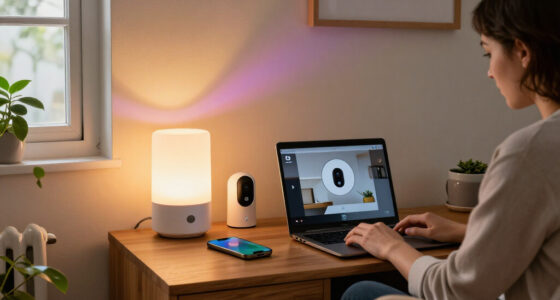
After the update, readings from supported Matter sensors will appear in the Google Home app and can be used as triggers for automations and with Google Home scheduling features. That means a sensor in a bedroom or another frequently used room could inform an automation even if the thermostat itself is elsewhere.
Google’s announcement highlights sensors from IKEA, Eve and Aqara. Examples include IKEA’s TIMMERFLOTTE temperature and humidity sensor, Aqara’s W100 climate sensor, and Eve Weather. The announcement also suggests that other Matter sensors paired with Google Home, including the aare Temperature Sensor, may work, but does not provide a complete compatibility list.
Owners with multiple supported sensors will be able to use readings from different rooms to guide climate control. Google says the thermostat can average temperatures across the home to help determine when to start a heating or cooling cycle. The update also adds preferred temperature readings that can sync across Nest displays, Google smart speakers and mobile apps.
Could Matter sensors work with Nest? What owners need to know
Google plans to add third-party Matter temperature sensors to the fourth-generation Nest Learning Thermostat. The update could let readings from other rooms guide monitoring, automations and climate control.
What the update enables
Sensor readings can inform how Google Home responds to temperatures around the home.
Pair a compatible Matter temperature sensor with Google Home.
View readings in Google Home and use them for automations or scheduling.
Google says readings from multiple rooms can be averaged to help start heating or cooling.
Sensor examples Google named
These products are examples; Google has not published a complete compatibility list.
TIMMERFLOTTE
Measures temperature and humidity.
W100
A climate sensor with a display and control buttons.
Eve Weather
Measures outdoor temperature, humidity and barometric pressure.
Which thermostat is covered?
| Model | Third-party sensor support |
|---|---|
| Fourth-generation Nest Learning Thermostat | ✓ Announced |
| Base Nest Thermostat | ~ Unconfirmed |
Room Readings Can Guide Nest Heating
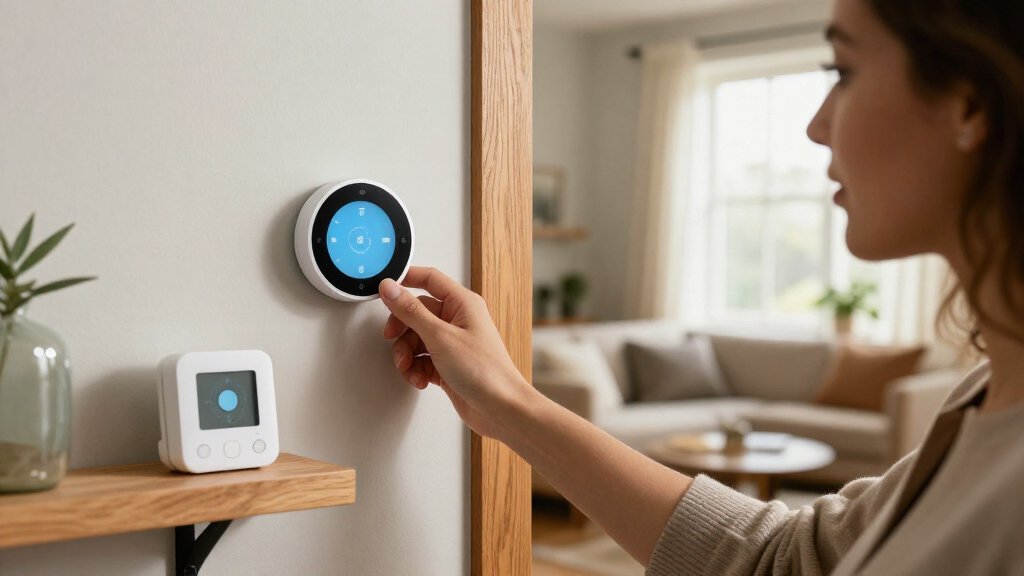
The change could make temperature control more responsive to conditions in rooms people actually use, rather than relying only on the temperature near the thermostat. That may help address common differences between rooms, such as a bedroom that stays cooler than a hallway, by allowing sensor readings from elsewhere in the home to inform heating and cooling decisions.
It also broadens the role of Matter devices in Google Home. Owners who already have compatible sensors may be able to use them with the thermostat instead of relying exclusively on Google’s Nest Temperature Sensors. The practical benefit will depend on which devices Google supports, how users configure their sensors, and how the thermostat applies readings when rooms differ in temperature.
Google’s description covers monitoring, automations, scheduling and temperature-based control. It does not establish that the feature will reduce energy bills or guarantee identical temperatures throughout a home. Those outcomes will depend on the home, the sensor locations and the heating or cooling system.
Products Worth Considering

Samsung 32 Odyssey G5 QHD Gaming Monitor

Bose QuietComfort Headphones (2nd Gen) – Wireless Over-Ear Noise Cancelling Headphones, Eucalyptus Green

LG UltraGear 34-Inch Curved QHD Gaming Monitor, 160Hz, FreeSync Premium
As an affiliate, we earn on qualifying purchases.
Support Is Limited to the Fourth Generation
The announcement applies to the fourth-generation Nest Learning Thermostat, which supports Matter. Google’s more affordable base Nest Thermostat also supports Matter, but the announcement does not say it will receive third-party temperature sensor support. The distinction matters: Matter compatibility on a thermostat does not, by itself, confirm that every Matter feature will be available on that model.
Google already offers its own Nest Temperature Sensors for compatible thermostat use. The announced update extends the thermostat’s sensor options to third-party products that can connect through Google Home. Matter is designed to support devices across smart-home platforms, but actual compatibility can still depend on a device, its connection and the features implemented by each platform.
The examples named by Google span different types of products. IKEA’s TIMMERFLOTTE measures temperature and humidity and uses Matter over Thread; Aqara’s W100 includes a display and control buttons; Eve Weather measures outdoor temperature, humidity and barometric pressure. Google’s announcement focuses on using temperature readings, not on bringing every feature of those products into thermostat controls.
“Third-party Matter temperature sensor support will begin rolling out in December.”
— Google Home blog
Compatibility and Rollout Details Await
Google has not announced an exact rollout date, and it is not clear whether the update will reach all eligible thermostats at once or arrive in stages. The company has also not published a full list of compatible sensors or detailed how users will select which rooms or readings take priority.
Support for the base Nest Thermostat remains unconfirmed; the announcement identifies the fourth-generation Learning Thermostat as the supported model. It is also unclear whether every sensor paired with Google Home will expose its temperature reading for thermostat control, or whether compatibility will be limited to specific devices and configurations. The listed brands are examples, not a complete guarantee for all Matter products.
Google has not described the precise logic for averaging sensor readings or explained how the thermostat will handle sensors that report substantially different temperatures. The announcement does not make claims about energy savings, improved comfort in every home or support for non-temperature measurements such as humidity and barometric pressure.
December Rollout Is the Next Milestone
Google expects the free update to start rolling out in December. Once it becomes available, users will be able to find it through the Google Home app or the thermostat’s on-device Settings menu, according to the announcement. Google has not supplied a more precise date.
Owners of the fourth-generation model can check Google Home and the thermostat’s settings for the update, then pair supported Matter sensors and review their readings and automation options. Further details from Google should clarify the final compatibility list, rollout timing and whether other Nest thermostat models will be included.
Source: rss
Key Questions
Which Nest thermostat is getting Matter temperature sensor support?
Google announced support for the fourth-generation Nest Learning Thermostat. The announcement does not confirm support for the base Nest Thermostat.
When will the update arrive?
Google expects the rollout to begin in December, but has not announced an exact date.
Which Matter sensors are expected to work?
Google named products from IKEA, Eve and Aqara, including TIMMERFLOTTE, Eve Weather and Aqara’s W100. A complete compatibility list has not been published.
What can the thermostat do with the sensor readings?
Readings will be available in Google Home and can be used for automations and scheduling. Google says multiple sensors can inform climate control through an average of temperatures across the home.
Will the feature cost extra?
No. Google says the update will be available free of charge.
Source: matteralpha.com