TL;DR
A hobbyist has successfully constructed a 1:150 scale Toyota ProBox remote control car featuring working lights and steering. The project uses miniature gears from mechanical watches and infrared control, demonstrating advanced craftsmanship. This development showcases possibilities for highly detailed miniature vehicles with functional features.
A hobbyist has constructed a 1:150 scale Toyota ProBox remote control car that features working lights, steering, and drive functions, demonstrating advanced miniature craftsmanship. This project highlights the possibilities for highly detailed, functional scale models and may inspire further hobbyist innovations.
The project involves converting a 1:150 scale Toyota ProBox model into a remote-controlled vehicle with a compact electronics setup. It uses a tiny 25 mAh Li-polymer battery, two small motors for steering and driving, and salvaged watch gears for gear reduction, all controlled via infrared using a small SMD IR receiver module. The hobbyist installed lighting features, including headlamps, tail lights, blinkers, and stop lights, which are operational during the demonstration. The control system is managed by an MCU accessible via bottom-mounted terminals for programming and charging.
The project was showcased in a video where the miniature car drives around, demonstrating its steering, lighting, and movement capabilities. Schematics and software links are provided, encouraging others to replicate or expand upon the build. The effort exemplifies a high level of detail and technical skill in scale model customization.
Implications for Advanced Scale Model Hobbyists
This project demonstrates that highly detailed, functional miniature vehicles are achievable with accessible components like watch gears and IR control modules. It expands the potential for hobbyists to create realistic, operational scale models, which could influence future projects in scale modeling, educational demonstrations, or even miniature showcases. The integration of lighting and steering adds a new dimension of realism, making such models more immersive and technically impressive.

Pica Toys Wireless Remote Control Car Kit F1, Science Project Kit for Kids/Students/Education, STEM Project Model Car Kits to Build, Ideal Choice for Family and School
DIY Building: The F1 car kit requires assembly, which is a fun and challenging science kit for children…
As an affiliate, we earn on qualifying purchases.
As an affiliate, we earn on qualifying purchases.
Background on Miniature RC Vehicle Conversions
Previous efforts in miniature RC cars have focused on basic movement or simple remote control systems. The recent trend involves integrating detailed electronics and mechanical components from various sources, including mechanical watches, to enhance realism and functionality. The use of IR control and miniature gear systems has become more accessible, enabling hobbyists to push the boundaries of scale model complexity. This particular project builds on prior work by incorporating multiple operational features into a tiny, highly detailed model, reflecting ongoing innovation in the hobbyist community.
“Using salvaged watch gears and IR control, this build achieves a level of detail and functionality previously thought impractical at this scale.”
— an anonymous researcher
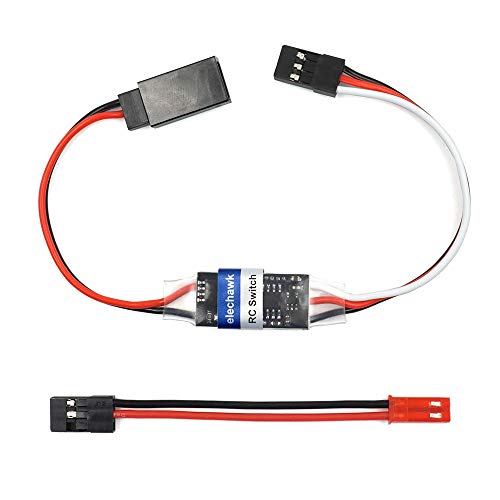
RC Remote Controlled AUX on/Off Electronic Switch Relay for Car Truck Boat LED Light Drone (4A)
Package include a RC switch and a JST to futaba/JR adapter. This RC switch can be connected to…
As an affiliate, we earn on qualifying purchases.
As an affiliate, we earn on qualifying purchases.
Unclear Aspects of Long-Term Durability and Control Range
It is not yet clear how durable the miniature components are over extended use or how well the IR control performs in different environments. Details about the vehicle’s battery life, range, and potential for scaling up features remain unconfirmed. Further testing is needed to assess the practicality of such detailed models for regular use or display.

Flever 17 Pcs Gundam Model Tools Kit, Hobby Building Tools Kit, Basic Model Assembly Tool Set for Dollhouse Miniature Building and Fixing Robots, Airplane, Cars
【Ideal for Amateur Miniature Models and Handicrafts】This basic model-making tool set is suitable for both beginners and advanced…
As an affiliate, we earn on qualifying purchases.
As an affiliate, we earn on qualifying purchases.
Potential for Expanded Features and Community Projects
Future developments may include integrating more sensors, expanding control options, or improving power management. The hobbyist community might adopt similar techniques to create more complex models with autonomous features or remote operation via alternative methods like Bluetooth. The project sets a precedent for more ambitious miniature RC builds, with plans for public sharing of schematics and software to encourage wider participation.

Bemaka 540Pcs RC Screw Kit, Universal Hardware Fasteners with Screws, Nuts, Washers, Clips, O-Rings & Pins, Fit for 1/8 1/10 1/12 1/16 Scale RC Crawler Truck Buggy Car Repair Replacement Parts
Our RC screws kit includes various specifications to meet assembly needs of different parts. RC hardware kit can…
As an affiliate, we earn on qualifying purchases.
As an affiliate, we earn on qualifying purchases.
Key Questions
How small is the scale of this RC car?
The car is built at a 1:150 scale, meaning it is approximately 1.5 centimeters long, depending on the original vehicle size.
What components are used to control the miniature car?
The car uses an infrared (IR) remote control system with a tiny SMD IR receiver module, and its electronics are powered by a small 25 mAh Li-polymer battery. The steering and drive functions are managed by miniature motors and gear systems sourced from mechanical watches.
Can this project be replicated by hobbyists?
Yes, schematics and software links are provided, making it accessible for hobbyists interested in building similar detailed miniature RC cars. However, it requires precision assembly and some mechanical and electronic skills.
What are the limitations of this miniature RC car?
Potential limitations include battery life, control range, and durability of the tiny mechanical parts. Further testing is needed to determine its practical use beyond demonstration.
Are there plans to add autonomous features?
Current information does not indicate plans for autonomous capabilities, but future projects could explore integrating sensors or microcontrollers for such functions.
Source: Hackaday