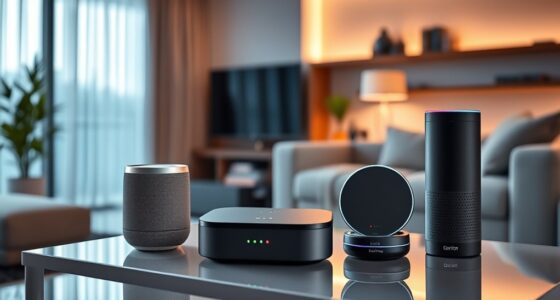
When upgrading your smart home, check if your old devices still work and consider repurposing them for other uses like media playback or security monitoring. If they’re no longer useful, look for manufacturer take-back programs or local e-waste recycling centers to dispose of them responsibly. Donating functional gadgets can give them a second life and help nearby communities. To discover more ways to handle your old devices sustainably, keep exploring different options.
Key Takeaways
- Assess device functionality to determine if they can be reused, repurposed, or need recycling.
- Donate functional devices to schools, nonprofits, or community programs to extend their lifespan.
- Utilize manufacturer take-back programs and certified e-waste recyclers for proper disposal.
- Reprogram or refurbish devices to give them a second life, reducing electronic waste.
- Research local recycling centers and community events to responsibly dispose of outdated smart home gadgets.
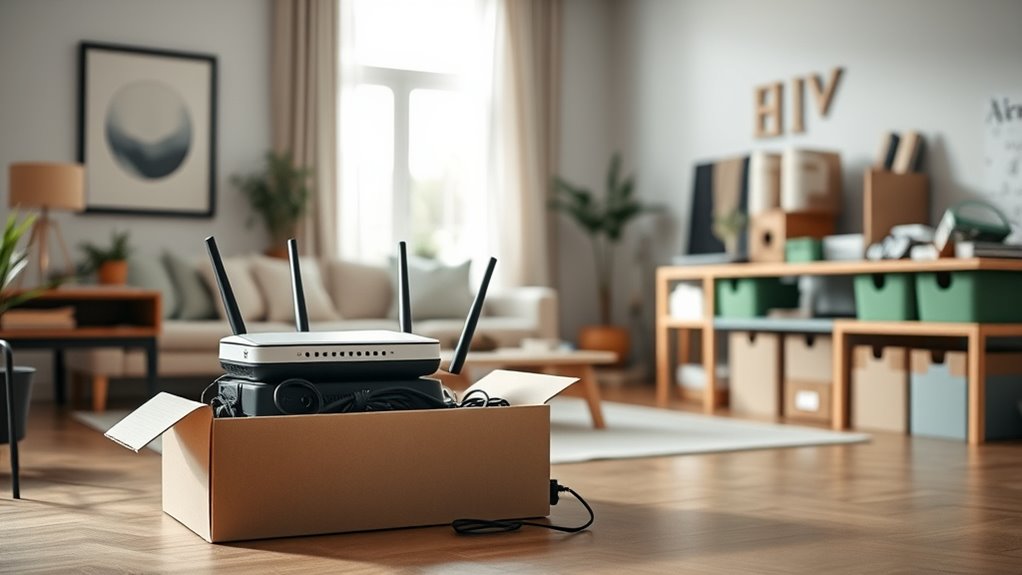
Upgrading your smart home can markedly enhance convenience, security, and energy efficiency. But as you replace old devices with newer models, it’s essential to contemplate what to do with your outdated gadgets. Properly recycling or reusing these devices not only helps the environment but can also free up space and even provide opportunities for others to benefit from your used tech. Before tossing your old devices in the trash, take a moment to evaluate the options available, as many manufacturers and communities have established sustainable programs.
First, check if your device is still functional. If it is, consider repurposing it. For example, an old smart speaker could serve as a dedicated security monitor or a dedicated media player in a different room. Smart hubs and controllers can sometimes be repurposed for other smart devices, extending their lifespan and usefulness. If you’re tech-savvy, you might reprogram or refurbish your devices to serve different functions, giving them a second life instead of ending up in a landfill. This approach not only saves you money but also minimizes electronic waste.
If your device is no longer usable or outdated beyond repair, look into recycling options. Many electronics manufacturers and retailers offer take-back programs, allowing you to send in your old devices for proper disposal. These programs ensure that hazardous materials, like batteries and circuit boards, are handled safely and that valuable materials are recovered for reuse. Research local e-waste recycling centers or community collection events, which often accept a broad range of electronic devices. Avoid throwing gadgets into regular trash, as they contain components that can contaminate soil and water if not disposed of properly.
Another way to give your old smart devices a second chance is through donation. Schools, non-profits, and community centers frequently seek functional electronics for educational programs or community projects. Check with local charities or online platforms dedicated to electronics reuse. Donating not only keeps devices out of landfills but also helps bridge the digital divide by providing technology to those who need it most.
Additionally, considering the contrast ratio of your old projector can help determine whether it still provides a satisfactory viewing experience or if upgrading might be necessary for your home cinema setup.
Finally, if you’re unsure about how to safely dispose of or recycle your devices, consult manufacturer websites or government resources. Many offer guidelines and lists of certified e-waste recyclers. By taking these steps, you contribute to a more sustainable environment, reduce electronic waste, and ensure your old devices are either reused, repurposed, or properly recycled. Upgrading your smart home doesn’t have to mean creating new waste—there are many responsible ways to handle your old tech while still enjoying the benefits of your new devices.

3D Printer Extruder Machine, Desktop Digital Temperature Control, Home PET Bottle Recycling Device for DIY Makers & Small Studios – Eco-Friendly Filament Production
Transform your creativity with our Plastic Recycling Kit! Perfect for DIY projects, this innovative material allows you to…
As an affiliate, we earn on qualifying purchases.
As an affiliate, we earn on qualifying purchases.
Frequently Asked Questions
How Can I Identify Devices Suitable for Reuse?
You can identify devices suitable for reuse by checking if they still function properly and meet your current needs. Look for devices with minimal damage, compatible software, and recent firmware updates. Test key features like connectivity and responsiveness. If they operate smoothly without glitches, they’re good candidates. Also, consider whether you have the necessary accessories to support them. Reusing devices saves money and reduces electronic waste, making it a smart choice.
Are There Specific Recycling Programs for Smart Home Gadgets?
Yes, there are specific recycling programs for smart home gadgets. You can look for manufacturer take-back programs or certified e-waste recycling centers in your area. Many electronics retailers also offer recycling services for old devices. Before recycling, make sure you wipe personal data. Participating in these programs helps prevent e-waste buildup and ensures your devices are disposed of responsibly, protecting both the environment and your privacy.
What Safety Precautions Should I Take When Recycling Electronics?
You should always wear gloves and eye protection when recycling electronics to avoid exposure to hazardous materials. Make sure to disconnect devices from power sources and remove batteries, especially lithium ones, to prevent fires. Handle components carefully to avoid damaging internal parts. Check local recycling guidelines, and use certified e-waste facilities to guarantee safe disposal. These precautions keep you safe and protect the environment from harmful substances.
Can Old Devices Be Repurposed for New Functions?
Yes, you can repurpose old devices for new functions. For example, turn an old smartphone into a security camera or a dedicated music player. Use spare parts like screens and batteries for DIY projects or repairs. You might also install custom software or operating systems to extend their utility. By thinking creatively, you maximize your device’s value and reduce electronic waste, giving your old gadgets a second life.
How Does Recycling Impact Data Security and Privacy?
Recycling old devices can pose data security and privacy risks if you don’t wipe them properly. When you recycle, you might leave sensitive information behind, which hackers could access. To protect yourself, make certain you perform a factory reset or data wipe before recycling. This clears your personal data, keeping your privacy intact and preventing misuse of your information by others.
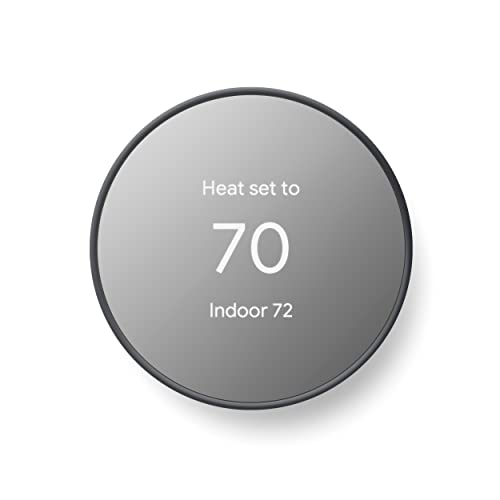
Google Nest Thermostat – Smart Thermostat for Home – Programmable Wifi Thermostat – Charcoal (Renewed)
C-wire (common wire) may be required for installation. Please check your existing wiring or consult a professional before…
As an affiliate, we earn on qualifying purchases.
As an affiliate, we earn on qualifying purchases.
Conclusion
When upgrading your smart home, don’t forget to recycle or repurpose old devices. For example, turning an outdated smart thermostat into a weather station by repurposing its sensors can save money and reduce waste. By rethinking how you reuse your old gadgets, you not only stay eco-friendly but also get creative with your tech. So, before tossing that old device, consider its second life—your efforts can make a real difference.

Smart Home Starter Kit | Includes Echo Hub, Amazon Smart Plug and 4 Amazon Basics Smart Bulbs, Designed for Alexa+
Getting started with smart home has never been easier – An all-in-one kit with a quick guided setup…
As an affiliate, we earn on qualifying purchases.
As an affiliate, we earn on qualifying purchases.
e-waste recycling centers near me
As an affiliate, we earn on qualifying purchases.
As an affiliate, we earn on qualifying purchases.