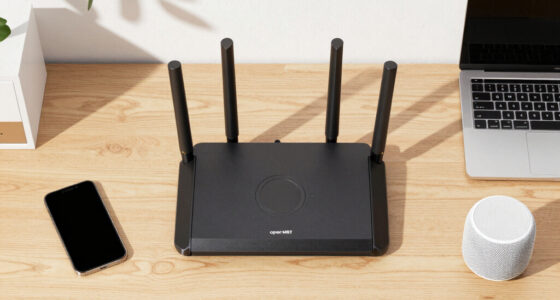
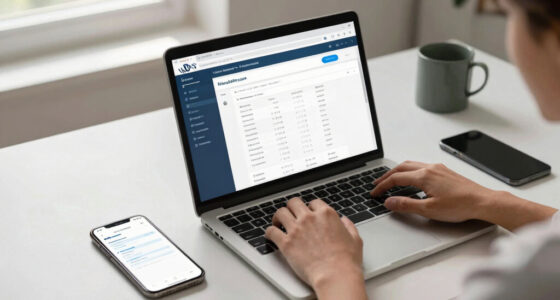
To maintain balance with smart home tech, set intentional unplugging times during the day, like during meals or before bed. Simplify your setup by removing unnecessary devices and disabling non-essential notifications. Create tech-free zones in your home to promote mindfulness and relaxation. Regularly evaluate your relationship with your devices and adjust boundaries as needed. If you want to discover more effective strategies to keep digital overload in check, keep exploring ways to disconnect thoughtfully.

Get home appliances delivered free with Prime
- Fast, free delivery on millions of items
- Prime Video, Amazon Music and more included
- Member-only deals all year
Key Takeaways
- Set specific times during the day for tech-free periods, such as meals or before bedtime.
- Regularly review and disable non-essential smart devices and notifications to reduce digital clutter.
- Create designated tech-free zones in your home to encourage mindfulness and face-to-face interactions.
- Simplify your smart home setup by disconnecting unnecessary devices and turning off non-critical alerts.
- Continuously evaluate your relationship with technology and adjust boundaries to maintain a healthy balance.

In today’s increasingly connected world, smart home technology offers convenience and efficiency, but it can also lead to digital fatigue if you’re not careful. When your devices are constantly at your fingertips, it’s easy to feel overwhelmed or disconnected from the present moment. To maintain a healthy balance, it’s essential to recognize when it’s time to unplug and step back from the digital world. Doing so doesn’t mean giving up the benefits of smart tech; instead, it’s about setting boundaries that protect your mental and emotional well-being.
Start by establishing designated tech-free periods during your day. For example, you might decide to turn off your smart devices during meals or an hour before bed. This helps you reconnect with your surroundings and the people around you, fostering genuine interactions rather than distracted responses. When you’re aware of these boundaries, you’re less likely to feel tethered to constant notifications or alerts that can drain your energy and focus. Creating a routine that includes regular unplugging can significantly reduce the sense of digital overload and help you regain control over your time.
Establish tech-free times to reconnect and reduce digital overload for better focus and genuine interactions.
Another effective strategy involves intentionally simplifying your smart home setup. Review the devices you use most often and ask yourself if they truly add value or just contribute to clutter and distraction. Sometimes, disconnecting a device or turning off unnecessary notifications can make a big difference. For example, disabling app alerts that aren’t critical or removing a smart device that no longer serves a purpose can declutter your digital life. Less digital noise means fewer interruptions and a greater sense of calm.
It’s also helpful to designate certain areas in your home as tech-free zones. By creating spaces where smart devices are not allowed, you encourage mindfulness and presence. These spaces become your sanctuary for relaxation, conversation, or simple reflection without the constant ping of notifications. Over time, these zones serve as a physical reminder to disconnect and focus on the here and now, helping you restore balance in your daily routine. Recognizing the importance of digital boundaries can foster better mental health and overall well-being.
Finally, remember that unplugging isn’t a one-time event but an ongoing practice. Regularly evaluate your relationship with your smart home tech and adjust your boundaries as needed. It’s about finding a rhythm that allows you to enjoy the benefits of technology without letting it dominate your life. By consciously making time to disconnect, you’ll foster a healthier, more balanced relationship with your digital environment—one that supports your well-being and keeps you grounded in the moments that truly matter.
smart home device disconnection tools
As an affiliate, we earn on qualifying purchases.
As an affiliate, we earn on qualifying purchases.
Frequently Asked Questions
How Can I Prevent Smart Home Devices From Tracking My Activities?
You can prevent your smart home devices from tracking your activities by adjusting privacy settings, turning off data sharing features, and disabling voice recognition when not in use. Regularly review permissions on each device and update firmware to enhance security. Using a separate network for smart devices also helps isolate your activity. Consider disconnecting or unplugging devices when you don’t need them to further protect your privacy.
What Are the Best Ways to Set Boundaries With Smart Home Technology?
You can set boundaries with your smart home devices by creating clear schedules and turning off features when not needed. Use privacy settings to limit data collection, and designate specific times for device use to avoid constant connectivity. Keep some devices offline or unplugged during personal or restful moments. This balance helps you enjoy the convenience without sacrificing your privacy or mental space, giving you control over your digital environment.
How Do I Disconnect Devices Without Affecting Home Security?
To disconnect devices without compromising your home security, start by disabling or pausing non-essential smart devices through their app settings. Next, set your security systems and cameras to operate independently of internet-connected devices, or use backup power sources if available. Always guarantee critical security features, like alarms and surveillance, remain active. Regularly review your device settings to maintain security while unplugging or disconnecting non-critical gadgets.
Can I Schedule Smart Device Usage to Promote Unplugging?
Yes, you can schedule your smart devices to encourage unplugging. By setting specific times for devices to turn on and off, you create a healthy boundary between technology and downtime. This way, you enjoy the convenience of automation while promoting balance. Use your app’s scheduling features to align device usage with your daily routine, ensuring you unplug when you need a break without sacrificing security or comfort.
What Are Signs of Tech Overuse in a Smart Home Environment?
You might notice signs of tech overuse like feeling overwhelmed or anxious when devices are off, struggling to focus, or missing out on real-life interactions. If you find yourself constantly checking screens, experiencing sleep issues, or neglecting outdoor activities, it’s time to cut back. Pay attention to your mood and energy levels—if they dip, consider unplugging more often to restore balance and improve your well-being.
smart home notification management
As an affiliate, we earn on qualifying purchases.
As an affiliate, we earn on qualifying purchases.
Conclusion
Remember, smart home tech is like a trusty ship—it can guide you smoothly or, if overused, leave you adrift. By unplugging when needed and setting boundaries, you keep your life sailing steady and your mind clear. Balance isn’t about abandoning technology; it’s about steering it wisely. Embrace moments of unplugged peace as anchors that keep you centered. When you find that sweet spot, you’ll navigate your digital world with confidence and calm.
As an affiliate, we earn on qualifying purchases.
As an affiliate, we earn on qualifying purchases.
NFL season / tailgating Picks
team gear
As an affiliate, we earn on qualifying purchases.