
TL;DR
A researcher has modified a commercially available ESP32 smart bulb to serve as a local web server hosting banned books. This development highlights potential uses of IoT devices for circumventing censorship, though it remains a proof of concept.
A researcher has successfully converted a commercial ESP32-based smart bulb into a local web server hosting banned books, illustrating how IoT devices can be repurposed for unauthorized content sharing. This development raises questions about the security of connected devices and the potential for misuse in digital censorship efforts.
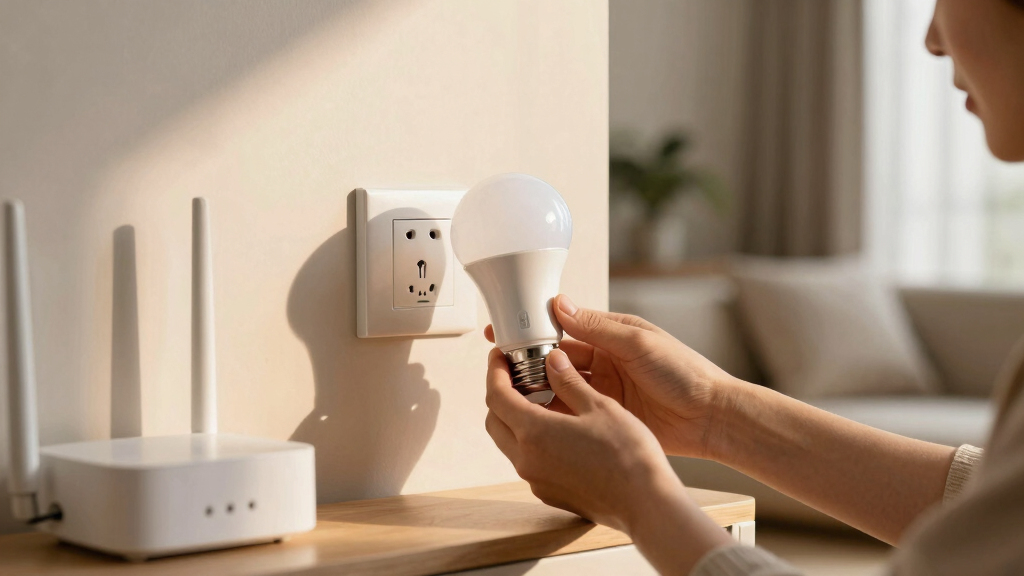
The hack involved disassembling a commercially available ESP32 smart bulb to access its internal components. The researcher managed to carve out enough space to install a web server that hosts a small library of e-books, including titles pulled from U.S. school libraries that have been banned or removed. The device broadcasts a public Wi-Fi network with a captive portal, allowing users to browse and download the books directly from the bulb.
Due to hardware limitations, the setup only supports around four megabytes of data, restricting the number of books stored. Despite this, the project demonstrates a proof of concept for using IoT devices as covert content servers. The bulb retains its original lighting function and can still be controlled as a smart light, blending functionality with clandestine content hosting.
Implications for IoT Security and Digital Censorship
This development highlights the potential for IoT devices to be used for purposes beyond their intended functions, including hosting unauthorized or banned content. It raises concerns about the security vulnerabilities of connected devices, which can be exploited for covert operations or censorship circumvention. The hack also underscores the importance of manufacturers implementing robust security measures to prevent unauthorized modifications.

ELEGOO ESP-32 Super Starter Kit with Tutorial and Development Board USB-C Dual Core Microcontroller Support AP/STA/AP+STA, CP2102 Chip Compatible with Arduino IDE
- Powerful ESP-32 Board: Dual-core processor with Wi-Fi and Bluetooth 4.2
- Extensive Starter Kit: Over 35 modules including sensors, displays, and motors
- Beginner-Friendly Tutorials: 30+ projects with code and circuit diagrams
As an affiliate, we earn on qualifying purchases.
As an affiliate, we earn on qualifying purchases.
Emerging Uses of IoT Devices for Content Hosting
In recent years, hackers and hobbyists have demonstrated various ways to repurpose IoT devices, such as smart speakers, routers, and light bulbs, for hosting websites, servers, or digital libraries. The use of a smart bulb as a web server is a novel example, illustrating the increasing versatility of low-cost, embedded devices. This particular hack is part of a broader trend of exploiting IoT vulnerabilities for activism, privacy, or censorship-busting efforts.
“Transforming a smart bulb into a web server hosting banned books shows both the flexibility of IoT devices and the potential security risks involved.”
— an anonymous researcher
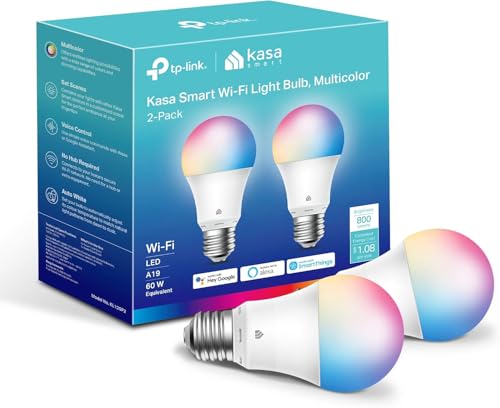
Kasa Smart Light Bulbs, Full Color Changing Dimmable Smart WiFi Bulbs Compatible with Alexa and Google Home, A19, 60 W 800 Lumens,2.4Ghz only, No Hub Required, 2-Pack (KL125P2), Multicolor
- Color Options: 16 million colors and adjustable whites
- Automatic White Adjustment: Matches natural light from dawn to dusk
- Voice Control: Compatible with Alexa and Google Assistant
As an affiliate, we earn on qualifying purchases.
As an affiliate, we earn on qualifying purchases.
Extent of Security Risks and Legal Implications
It is not yet clear how easily this hack could be replicated on other smart bulbs or IoT devices. The legal implications of hosting or sharing banned content via such devices remain uncertain, as do potential responses from manufacturers or authorities. The actual security vulnerabilities exploited are still being analyzed, and whether this could lead to broader malicious uses is unknown.

Practical IoT Hacking: The Definitive Guide to Attacking the Internet of Things
As an affiliate, we earn on qualifying purchases.
As an affiliate, we earn on qualifying purchases.
Potential Responses from Manufacturers and Community
Manufacturers may issue security patches or restrict access to hardware interfaces to prevent similar modifications. Researchers and security experts are likely to analyze this hack further, possibly developing guidelines for securing IoT devices. The community may also explore the use of IoT hardware for activism or educational purposes, balancing innovation with security concerns. Monitoring for similar exploits and assessing their impact will be ongoing.

WYZE Accessory Bulb (WYZE Bulb Cam Required), Dimmable 800 Lumens LED Bulb, Soft White 3000K, E26 Base, Bluetooth Connection only (no Wi-Fi Connection)
- Bright LED Bulb: 800 lumens, soft white 3000K
- Dimmable Lighting: Adjust brightness to your preference
- E26 Base: Standard socket compatibility
As an affiliate, we earn on qualifying purchases.
As an affiliate, we earn on qualifying purchases.
Key Questions
Can this hack be easily replicated on other smart bulbs?
It is currently unclear how easily this specific modification can be applied to other devices, as hardware variations and security measures differ among models.
Does hosting banned books on a smart bulb violate any laws?
The legality depends on local laws regarding banned content and unauthorized device modifications. The hack itself is a technical demonstration and does not necessarily imply illegal activity.
What are the security risks of repurposing IoT devices in this way?
Such modifications can expose devices to vulnerabilities, potentially allowing malicious actors to take control or use them for illegal activities. Manufacturers’ security measures aim to prevent this, but hacking demonstrates the need for ongoing vigilance.
Could this hack be used maliciously?
While the current demonstration is benign, similar techniques could be exploited for malicious purposes, such as hosting harmful content or creating covert communication channels. Security experts advise caution and responsible use.
Source: Hackaday