
TL;DR
Listen free for 30 days with Audible
Thousands of audiobooks and originals — cancel anytime.
Start your free trialAs an affiliate, we earn on qualifying purchases.
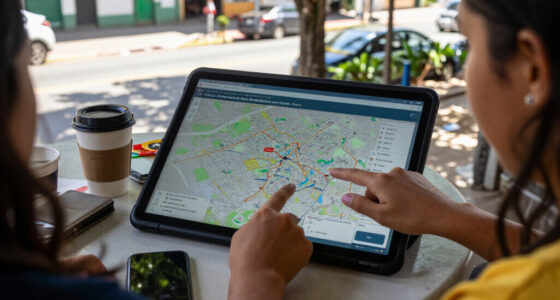
A recent report by Cumhuriyet has ranked Istanbul neighborhoods based on quality of life, revealing significant disparities. The report identifies which areas are the most and least livable, raising questions about urban development and social inequality.
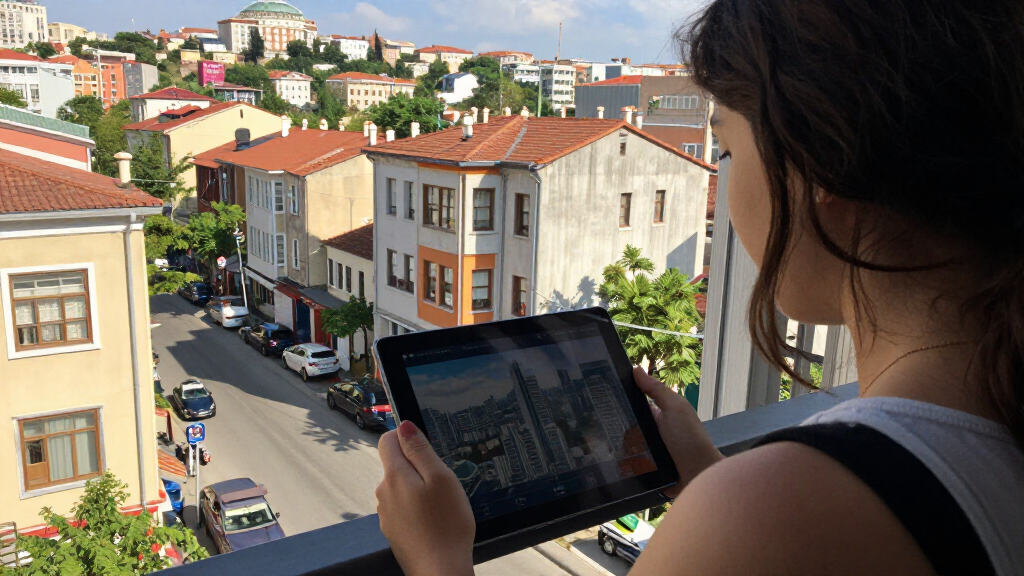
Cumhuriyet has published a ranking of Istanbul neighborhoods based on quality of life, identifying the districts with the highest and lowest scores. The report highlights significant disparities across the city, emphasizing ongoing concerns about urban inequality and infrastructure development. This ranking provides a new perspective on living conditions in Istanbul, a city known for its rapid growth and demographic diversity.
The report, based on a comprehensive assessment of factors such as infrastructure, access to services, safety, environmental quality, and social amenities, ranks neighborhoods across Istanbul. According to Cumhuriyet, the districts with the highest quality of life include areas such as Beşiktaş, Şişli, and Kadıköy, which are characterized by better infrastructure, cultural amenities, and safety. Conversely, districts like Esenler, Güngören, and Sultanbeyli are identified as having the lowest quality of life, with issues including inadequate infrastructure, higher crime rates, and limited access to public services.
Sources from Cumhuriyet indicate that the ranking was compiled through a combination of official data, surveys, and expert assessments. The report aims to shed light on the uneven development within Istanbul, which has seen rapid urbanization over the past decades. Officials and urban planners are now being called upon to address these disparities, especially in districts with lower scores, to improve living standards and social cohesion.
While the report’s methodology and specific scoring criteria are detailed in the publication, some officials and residents have expressed surprise at certain rankings, suggesting that the disparities may be even more pronounced in practice. The report also notes that socioeconomic factors heavily influence quality of life, with wealthier districts enjoying better infrastructure and services, while poorer districts face ongoing challenges.
Implications for Urban Inequality and Policy
This ranking underscores the persistent inequalities within Istanbul, a city with a population exceeding 15 million. The disparities in quality of life reflect broader issues of urban planning, social inequality, and resource distribution. For residents, this means that where they live can significantly impact their daily experiences, access to opportunities, and overall well-being. Policymakers and urban planners are now under increased scrutiny to address these gaps and promote more equitable development across districts.
Understanding which neighborhoods are most and least livable can inform targeted interventions, resource allocation, and future urban policies. The report also raises awareness about the importance of sustainable urban growth that balances development with social equity, especially as Istanbul continues to grow rapidly.
Istanbul neighborhood safety alarm
As an affiliate, we earn on qualifying purchases.
As an affiliate, we earn on qualifying purchases.
Growing Urban Disparities in Istanbul’s Rapid Expansion
Istanbul has experienced rapid urbanization over the last few decades, transforming from a historic city into a sprawling metropolis. This growth has often been uneven, with certain districts benefiting from investments in infrastructure, cultural institutions, and commercial development, while others have lagged behind. Previous studies and reports have highlighted issues such as traffic congestion, pollution, and social inequality, but detailed rankings based on quality of life are less common.
The current report by Cumhuriyet is part of a broader trend of increased public and media interest in urban inequality, especially amid ongoing debates about housing affordability, infrastructure investment, and social services. The disparities are also reflected in real estate prices, access to education and healthcare, and safety levels, which tend to cluster along socioeconomic lines.
While the report does not specify exact causes for the disparities, experts point to historical development patterns, investment priorities, and demographic shifts as contributing factors. The ranking aims to provide a clearer picture of where improvements are most urgently needed, especially in districts with persistent challenges.
As an affiliate, we earn on qualifying purchases.
Methodology and Data Transparency Questions
Details regarding the specific methodology and data sources used in the ranking are not fully disclosed. It is unclear how comprehensive or objective the assessment criteria are, and whether all districts were evaluated equally. Some critics question the transparency of the scoring process and whether the rankings accurately reflect residents’ lived experiences.
Furthermore, the report does not specify if the rankings are updated regularly or based on static data, raising questions about their current relevance and reliability. These uncertainties mean that while the rankings provide useful insights, they should be interpreted with caution until further methodological details are available.
public service access guide Istanbul
As an affiliate, we earn on qualifying purchases.
As an affiliate, we earn on qualifying purchases.
Policy Responses and Future Urban Planning
City officials and urban planners are expected to review the report and consider targeted measures to address disparities, especially in districts identified as having the lowest quality of life. Potential actions include infrastructure investments, social programs, and safety improvements. Public discussions and community engagement are likely to increase as residents and advocacy groups push for more equitable urban development.
Additionally, future updates of the ranking could influence electoral debates and policy priorities, encouraging a focus on social equity and sustainable growth. Researchers and civil society organizations may also conduct further studies to verify and expand upon these findings, aiming to promote more inclusive urban policies in Istanbul.
environmental quality monitoring device
As an affiliate, we earn on qualifying purchases.
As an affiliate, we earn on qualifying purchases.
Key Questions
How were the neighborhoods ranked in the report?
The report used a combination of official data, surveys, and expert assessments to evaluate factors like infrastructure, safety, access to services, and environmental quality across districts.
Which districts are considered the most livable?
According to the report, districts such as Beşiktaş, Şişli, and Kadıköy scored highest in quality of life due to better infrastructure, safety, and amenities.
Why are some districts ranked lower?
Lower-ranked districts like Esenler, Güngören, and Sultanbeyli face challenges including inadequate infrastructure, higher crime rates, and limited access to public services.
Are these rankings official or subjective?
The rankings are based on a combination of data and assessments, but some details about the methodology remain undisclosed, which raises questions about their objectivity and accuracy.
What impact could this report have?
The report could influence policy decisions, resource allocation, and public awareness, potentially leading to targeted efforts to improve living conditions in lower-ranked districts.
Source: local
NFL season / tailgating Picks
team gear
As an affiliate, we earn on qualifying purchases.