Choosing between a smart TV and a streaming device depends on your current setup and preferences. If your TV is new and has a solid smart platform, sticking with it offers a simple, integrated experience. However, if your existing TV is outdated or lacks smart features, a streaming device provides better app support, performance, and flexibility at a lower cost. To find out which option best fits your needs, explore the details ahead.

Get home appliances delivered free with Prime
- Fast, free delivery on millions of items
- Prime Video, Amazon Music and more included
- Member-only deals all year
Key Takeaways
- Choose a Smart TV if you want an all-in-one setup with integrated streaming and a simple interface.
- Opt for a Streaming Device if your TV lacks smart features, for more app options, and frequent updates.
- Smart TVs are ideal for newer models with built-in smart platforms; streaming devices suit older or non-smart TVs.
- Streaming devices often offer better performance, customization, and broader app support than most Smart TVs.
- Consider your budget, existing TV, and desire for quick updates when deciding between a Smart TV and a Streaming Device.
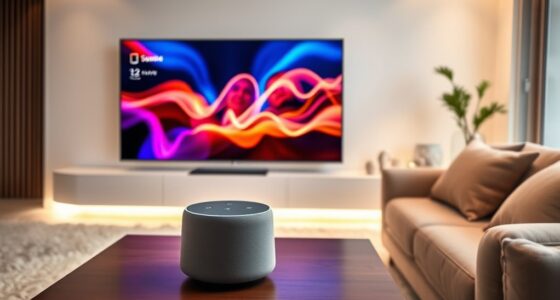
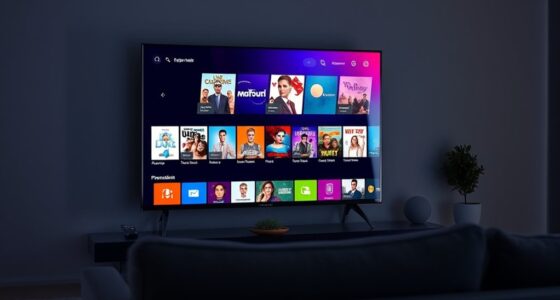
Are you wondering whether to choose a Smart TV or a streaming device for your home entertainment? If so, you’re not alone. Both options can deliver excellent streaming experiences, but understanding their differences can help you make the best choice. A Smart TV is fundamentally a television with built-in internet connectivity and apps. It combines the traditional TV functions with the ability to stream content directly from platforms like Netflix, Hulu, or YouTube. If you prefer a clean, all-in-one setup without extra devices cluttering your space, a Smart TV might appeal to you. Plus, with a Smart TV, you get a large screen with a built-in interface designed for ease of use. However, Smart TVs can sometimes be slower to update and may have limited app options or less frequent software support, especially if the manufacturer’s updates are sporadic.
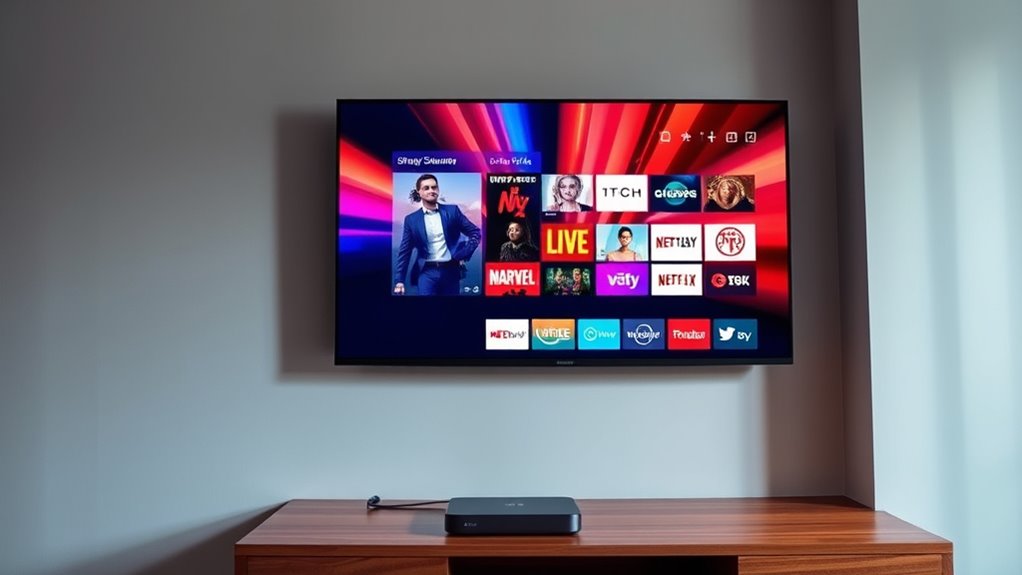
On the other hand, streaming devices are small, dedicated gadgets you connect to your existing TV via HDMI. Popular options like Roku, Amazon Fire TV, or Apple TV are designed specifically for streaming and often provide more frequent updates, better app selections, and a smoother interface. They tend to be more flexible, letting you upgrade your streaming experience without replacing your entire TV. If your current TV is a few years old or lacks a good smart platform, a streaming device can breathe new life into it. Additionally, streaming devices often come with features like voice control, better remote controls, and higher compatibility with various apps and services. They also tend to be more affordable than replacing your entire TV with a new Smart TV.
Moreover, choose a streaming device if you want to leverage performance fundamentals and customization options to enhance your viewing experience. When deciding, consider your current setup and how you prefer to watch. If your TV is relatively new and has a good smart platform, sticking with it could be simpler and more seamless. But if your TV is outdated or you want more options and faster updates, a streaming device might be the better investment. Both options can provide high-quality streaming, but a dedicated device usually offers more customization, better performance, and broader app support. Think about your budget, space, and how important quick updates and app variety are to you. Ultimately, whether you choose a Smart TV or a streaming device, your goal is to enjoy your favorite shows and movies with ease. Making the right choice depends on your specific needs and preferences, but either way, you’re set for a great home entertainment experience.
As an affiliate, we earn on qualifying purchases.
Frequently Asked Questions
Can a Streaming Device Improve Picture Quality on My Smart TV?
Yes, a streaming device can improve your picture quality if your smart TV’s built-in apps or hardware are outdated or limited. Many streaming devices support the latest video codecs and higher resolutions, like 4K or HDR, providing sharper, more vibrant images. They often process signals better, reducing lag or artifacts, which can enhance your viewing experience. Upgrading your streaming device might be the easiest way to boost picture quality without buying a new TV.
Do Streaming Devices Support All Popular Streaming Apps?
Most streaming devices support all major streaming apps like Netflix, Hulu, Disney+, and Amazon Prime Video. However, some lesser-known or regional apps might not be available, so it’s good to verify compatibility before choosing a device. If you use a specific app frequently, confirm that it’s supported on your preferred device to guarantee seamless streaming. This way, you get access to your favorite content without hassle.
How Do Smart TVS Handle Software Updates Compared to Streaming Devices?
Back in the day, software updates were simpler, and now, smart TVs handle updates similarly but often less frequently. You’ll find that smart TVs typically update automatically through Wi-Fi, sometimes requiring a restart, while streaming devices may need manual updates or occasional prompts. Updates improve app performance and security but can vary by brand. Overall, smart TVs may lag behind streaming devices in update speed and frequency, making maintenance a bit more hands-off.
Are There Privacy Concerns With Smart TVS Versus Streaming Devices?
Yes, there are privacy concerns. Smart TVs often collect data about your viewing habits, voice commands, and even location, which they may share with third parties. Streaming devices usually gather less data, but some still track your usage. You should review privacy settings and permissions carefully, regardless of your choice. Using a VPN and disabling unnecessary data collection features can help protect your privacy and keep your personal information secure.
What Is the Cost Difference Between Upgrading a Smart TV and Buying a Streaming Device?
Upgrading a smart TV typically costs more than buying a streaming device, which can be quite affordable. You might hesitate about extra expenses, but consider that a streaming device offers flexibility and longer-term updates without replacing your entire TV. For less than the cost of a new smart TV, you get access to the latest apps and features, making it a cost-effective upgrade to enhance your home media experience.
As an affiliate, we earn on qualifying purchases.
Conclusion
Ultimately, whether you choose a smart TV or a streaming device, it’s like picking the perfect window to your entertainment world. Imagine sinking into your couch, the glow of vibrant screens illuminating your space, as your favorite shows come alive. With the right setup, your home becomes a cozy theater, inviting you to forget the world outside. Whichever path you take, you’re crafting a personal oasis where entertainment feels seamless and inviting.
As an affiliate, we earn on qualifying purchases.
As an affiliate, we earn on qualifying purchases.
Fall Picks
fall essentials
As an affiliate, we earn on qualifying purchases.