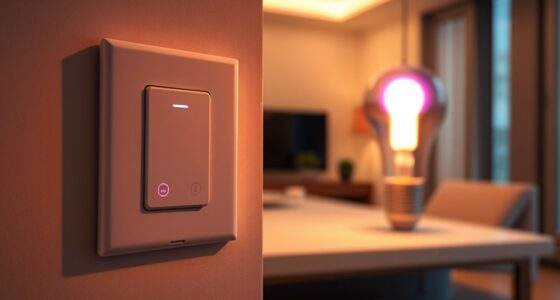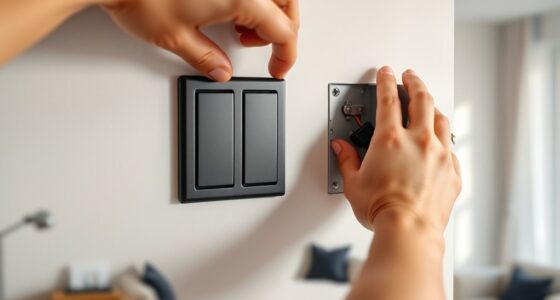

Daylight sensors work with smart lights to automatically detect the amount of natural sunlight entering your space. When sunlight increases, the sensors signal the lights to dim or turn off, saving energy and creating a comfortable environment. Conversely, as natural light decreases, the sensors prompt your smart system to brighten or activate the lights. This seamless adjustment helps you maintain consistent illumination and efficiency. Keep exploring to discover how these sensors can enhance your lighting experience even further.
Key Takeaways
- Daylight sensors detect natural light levels and communicate with smart lighting systems to adjust artificial illumination accordingly.
- They automatically dim or turn off lights when sufficient sunlight enters a space, conserving energy.
- As natural light decreases, sensors signal smart lights to brighten, maintaining consistent indoor illumination.
- Sensors operate silently and seamlessly, integrating with existing smart home or building automation systems.
- This dynamic adjustment enhances comfort, reduces energy costs, and promotes sustainable lighting practices.

Daylight sensors are innovative devices that automatically adjust indoor lighting based on the amount of natural light available. They detect the sunlight entering a space and modify artificial lighting levels to create a comfortable, energy-efficient environment. This smart technology helps you save energy by reducing unnecessary lighting when ample sunlight is present, and it guarantees proper illumination when natural light diminishes. As you go about your day, these sensors work silently in the background, making lighting adjustments without any manual intervention. They also contribute to the overall smart home ecosystem, enhancing the integration and automation of your living space. You’ll find daylight sensors particularly useful in spaces with large windows or open layouts, where sunlight can vary markedly throughout the day. When the sun shines brightly outside, the sensor detects the increased daylight and dims or turns off artificial lights accordingly. This means you won’t waste energy lighting a room that’s already well-lit by natural sunlight. Conversely, as the sun sets or clouds obscure the sky, the sensor picks up on the decreased natural light and prompts your lighting system to brighten, maintaining a consistent level of illumination. This dynamic adjustment creates a more comfortable environment, reducing glare and eye strain, especially in workspaces or areas where clarity is essential.
Installing a daylight sensor is straightforward, and integrating it with your existing lighting system is usually seamless. Once set up, it operates automatically, which means you don’t need to think about turning lights on or off based on the time of day or weather conditions. Instead, you can focus on your tasks or relaxation, knowing your lighting adapts intelligently to the environment. These sensors also contribute to sustainability efforts by minimizing electricity consumption, which benefits both your wallet and the planet. Over time, you’ll notice a reduction in energy bills, especially if your space has large windows or lots of natural sunlight.
In addition to energy savings, daylight sensors can extend the lifespan of your lighting fixtures by reducing unnecessary usage. They help create a balanced lighting environment that aligns with natural rhythms, fostering a more natural and inviting atmosphere. Whether you’re in an office, a school, or a home, these sensors enhance comfort and efficiency. As you become accustomed to their operation, you’ll appreciate how they seamlessly blend technology with everyday life, making your space smarter, greener, and more aligned with natural light cycles. With daylight sensors, your lighting system becomes truly responsive, adapting effortlessly to the changing sunlight outside.

Brightever 4-Pack Dusk to Dawn LED Light Bulbs, A19 11W(100Watt Equivalent), E26 Basic Automatic On/Off, 1200LM, Daylight White 5000K Smart Sensor Lights, Outdoor for Porch Garage Yard Patio Garden
- Auto On/Off Sensor: Automatically turns on at dusk and off at dawn
- Energy Efficient: Consumes only 11W, equivalent to 100W incandescent
- Long Lifespan: Over 25,000 hours of use
As an affiliate, we earn on qualifying purchases.
As an affiliate, we earn on qualifying purchases.
Frequently Asked Questions
Can Daylight Sensors Detect Clouds or Weather Changes?
Yes, daylight sensors can detect changes in weather, including clouds. When clouds block sunlight, sensors notice the reduction in natural light and signal your smart lights to brighten accordingly. Conversely, when the sun shines brightly, they dim the lights. This adaptive system helps maintain consistent lighting levels, saving energy and enhancing comfort. So, you can rely on your sensors to respond to weather shifts automatically.
How Do Daylight Sensors Impact Energy Savings Long-Term?
You’ll notice significant energy savings over time when using daylight sensors, as they optimize lighting based on natural sunlight, reducing unnecessary electricity use. By adjusting light levels automatically, you avoid waste and lower your bills. This smart approach not only conserves resources but also extends the lifespan of your lighting fixtures. Embracing this technology means you’re making a thoughtful choice for the environment and your wallet, day after day.
Are Daylight Sensors Compatible With All Smart Lighting Systems?
Not all smart lighting systems are compatible with daylight sensors, but many modern ones are. You should check the product specifications or consult with the manufacturer to see if your system supports daylight sensors. If compatible, you can easily integrate the sensor to automatically adjust your lighting based on natural sunlight, helping you save energy and create a more comfortable environment. It’s worth verifying before making any upgrades.
What Maintenance Is Required for Daylight Sensors?
You need to regularly clean your daylight sensors with a soft, dry cloth to remove dust and debris that can affect their accuracy. Check for any signs of damage or corrosion and guarantee they are securely mounted. Occasionally, verify the sensor’s calibration or settings, especially after power outages or system updates. Keep the surrounding area clear of obstructions to maintain peak performance and confirm your smart lighting system responds correctly to natural light.
Do Daylight Sensors Work Effectively Indoors and Outdoors?
Did you know that daylight sensors can save up to 40% on energy costs? They work effectively both indoors and outdoors, adapting to changing light conditions to optimize lighting. Indoors, they adjust based on natural sunlight coming through windows, while outdoors, they respond to sunlight levels and weather. You’ll find them reliable in various environments, ensuring your space is always lit efficiently without manual intervention.

Lutron Motion Sensor and LED Dimmer Switch, Single Pole/3-Way
- Automatic motion-activated lighting: Turns lights on/off based on motion
- Optimized LED dimming: Provides superior dimming for LED bulbs
- Advanced XCT sensing: Detects fine motion to prevent false offs
As an affiliate, we earn on qualifying purchases.
As an affiliate, we earn on qualifying purchases.
Conclusion
Imagine walking into a room where the lights subtly brighten as the sun rises outside, and dim as it sets—like the room’s own heartbeat syncing with nature’s rhythm. Daylight sensors make this possible, helping your smart lights adapt effortlessly to natural sunlight. They’re like a trusted friend who always knows just how much light you need, saving energy and enhancing comfort. Embrace this technology, and let your home breathe in harmony with the world outside.
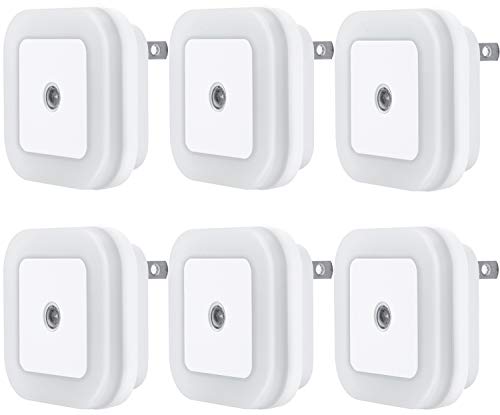
Uigos LED Night Light Lamp with Smart Sensor Dusk to Dawn Sensor, Daylight White, 0.5W Plug-in, 6-Pack
- Optimal Brightness: Perfect light for dark spaces
- Automatic On/Off: Dusk to dawn sensor
- Energy Efficient: Uses 2.2 KWh annually
As an affiliate, we earn on qualifying purchases.
As an affiliate, we earn on qualifying purchases.

Amazon Basics Dual Smart Plug with Motion Sensor and Night Light, Works with Alexa Only, Control from Anywhere, Automatic Control, 2.4 GHz Wi-Fi, No Hub Required, 4.33 x 2.36 x 1.38 in, White
- Easy Alexa Setup: Quick setup with multiple options
- Multi-Function Design: Two outlets, night light, motion sensor
- Automatic Night Light: Turns on with motion, conserves energy
As an affiliate, we earn on qualifying purchases.
As an affiliate, we earn on qualifying purchases.