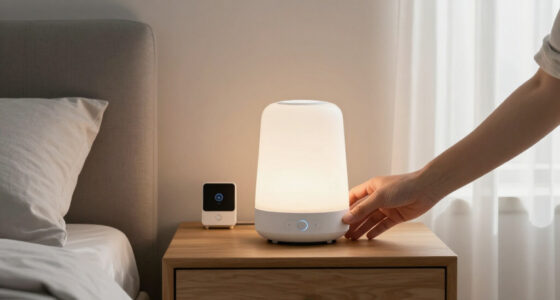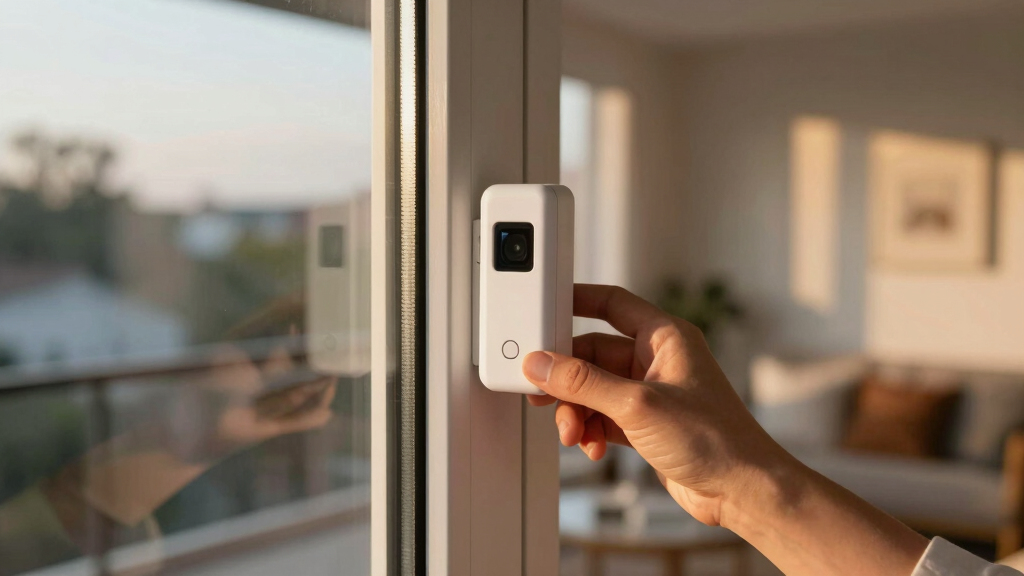
When it comes to securing your home against break-ins, a reliable smart glass break sensor is essential. The best overall choice for 2027 is the Ring Glass Break Sensor, which offers seamless integration with Ring’s ecosystem. For those seeking affordability, the Wi-Fi Vibration Sensor for Doors and Windows provides solid detection at a lower cost. Meanwhile, the eufy Security E10 Glass Break Sensor stands out for its quick response times and user-friendly setup. The main challenge in this category lies in balancing sensitivity, false alarm prevention, and compatibility with existing security systems. Keep reading for a detailed breakdown of these options and what makes each one unique.

Get home appliances delivered free with Prime
- Fast, free delivery on millions of items
- Prime Video, Amazon Music and more included
- Member-only deals all year
Complete the kit


Key Takeaways
- Top sensors combine high sensitivity with false alarm reduction, which is critical for reliable security.
- Compatibility with existing security systems often influences the best choice for specific buyers.
- Wireless sensors with longer ranges tend to be more versatile but may come at a higher cost.
- Ease of installation and app integration are key factors for non-technical users.
- Tradeoffs often exist between affordability and advanced features like customizable sensitivity and alerts.
| Ring Glass Break Sensor |  | Best Overall Smart Glass Break Sensor | Connectivity: Amazon Sidewalk or compatible Ring Alarm Base Station | Alerts: Real-time notifications through the Ring app | Placement: Walls, ceilings, or furniture | VIEW LATEST PRICE | See Our Full Breakdown |
| Wi-Fi Vibration Sensor for Doors and Windows, 4-Pack |  | Best Value and Versatile Multi-Packet Kit | Connectivity: 2.4 GHz Wi-Fi | App compatibility: Tuya / Smart Life | Smart home compatibility: Google Home, Alexa | VIEW LATEST PRICE | See Our Full Breakdown |
| Smart Vibration Sensor with App Alerts, Adjustable Sensitivity, 4-Pack |  | Best for Smartphone Vibration Monitoring | Power source: Battery powered | Batteries: 2 AAA batteries included | Connectivity: 2.4 GHz Wi-Fi | VIEW LATEST PRICE | See Our Full Breakdown |
| ADT Blu Glass Break Sensor, Wireless |  | Best for Professional-Grade Security with Machine Learning | Detection Range: 25 feet | Mounting Type: Wall or ceiling | Power Source: Battery | VIEW LATEST PRICE | See Our Full Breakdown |
| Wsdcam Glass Break Sensor Alarm 125dB Wireless Vibration Detector for Home Security |  | Best Loud Alarm Vibration Sensor | Power Source: Battery | Batteries: 3 LR44 (included) | Maximum Range: 12 meters | VIEW LATEST PRICE | See Our Full Breakdown |
| Feit Electric Smart Wi-Fi Glass Break Sensor |  | Best Overall for Easy, Wireless Indoor Monitoring | Connectivity: Wi-Fi | Hub required: No | Alarm volume: 85 dB | VIEW LATEST PRICE | See Our Full Breakdown |
| 2GIG GB1 Glass Break Detector |  | Best for Compatibility with 2GIG Security Systems | Detection range: 15 feet | Wireless range: Up to 300 feet | Operating frequency: 345 MHz | VIEW LATEST PRICE | See Our Full Breakdown |
| eufy Security E10 Glass Break Sensor |  | Best for Advanced AI Detection and Multiple Glass Types | Maximum range: 25 feet | HomeBase connection range: Up to 656 feet | Compatible glass types: Multiple, including laminated and wired | VIEW LATEST PRICE | See Our Full Breakdown |
| SimpliSafe Glassbreak Sensor – 20 ft Range |  | Best for Easy DIY Installation with App Alerts | Detection Range: 20 ft | Power Source: Battery | Compatibility: SimpliSafe Gen 3 | VIEW LATEST PRICE | See Our Full Breakdown |
| YoLink LoRa Smart Vibration Sensor |  | Best for Long-Range, Multi-Activity Monitoring | Wireless technology: LoRa | Open-air range: Up to 1/4 mile | Alerts: Email, SMS, push notifications | VIEW LATEST PRICE | See Our Full Breakdown |
| smart glass break sensor | Power source |
|---|---|
| Ring Glass Break Sensor | — |
| Wi-Fi Vibration Sensor for Doo | — |
| Smart Vibration Sensor with Ap | Battery powered |
| ADT Blu Glass Break Sensor | Battery |
| Wsdcam Glass Break Sensor Alar | Battery |
| Feit Electric Smart Wi-Fi Glas | — |
| 2GIG GB1 Glass Break Detector | Two CR123A batteries |
| eufy Security E10 Glass Break | Battery |
| SimpliSafe Glassbreak Sensor | Battery |
| YoLink LoRa Smart Vibration Se | — |
More Details on Our Top Picks
Ring Glass Break Sensor
The Ring Glass Break Sensor stands out for its seamless integration with existing Ring systems and its flexible placement options. Unlike the ADT Blu sensor, it can operate independently without a dedicated base station, making it more adaptable for various setups. Its ability to filter common household noises reduces false alarms, a significant advantage over less sophisticated vibration sensors like the Wsdcam model. However, its reliance on a compatible Ring Alarm Base or subscription for expanded features and professional monitoring introduces some tradeoffs. This sensor is ideal for homeowners already invested in Ring or those seeking a simple, app-based alert system that can be placed strategically near vulnerable windows or glass features.
Pros:- Works independently or with Ring Alarm Base Station
- Filters household noise for fewer false alarms
- Flexible placement on walls, ceilings, or furniture
- Quick setup via the Ring app
Cons:- Requires a Ring subscription for professional monitoring
- Compatibility with only Ring systems limits versatility
Best for: Homeowners with existing Ring security or those seeking easy, app-driven installation
Not ideal for: Users without a Ring system or those needing standalone, non-cloud-dependent sensors
- Connectivity:Amazon Sidewalk or compatible Ring Alarm Base Station
- Alerts:Real-time notifications through the Ring app
- Placement:Walls, ceilings, or furniture
- Professional monitoring:Optional with an eligible Ring subscription
Our verdict“Best suited for Ring users who want reliable, flexible glass break detection integrated into their existing system.”
Wi-Fi Vibration Sensor for Doors and Windows, 4-Pack
Compared with the more specialized glass break sensors, this Wi-Fi vibration sensor offers broad versatility for detecting movement on doors and windows, making it a strong choice for those who want a multi-purpose device at a competitive price. Its 2.4 GHz Wi-Fi connectivity means it can be placed almost anywhere without extra hubs, unlike the ADT sensor which requires a dedicated system and subscription. However, its limited range to Wi-Fi and the need for ongoing battery replacements mean it might not be the best fit for long-term, maintenance-free setups. This pack makes the most sense for budget-conscious homeowners who want multiple sensors to cover large areas or multiple entry points with straightforward installation.
Pros:- No hub required—connects directly to Wi-Fi
- App alerts and operation history enhance security awareness
- Adjustable sensitivity for different environments
- Includes four sensors for broad coverage
Cons:- Limited to 2.4 GHz Wi-Fi, excluding newer networks
- Battery replacement needed periodically
Best for: Budget-conscious homeowners seeking multi-point coverage without extra hub requirements
Not ideal for: Large homes with dead zones or users looking for a dedicated security alarm system
- Connectivity:2.4 GHz Wi-Fi
- App compatibility:Tuya / Smart Life
- Smart home compatibility:Google Home, Alexa
- Sensitivity:Adjustable
- Power:2 AAA batteries, included
- Installation:Adhesive, tool-free
Our verdict“Ideal for those wanting a cost-effective, easy-to-install multi-sensor setup without complex infrastructure.”
Smart Vibration Sensor with App Alerts, Adjustable Sensitivity, 4-Pack
This Smart Vibration Sensor excels in providing detailed app notifications when detecting movement, making it more suitable for users who want to monitor specific entry points via their smartphones. Its compatibility with iOS devices like iPhone and iPad gives it an edge over the Wi-Fi Vibration Sensor, especially for Apple users. While both sensors feature adjustable sensitivity, this model’s focus on vibration detection and app alerts makes it better for detailed monitoring rather than broad glass break detection. Its reliance on Wi-Fi (2.4 GHz) and unclear platform support could limit broader compatibility. It suits tech-savvy users who prefer detailed alert management and integration with other Tuya-compatible devices.
Pros:- Sends vibration alerts directly to smartphones
- Adjustable sensitivity prevents false alarms
- Can link with compatible Tuya devices like sirens
- Easy, tool-free adhesive installation
Cons:- Limited to Wi-Fi, no 5 GHz support
- Unclear support for broader Android platforms
Best for: Apple users seeking detailed vibration alerts and integration with Tuya devices
Not ideal for: Android-only users or those needing dedicated glass break detection
- Power source:Battery powered
- Batteries:2 AAA batteries included
- Connectivity:2.4 GHz Wi-Fi
- Compatible devices:iPad, iPhone
- Sensitivity:Adjustable
- Installation:Tool-free; 3M adhesive
Our verdict“Designed for Apple users or those wanting detailed vibration alerts rather than traditional glass break detection.”
ADT Blu Glass Break Sensor, Wireless
The ADT Blu Glass Break Sensor offers a sophisticated approach with its machine learning technology, significantly reducing false alarms common with basic vibration sensors like the Wsdcam. Its impressive 25-foot detection range provides comprehensive room coverage, making it suitable for larger spaces. The device’s ability to filter household noise is a step above simpler vibration sensors, but it requires a compatible ADT Blu Base and subscription, which adds cost and setup complexity. Its mounting options and tamper alerts boost security reliability. This pick makes the most sense for those seeking professional-grade detection with minimal false alarms, especially in larger rooms or spaces prone to household noise.
Pros:- Wide 25-foot detection range covers entire rooms
- Machine learning reduces false alarms from household noise
- Easy installation with hardware and LED guidance
- Tamper alerts enhance security
Cons:- Requires a paid ADT subscription and compatible system
- Mounting height at 6.5 feet or higher necessary
Best for: Homeowners with ADT systems wanting advanced, reliable glass break detection
Not ideal for: Users without ADT system infrastructure or those preferring standalone sensors
- Detection Range:25 feet
- Mounting Type:Wall or ceiling
- Power Source:Battery
- Compatibility:ADT Blu System
- Operating Temperature:32°F to 104°F
- Response Time:1 millisecond
Our verdict“Best suited for ADT users seeking professional-grade, highly accurate glass break detection in larger spaces.”
Wsdcam Glass Break Sensor Alarm 125dB Wireless Vibration Detector for Home Security
The Wsdcam Glass Break Sensor Alarm emphasizes a powerful 125dB siren and straightforward vibration detection, making it effective for immediate deterrence. Its simple peel-and-stick installation offers quick setup, but it relies solely on vibration detection, which can limit its effectiveness against certain break-ins where sound detection might be more reliable. The adjustable sensitivity helps prevent false alarms, but placement is critical for proper detection. Compared with the ADT sensor, this device lacks advanced filtering and professional monitoring options, making it more suitable for DIY users focused on loud deterrence rather than detailed detection.
Pros:- Loud 125dB alarm deters intruders effectively
- Simple peel-and-stick installation
- Adjustable sensitivity for false alarm prevention
- Battery operated with long life
Cons:- Limited to vibration detection, not glass sound
- Placement must be precise for effectiveness
- Battery replacement needed about yearly
Best for: Homeowners or small offices needing an easy, loud deterrent with minimal setup
Not ideal for: Large spaces or environments where precise detection is critical, or where false alarms are a concern
- Power Source:Battery
- Batteries:3 LR44 (included)
- Maximum Range:12 meters
- Mounting Type:Door mount
- Sensor Technology:Vibration sensor
- Alarm Volume:125dB
Our verdict“Great for quick installation and loud deterrence but less effective for detailed or sound-based detection needs.”
Feit Electric Smart Wi-Fi Glass Break Sensor
This sensor stands out because it offers a straightforward, hub-free Wi-Fi connection, making setup quick and clutter-free—ideal for those who want immediate alerts without complex wiring. Compared to the eufy Security E10, it doesn’t require a compatible HomeBase, which simplifies installation but limits integration options. Its 85 dB alarm provides a clear alert, but since it’s designed solely for indoor use, it can’t handle outdoor environments or harsher conditions. The included batteries last for a year, reducing maintenance, though the device’s reliance on Wi-Fi connectivity makes it vulnerable to network issues. This pick makes the most sense for homeowners seeking a simple, wireless sensor that integrates seamlessly with their existing Wi-Fi network and mobile alerts.
Pros:- Simple Wi-Fi setup without a hub
- Immediate mobile app alerts for glass breakage
- Built-in 85 dB alarm for local alerts
- Batteries included, with a year-long lifespan
Cons:- Indoor use only limits versatility
- Dependent on Wi-Fi stability, no backup connectivity
Best for: Homeowners who need a quick-to-install, wireless sensor for indoor windows and glass doors without extra hubs
Not ideal for: Properties requiring outdoor protection or a sensor integrated into a broader security system with wired connections
- Connectivity:Wi-Fi
- Hub required:No
- Alarm volume:85 dB
- Power:Replaceable batteries (included)
- Use:Indoor only
- Suitable for:Windows and glass doors
- Warranty:1-year limited
Our verdict“This sensor suits those seeking an easy, wireless indoor glass break alert system with minimal setup.”
2GIG GB1 Glass Break Detector
The 2GIG GB1 excels for users already invested in 2GIG’s security ecosystem, offering reliable detection within a 15-foot range and seamless wireless communication up to 300 feet in open air. It’s designed for those who want a dedicated, wired-in component with a longer-term two-year warranty, making it suitable for permanent installations. Unlike the Feit Electric model, it’s limited to systems compatible with 2GIG panels, which might restrict flexibility, but ensures tight security integration. It features LED indicators and tamper protection, enhancing reliability and tamper alerts. The tradeoff is that it requires a compatible security panel and a service plan for remote monitoring, making it less ideal for simple DIY setups.
Pros:- Reliable detection within 15 feet
- Works seamlessly with 2GIG security panels
- Includes LED status indicators and tamper protection
- Two-year warranty adds peace of mind
Cons:- Limited to 2GIG system compatibility
- Remote monitoring requires a service plan
Best for: Homeowners with existing 2GIG security systems seeking a dedicated, wired glass break detector
Not ideal for: Users without compatible 2GIG panels or those seeking a wireless, hub-free sensor
- Detection range:15 feet
- Wireless range:Up to 300 feet
- Operating frequency:345 MHz
- Power source:Two CR123A batteries
- Display:LED
- Warranty:Two years
- Compatibility:2GIG security systems
Our verdict“Ideal for 2GIG system users needing a dedicated, wired glass break sensor with long-range detection.”
eufy Security E10 Glass Break Sensor
The eufy Security E10 offers sophisticated AI-driven detection, capable of identifying six common glass types and covering up to 25 feet—making it a strong choice for those concerned about false alarms. Compared with the SimpliSafe sensor, it requires a compatible HomeBase, which adds a layer of integration but also complexity and cost. Its coverage of different glass types and mounting options (adhesive or screw) enhance versatility, especially for larger or varied window installations. The main tradeoff is that it demands a compatible HomeBase at the right software version, which could be a barrier for some users. This makes it suitable for those with a compatible smart home ecosystem seeking high accuracy and flexible installation options.
Pros:- Detects six types of glass for high accuracy
- Covers up to 25 feet reliably
- Supports adhesive and screw mounting for flexible installation
- Advanced AI reduces false alarms
Cons:- Requires compatible HomeBase with specific software
- Limited to users with existing HomeBase setup
Best for: Smart home enthusiasts looking for precise AI detection with broad glass compatibility
Not ideal for: Users without a compatible HomeBase or those seeking a simple, standalone sensor
- Maximum range:25 feet
- HomeBase connection range:Up to 656 feet
- Compatible glass types:Multiple, including laminated and wired
- Supported glass size:12×12 to 32×40 inches
- Power source:Battery
- Batteries:2 nonstandard batteries
- Mounting type:Adhesive or screw
Our verdict“Best for owners of compatible HomeBase systems who want AI-powered, versatile glass break detection.”
SimpliSafe Glassbreak Sensor – 20 ft Range
The SimpliSafe Glassbreak Sensor provides a reliable detection range of 20 feet, making it suitable for typical living room or office windows. Compared to the eufy model, it’s designed specifically for the SimpliSafe ecosystem, offering straightforward peel-and-stick installation that appeals to DIYers. Its ability to send instant phone alerts via the app ensures quick response, but it’s limited to the SimpliSafe Gen 3 system, restricting broader compatibility. The long-lasting battery reduces maintenance, though the system’s reliance on the specific platform limits flexibility if you switch security providers. This sensor is perfect for those already invested in the SimpliSafe system looking for a simple, effective glass break alert.
Pros:- Reliable 20 ft detection range
- Simple peel-and-stick installation
- Long-lasting battery reduces replacements
- Instant app alerts improve response time
Cons:- Only compatible with SimpliSafe Gen 3
- Limited to the platform’s ecosystem
Best for: DIY homeowners with a SimpliSafe Gen 3 system seeking an easy, reliable glass break sensor
Not ideal for: Users with other security systems or seeking a universal or wired detection solution
- Detection Range:20 ft
- Power Source:Battery
- Compatibility:SimpliSafe Gen 3
- Sensor Type:Glassbreak
Our verdict“Ideal for SimpliSafe users wanting a straightforward, effective glass break sensor with quick alerts.”
YoLink LoRa Smart Vibration Sensor
The YoLink LoRa Sensor expands beyond simple glass break detection, monitoring vibrations, tampering, and equipment activity over impressive distances—up to a quarter mile in open air. This makes it ideal for larger properties or areas with obstructions, unlike the other sensors that focus solely on sound or vibration within a limited range. It supports device-to-device pairing, allowing it to operate independently of Wi-Fi or internet once set up, which enhances reliability in areas with unstable networks. The main tradeoff is that it requires a YoLink hub, sold separately, and a compatible smartphone app, which adds initial setup complexity. This sensor is best suited for property owners wanting broad coverage and multi-activity detection without relying on standard Wi-Fi or power sources.
Pros:- Monitors vibration, tampering, and activity
- Supports device-to-device pairing for independence from Wi-Fi
- Long open-air range up to 1/4 mile
- Multiple notification options including email and SMS
Cons:- Requires the purchase of a YoLink hub separately
- Setup involves compatible app and network configuration
Best for: Large property owners or industrial users needing long-range vibration and tamper detection
Not ideal for: Small homes or users without YoLink hubs and interested primarily in Wi-Fi-based sensors
- Wireless technology:LoRa
- Open-air range:Up to 1/4 mile
- Alerts:Email, SMS, push notifications
- Device-to-device pairing:Supported
- Network requirement:2.4 GHz WiFi or Ethernet
- Hub:Required, sold separately
- Compatible devices:Android and Apple smartphones
Our verdict“Best for large-scale, long-range detection needs where Wi-Fi independence and multi-activity monitoring are priorities.”

How We Picked
In evaluating these smart glass break sensors, I focused on key factors such as detection performance, ease of installation, build quality, and system compatibility. I prioritized products that offer a good balance between sensitivity and false alarm prevention, since overly sensitive units can be disruptive, while inadequate sensitivity compromises security. Wireless range and power options were also considered, as they impact flexibility and ease of use. The ranking reflects a combination of these practical criteria, aiming to guide a variety of buyers from budget-conscious to tech-savvy users.| smart glass break sensor | Power source |
|---|---|
| Ring Glass Break Sensor | — |
| Wi-Fi Vibration Sensor for Doo | — |
| Smart Vibration Sensor with Ap | Battery powered |
| ADT Blu Glass Break Sensor | Battery |
| Wsdcam Glass Break Sensor Alar | Battery |
| Feit Electric Smart Wi-Fi Glas | — |
| 2GIG GB1 Glass Break Detector | Two CR123A batteries |
| eufy Security E10 Glass Break | Battery |
| SimpliSafe Glassbreak Sensor | Battery |
| YoLink LoRa Smart Vibration Se | — |
Factors to Consider When Choosing Best Smart Glass Break Sensor
Choosing the best smart glass break sensor involves understanding several important factors. While features like sensitivity and alerts are obvious considerations, broader aspects such as system compatibility, installation ease, and false alarm management significantly impact daily use. Being aware of these elements helps prevent common pitfalls, like selecting a sensor incompatible with your existing security system or one prone to false alarms that undermine confidence in the device.Detection Sensitivity and False Alarms
High sensitivity ensures your sensor detects genuine glass break events, but excessive sensitivity can trigger false alarms from nearby loud noises. Look for models with adjustable sensitivity settings to tailor detection to your environment. A sensor that balances responsiveness with false alarm prevention offers the best long-term reliability, especially in busy households or noisy areas.
Compatibility with Security Systems
Some sensors work best as standalone devices, while others integrate seamlessly with broader security systems like Ring, SimpliSafe, or eufy. Compatibility can influence installation choices and alert management. Buyers should verify system requirements and ensure the sensor’s protocol (Zigbee, Z-Wave, Wi-Fi) aligns with existing hardware for hassle-free integration.
Installation and Placement
Ease of installation varies widely—some sensors require professional setup, while others are DIY-friendly. Consider the mounting options, whether adhesive or screw-in, and the recommended placement height for optimal detection. Proper placement within the room, away from sources of false alarms, is crucial for reliable operation.
Power Options and Connectivity
Battery-powered sensors offer flexibility in placement but require periodic replacement, whereas wired options eliminate battery concerns at the expense of more complex installation. Wireless connectivity, especially Wi-Fi or Z-Wave, influences how easily the sensor communicates with your hub or app. Longer-range sensors provide more placement options but may entail higher costs.
Price and Value
While budget sensors may suffice for basic coverage, investing in models with advanced features like adjustable sensitivity and real-time alerts can enhance security. Consider the overall cost of ownership, including batteries or installation, and whether the added features justify the price premium. A balanced investment ensures reliable protection without overspending.
Frequently Asked Questions
Can a smart glass break sensor differentiate between real glass break and false alarms?
Many sensors incorporate sound and vibration analysis to distinguish actual glass break events from other loud noises. Adjustable sensitivity settings further reduce false alarms caused by everyday sounds like slamming doors or loud music. While no sensor is entirely foolproof, models with sound pattern recognition tend to perform better in filtering out false triggers, providing more dependable security.
Is a wireless glass break sensor compatible with most home security systems?
Compatibility depends on the sensor’s protocol and your existing setup. Many sensors use common standards like Z-Wave, Zigbee, or Wi-Fi, making integration straightforward if your system supports these. It’s important to verify compatibility before purchasing, especially if you plan to connect multiple sensors or require centralized alerts through a security hub or app. Wireless sensors generally offer easier installation and more flexible placement than wired options.
How often do I need to replace batteries in a smart glass break sensor?
Batteries in these sensors typically last between six months to a year, depending on usage and model. Sensors with low power consumption or those that use rechargeable batteries can reduce ongoing costs. It’s wise to choose models with battery status alerts to prevent unexpected loss of protection and to plan for regular replacement or charging.
Are there sensors suitable for large windows or multiple glass panels?
Yes, many sensors offer extended detection ranges, some up to 20-30 feet, making them suitable for large windows or multiple glass panels. However, longer-range sensors may be more sensitive to vibrations or sound, increasing false alarms if not properly calibrated. Consider sensors with adjustable detection zones or sensitivity to optimize performance for larger or multiple glass surfaces.
What should I do if my sensor frequently triggers false alarms?
Frequent false alarms often result from high sensitivity, placement near noisy appliances, or environmental vibrations. Adjusting sensitivity settings, relocating the sensor away from sources of noise, or adding sound suppression measures can significantly reduce false triggers. Regular calibration and testing help maintain reliable operation, ensuring the sensor responds primarily to genuine break-ins.
Conclusion
For most homeowners seeking a reliable, easy-to-integrate solution, the Ring Glass Break Sensor offers a balanced mix of performance and compatibility, making it the best overall choice. Budget-conscious buyers will find the Wi-Fi Vibration Sensor for Doors and Windows provides solid detection without overspending. Those looking for a premium, fast-responding device should consider the eufy Security E10 Glass Break Sensor. Beginners or less technical users should prioritize models with straightforward installation and app controls. For larger properties or specialized needs, sensors with extended range like the YoLink LoRa Smart Vibration Sensor may be better suited. Ultimately, your choice depends on your existing system, environment, and specific security priorities.