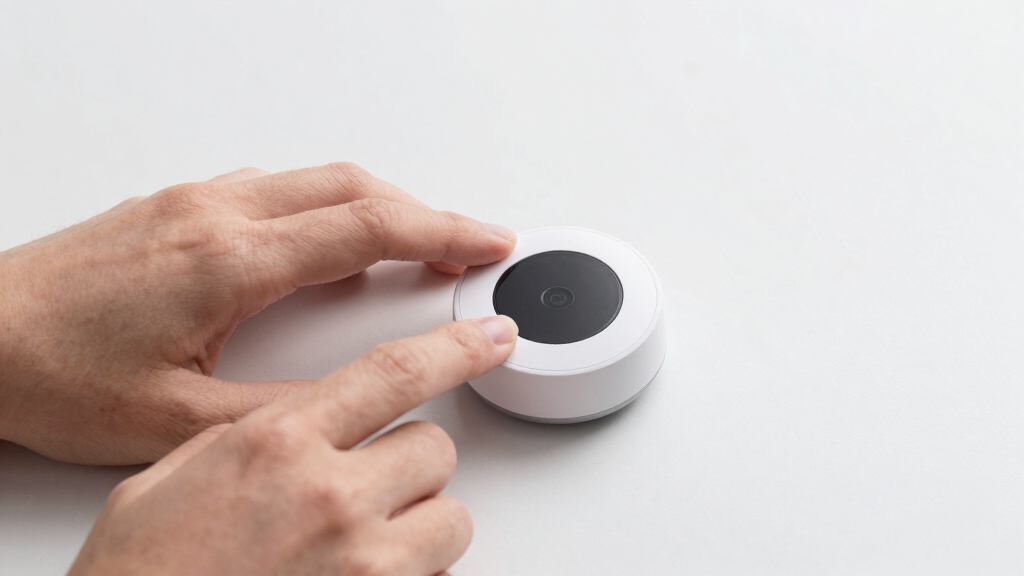
Searching for the best smart motion sensor in 2026? The ideal choice depends on your specific needs, whether for security, automation, or smart home integration. The Kasa Smart Motion Sensor Dimmer Light Switch stands out for its seamless Wi-Fi connectivity and compatibility with Alexa & Google Assistant. For Apple HomeKit users, the Onvis Smart Motion Sensor offers reliable Thread and environmental monitoring. Meanwhile, the Aqara Zigbee Motion Sensor P1 provides excellent automation features at an affordable price. These options highlight common tradeoffs: some sensors excel in compatibility, others in battery life or water resistance. Keep reading to see a full breakdown of the top choices and what makes each one unique.
Key Takeaways
- Compatibility with major smart home ecosystems is a key differentiator among top sensors.
- Battery life varies significantly, with some models offering five-year longevity, reducing maintenance.
- Water resistance and environmental sensors expand usability beyond indoor security.
- Ease of setup and integration often trade off with advanced automation features.
- Price ranges widely, so balancing budget with required features is essential for the best fit.



More Details on Our Top Picks
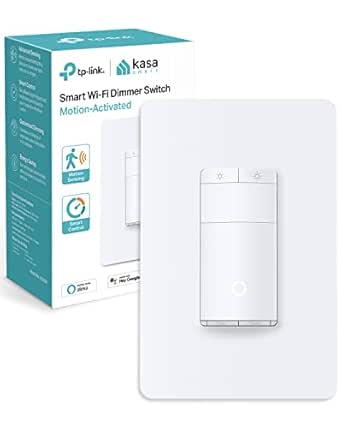
Kasa Smart Motion Sensor Dimmer Light Switch, Single Pole, Requires Neutral Wire, 2.4GHz Wi-Fi, Compatible with Alexa & Google Assistant, UL Certified, No Hub Needed (ES20M) White 1-Pack
The Kasa Smart ES20M stands out as the best overall choice because it combines motion and ambient light sensing with dimming capabilities, making it ideal for bedrooms, hallways, or bathrooms. Unlike the GoveeLife Human Presence Sensor, which is purely motion-based and lacks dimming, the ES20M offers customizable routines and voice control support, enhancing convenience. However, the need for neutral wiring and a 2.4GHz Wi-Fi network might require professional installation, especially in older homes. Its maximum load of 300W fits many household fixtures but may fall short for high-wattage lighting. This sensor is perfect for homeowners seeking a reliable, all-in-one smart switch that integrates seamlessly with Alexa and Google Assistant, with safety certified by UL.
Pros:- Combines motion and ambient light sensing for advanced automation
- Supports voice commands via Alexa and Google Assistant
- Allows detailed dimming and scheduling customization
- UL certified for safety and reliability
Cons:- Requires neutral wiring—may need electrician installation
- Limited to 2.4GHz Wi-Fi networks, reducing flexibility
- Maximum load of 300W may not suit high-wattage fixtures
Best for: Homeowners with neutral wiring seeking an integrated smart dimmer switch with motion sensing
Not ideal for: Renters or those with incompatible wiring who want a plug-in sensor, or users on 5GHz Wi-Fi networks
Bottom line: This pick is ideal for those wanting a smart, dimmable switch with motion detection and voice control, provided they have compatible wiring.
Onvis Smart Motion Sensor with Thread, Hygrometer, and Thermometer for Apple HomeKit
The Onvis Smart Motion Sensor excels for users embedded in the Apple ecosystem, offering precise motion detection alongside humidity and temperature monitoring. Its use of Thread technology ensures faster, more reliable alerts compared to standard Wi-Fi sensors like the GoveeLife Human Presence Sensor. While it supports comprehensive home automation with a dedicated Apple hub, this also limits its compatibility outside of Apple devices. The need for an Apple TV 4K or HomePod mini adds an extra step for setup, and some automations might require manual configuration through iOS. For Apple users prioritizing privacy and multifunctional sensors, this device makes a compelling choice, though it’s less suitable for those not invested in the Apple ecosystem.
Pros:- Supports motion, humidity, and temperature monitoring in one device
- Utilizes Thread for fast, reliable alerts and low latency
- End-to-end encrypted privacy with local processing
- Ideal for integrated Apple smart home systems
Cons:- Requires a Thread-compatible hub like Apple TV 4K or HomePod mini
- Limited compatibility outside Apple ecosystem
- Some automations may need setup via iOS, adding complexity
Best for: Apple HomeKit users seeking a multi-sensor device with privacy focus and reliable Thread connectivity
Not ideal for: Android users or those seeking a simple motion-only sensor without environmental monitoring
Bottom line: Best suited for dedicated Apple users wanting a multi-functional sensor with enhanced privacy and network reliability.
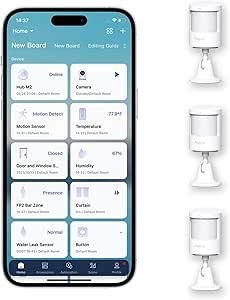
Aqara Zigbee Motion Sensor P1 3-Pack, Smart Motion Detectors for Home Automation and Security
The Aqara Zigbee Motion Sensor P1 offers exceptional longevity with a 5-year battery life, making it ideal for security and automation in busy households. Its wide 170° detection angle and adjustable sensitivity outperform many basic sensors like the TP-Link Tapo Motion Sensor T100 in range and precision. However, it requires an Aqara Zigbee hub, which adds another device to your setup, and lacks light sensitivity, unlike some more advanced sensors. Its compatibility with multiple platforms like HomeKit, Alexa, and IFTTT provides flexibility, but its reliance on Zigbee limits third-party integrations outside the Aqara ecosystem. This sensor appeals to users who prioritize durability and broad compatibility in a pet-friendly design.
Pros:- Impressive 5-year battery life reduces maintenance
- Wide detection angle and adjustable sensitivity for versatile use
- Supports multiple smart home platforms including HomeKit and Alexa
- Configurable detection timeout for energy efficiency
Cons:- Requires Aqara Zigbee hub, increasing setup complexity
- No light sensitivity support, limiting automation options
- Limited third-party Zigbee support outside Aqara ecosystem
Best for: Homeowners seeking a long-lasting, pet-proof Zigbee motion sensor compatible with multiple platforms
Not ideal for: Users without a Zigbee hub or those needing light sensitivity features in their automation
Bottom line: Ideal for those wanting a durable, multi-platform Zigbee sensor with extended battery life and pet safety.
Lutron Caseta Smart Lighting Auto On/Off Motion Sensor, White
The Lutron Caseta Motion Sensor makes a strong case for seamless, long-lasting automation with its 10-year battery life and broad 180° field of view. It excels at controlling multiple Caseta-compatible devices within a 60 ft radius, making it suitable for hallways, entryways, or outdoor areas. Compared to the Onvis Sensor, which offers environmental monitoring, the Lutron focuses solely on motion, simplifying setup and reliability in lighting automation. Its requirement for the Caseta hub confines its ecosystem but guarantees stability and compatibility. This sensor is perfect for users committed to Lutron’s reliable ecosystem and seeking a set-and-forget automation experience, though it’s less flexible for non-Caseta smart devices.
Pros:- Long-lasting 10-year battery life for minimal maintenance
- Wide 180° sensing angle improves coverage
- Controls multiple devices within 60 ft for versatile automation
- No wiring required, easy to install
Cons:- Requires Caseta Smart Hub, adding to initial cost
- Limited to Caseta-compatible devices and automation
- Less effective in high-traffic areas where false positives may occur
Best for: Homeowners investing in Lutron Caseta for reliable, long-term lighting automation
Not ideal for: Smart home users without Caseta hubs or those wanting multi-function environmental sensing
Bottom line: Best suited for dedicated Lutron users seeking dependable, long-term motion-triggered lighting automation.
Eve Motion (Matter) – Smart Motion Sensor with Light Sensor, IPX3 Water Resistance, Automatic Activation of Lights and Devices
The Eve Motion (Matter) combines a 120° field of view with a 9-meter range, making it suitable for both indoor and outdoor settings. Its IPX3 water resistance enables outdoor installation, and it supports Thread and Matter protocols for reliable, local communication with a variety of platforms, including iOS and Android. Compared with the Onvis Sensor, Eve Motion prioritizes privacy through local processing and no cloud dependency, but it requires a compatible hub or device with Thread/Matter support, adding setup complexity. Its limited compatibility outside Apple and Thread ecosystems makes it less flexible for mixed-platform homes, but it offers excellent privacy and outdoor resilience for security or landscape lighting automation.
Pros:- Supports outdoor use with IPX3 water resistance
- Reliable Thread and Matter connectivity ensures low latency
- Local processing enhances privacy and reduces latency
- Integrates seamlessly with major ecosystems supporting Thread and Matter
Cons:- Requires compatible hub or device for full functionality
- Limited to iOS 16.4+ and Android 8.1+ devices
- Battery-powered, requiring periodic replacement
Best for: Homeowners seeking a weather-resistant motion sensor with local processing and seamless integration into Apple and Thread-compatible systems
Not ideal for: Users with non-Thread or non-Matter ecosystems or those seeking simple Wi-Fi sensors without hub requirements
Bottom line: Ideal for privacy-conscious homeowners needing outdoor-capable, reliable motion detection with local network support.
WiFi Motion Sensor – 4 Pack, Smart Home Security & Remote Monitoring
This 4-pack of WiFi motion sensors stands out for offering real-time remote monitoring via compatible apps, making it ideal for those who want to oversee multiple areas at once. Unlike the GoveeLife Human Presence Sensor with its advanced radar and PIR combination, these sensors rely solely on WiFi, which can limit their reliability if your network is unstable. The sensors support voice commands with Alexa and Google Assistant, enabling hands-free automation, but require a compatible smart home ecosystem to function fully. Their detection range of 128° and 6 meters is adequate for small to medium rooms but may fall short for larger open spaces. The main tradeoff is dependency on WiFi connectivity, which could introduce lag or false alarms if your network is congested.
Pros:- Supports remote monitoring through mobile apps
- Voice command compatibility with Alexa and Google Assistant
- Easy to automate lighting and security functions
Cons:- Requires a compatible smart home ecosystem to maximize features
- Limited detection range for large or open spaces
- Dependent on WiFi stability, which can affect reliability
Best for: Homeowners needing multiple sensors for broad coverage and remote control via mobile apps.
Not ideal for: Large open-plan spaces or environments with weak WiFi signals, where limited detection might be an issue.
- Detection Range:128°
- Detection Distance:6 meters
- App Compatibility:Smart Life App, Tuya Smart App
- Voice Assistant Compatibility:Alexa, Google Assistant
- Quantity:4
Bottom line: This set is best suited for users who want multi-room coverage with remote access and already have a compatible smart home system.
Kasa Smart Motion Sensor Switch, 2-Pack, Single Pole, Neutral Wire Required, Wi-Fi Light Switch, Works with Alexa & Google Assistant
The Kasa Smart Motion Sensor Switch makes a strong case for replacing traditional switches with automation, especially in single-pole setups. Compared to the WiFi Motion Sensor – 4 Pack, which detects movement remotely and triggers various devices, this switch controls your lighting directly, providing a seamless in-wall experience. Its ability to turn lights on/off based on motion and ambient light levels simplifies daily routines. The setup is straightforward with app-guided instructions, and UL certification adds a layer of safety. However, requiring a neutral wire limits its installation to homes with existing wiring, and its single pole focus means it can’t support multi-way switches. Dependence on WiFi might also cause delays or missed triggers during network issues.
Pros:- Hands-free operation with motion and daylight detection
- Easy app-guided installation
- UL certified for safety
Cons:- Requires neutral wire for installation
- Limited to single pole setups
- Dependent on Wi-Fi connectivity
Best for: Homeowners wanting in-wall automation for single rooms or hallways who already have neutral wiring.
Not ideal for: Renters or those with multi-way lighting setups without neutral wires, where installation is more complex or impossible.
- Connectivity:Wi-Fi 2.4GHz
- Power:600W Incandescent/Halogen, 300W CFL/MLV/ELV
- Installation:Single Pole, Neutral Wire Required
- Certification:UL Certified
- Package:2-Pack
Bottom line: Ideal for users seeking straightforward in-wall motion-activated lighting in homes with existing neutral wiring.
GoveeLife Human Presence Sensor, Wi-Fi, Smart mmWave Radar & PIR Motion Detector, Alexa & Google Home Compatible
The GoveeLife Human Presence Sensor combines mmWave radar and PIR infrared detection, making it one of the most precise choices for multi-person environments. Compared with the Aqara Zigbee Motion Sensor P1, which offers a long battery life but limited to Zigbee networks, this sensor provides continuous power and more accurate detection thanks to dual sensor technology. Its 26-foot range and 120° detection angle support flexible mounting options, including wall or ceiling, with 360° rotation. This sensor excels in complex setups where distinguishing between multiple occupants is important, such as in energy management or security. A key tradeoff is its reliance on 2.4 GHz Wi-Fi, which could limit compatibility or cause network congestion, and it’s only suitable for indoor use.
Pros:- High-accuracy detection with dual radar and PIR sensors
- Flexible mounting with magnetic base and rotation
- Supports multi-person detection and zone control
Cons:- Requires stable 2.4 GHz Wi-Fi network
- Not compatible with Home Assistant
- Limited to indoor applications
Best for: Smart home enthusiasts needing high-accuracy, multi-person detection for automation or security.
Not ideal for: Homeowners with unstable Wi-Fi or those seeking simple motion detection without advanced features.
- Connectivity:Wi-Fi 2.4 GHz
- Detection Range:26 ft
- Detection Angle:120°
- Power:Constantly powered
- Compatibility:Alexa, Google Assistant, IFTTT
Bottom line: This sensor is best suited for advanced users who want precise, multi-occupant detection in indoor environments with robust Wi-Fi support.
Aqara Zigbee Motion Sensor P1, Smart Motion Detector with 5-Year Battery Life, Compatible with HomeKit, Alexa, IFTTT
The Aqara Zigbee Motion Sensor P1 offers an impressive 5-year battery life, making it an excellent choice for those who prefer minimal maintenance. Compared with the WiFi Motion Sensor – 4 Pack, which relies on WiFi and can be susceptible to network issues, this sensor’s Zigbee connectivity ensures more stable operation within a compatible hub. Its wide 170° view and adjustable detection timeout provide versatile placement options, ideal for automating lights, alarms, or other devices. However, it requires an Aqara Zigbee hub, limiting compatibility to Aqara’s ecosystem, and lacks light sensitivity features that some users might want for more nuanced automation. Its 5-year battery life comes at the cost of not supporting direct Bluetooth or Wi-Fi connections.
Pros:- Long-lasting 5-year battery life
- Adjustable detection timeout and sensitivity
- Wide 170° detection angle
Cons:- Requires Aqara Zigbee hub for operation
- No light sensitivity feature in HomeKit and Alexa
- Limited support for third-party Zigbee devices
Best for: Homeowners seeking reliable, low-maintenance motion detection integrated into an Aqara or Zigbee-compatible smart home system.
Not ideal for: Users without an Aqara Zigbee hub or those needing direct Wi-Fi integration or light sensitivity features.
- Battery Life:5 years
- Detection Range:Up to 7 meters
- Field of View:170°
- Detection Timeout:1 to 200 seconds
- Connectivity:Zigbee 3.0
Bottom line: This sensor is best for users who prioritize low-maintenance, long-term reliability within an Aqara Zigbee ecosystem.
TP-Link Tapo Motion Sensor T100
The TP-Link Tapo Motion Sensor T100 stands out for its impressive battery life of up to 2 years and wide detection range of 23 feet, making it a strong choice for those who want low-maintenance automation. Compared with the Aqara Zigbee P1, which offers Zigbee compatibility for broader smart home integration, the T100 requires a Tapo Hub H100, adding extra cost but simplifying setup for existing Wi-Fi users. Its adjustable sensitivity helps prevent false alarms, yet it’s limited to indoor use and relies on a 2.4 GHz Wi-Fi network, which could be a drawback in environments with crowded spectrum. This sensor is ideal for homeowners who prioritize long-term reliability and straightforward Wi-Fi-based setup but don’t need Zigbee or outdoor capabilities. The main tradeoff involves needing the hub and accepting Wi-Fi dependency, which could introduce latency or connectivity issues.
Pros:- Battery life extends up to 2 years, reducing frequent replacements
- Wide detection range of 23 feet with adjustable sensitivity
- Supports real-time notifications and smart automation via Tapo app
Cons:- Requires the additional purchase of Tapo Hub H100 for operation
- Limited to indoor use and dependent on 2.4 GHz Wi-Fi
- No outdoor or weather-resistant features
Best for: Homeowners seeking a reliable, Wi-Fi-based indoor motion sensor with minimal battery maintenance
Not ideal for: Users looking for outdoor or Zigbee-compatible sensors, or those who prefer hub-free solutions
- Requires:Tapo Hub H100
- Battery:CR2450, up to 2 years
- Detection Range:23 feet (7 meters)
- Detection Angle:120 degrees
- Detection Distance Options:3m, 5m, 7m
- Mounting:3M adhesive or magnetic base
Bottom line: This sensor suits those who want a dependable indoor motion detector with long battery life and simple Wi-Fi integration, accepting the need for a hub.
How We Picked
I evaluated each smart motion sensor based on performance, ease of installation, compatibility with popular smart home platforms, build quality, and value for money. I prioritized sensors that offered reliable detection, minimal false alarms, and straightforward setup processes. Features like environmental monitoring, water resistance, and extended battery life were also key factors. The ranking reflects a balance between affordability and advanced capabilities, ensuring options for both casual users and smart home enthusiasts. Devices with broader ecosystem support and proven reliability ranked higher, while those with limited compatibility or frequent false triggers fell lower on the list.Factors to Consider When Choosing Best Smart Motion Sensor
Choosing the right smart motion sensor involves considering several factors that affect usability and integration. Beyond just detection accuracy, you should evaluate compatibility with your existing smart home system, installation requirements, and environmental resilience. Understanding these aspects helps avoid common pitfalls, such as buying sensors incompatible with your hub or one that requires frequent battery changes. A well-chosen sensor enhances security, automates routines, and fits seamlessly into your daily life, but the wrong pick can lead to frustration or missed detections.Compatibility with Smart Home Ecosystems
Make sure the sensor you choose works with your existing ecosystem, whether that’s Alexa, Google Assistant, Apple HomeKit, or Zigbee/Z-Wave protocols. Compatibility affects how easily you can integrate the sensor into your routines and control it alongside other devices. For example, sensors supporting Thread or Zigbee often require a compatible hub, adding complexity but enabling broader automation. Choosing a sensor aligned with your system minimizes setup headaches and maximizes automation potential.
Detection Range and Sensitivity
Assess the sensor’s detection range to ensure it covers your desired area, whether a small room or large outdoor space. Sensitivity settings matter too; overly sensitive sensors may trigger false alarms from pets or passing cars, while under-sensitive ones might miss intruders. Look for models with adjustable sensitivity to tailor detection to your environment, balancing security with convenience.
Power Source and Battery Life
Decide between wired sensors and battery-powered units. Battery life significantly impacts maintenance—some sensors last up to five years, reducing the need for frequent replacements. Wired options may offer continuous power but require professional installation, which can be more costly and invasive. Consider your installation environment and maintenance preferences when choosing the power source.
Environmental Resistance
If you plan to use sensors outdoors or in damp areas, water resistance and weatherproofing are essential. Sensors with IP ratings like IPX3 or higher can withstand rain and humidity, ensuring reliability over time. Indoor models may not need such features but could be more vulnerable to dust or accidental water exposure, so match the sensor’s durability to its intended location.
Price and Value
Smart motion sensors range from budget-friendly options to premium models with advanced features. While cheaper sensors might suffice for basic security, investing a bit more can provide better reliability, longer battery life, and broader compatibility. Consider your core needs and budget, aiming for a model that offers the best value without sacrificing critical features.
Frequently Asked Questions
Can I use a smart motion sensor without a hub?
Yes, many sensors operate directly over Wi-Fi, allowing for a hub-free setup. Devices like the Kasa Smart Motion Sensor Dimmer Light Switch connect via Wi-Fi and integrate seamlessly with Alexa and Google Assistant, making installation straightforward. However, hubless sensors may have limitations in range or automation complexity, so if you plan extensive integrations, a hub-based system might be more reliable.
Are outdoor motion sensors worth the extra cost?
Outdoor sensors with weatherproof features and water resistance provide added security for perimeter and yard monitoring. They reduce false alarms triggered by weather or animals, offering peace of mind. While they tend to be pricier, their durability and reliability often justify the investment if outdoor security is a priority for you.
How important is battery life in a smart motion sensor?
Battery life determines how often you need to replace or recharge your sensor, affecting convenience and ongoing costs. Models with multi-year batteries reduce maintenance and ensure continuous security, especially in hard-to-reach places. For high-traffic areas, a sensor with longer battery life minimizes downtime and the risk of missed detections.
Should I prioritize environmental sensors over basic motion detection?
Including environmental sensors like temperature, humidity, or water detection adds versatility, especially for outdoor or vulnerable indoor areas. They can alert you to issues beyond motion, such as leaks or extreme weather. However, if your primary goal is security, a dedicated motion sensor might suffice, but combining both can enhance overall home safety.
Is it better to buy a multi-pack or individual sensors?
Multi-packs often offer better value per unit and simplify expanding your system. They’re ideal if you want comprehensive coverage across multiple rooms or outdoor zones. However, ensure each sensor meets your specific needs, as some multi-packs include features or compatibility that may not suit your setup. Buying individually allows more tailored choices but can be costlier overall.
Conclusion
For most users, the Kasa Smart Motion Sensor Dimmer Light Switch offers a reliable, easy-to-install, and versatile option for general home automation. If you want the best value without sacrificing core features, the Aqara Zigbee Motion Sensor P1 provides excellent longevity and compatibility at an affordable price. For those seeking a premium experience with advanced environmental monitoring and water resistance, the Eve Motion is worth considering. Beginners should prioritize simple, hub-free models, while advanced users may prefer sensors with extensive automation options and ecosystem support. Carefully matching your needs with these options will ensure a satisfying purchase.