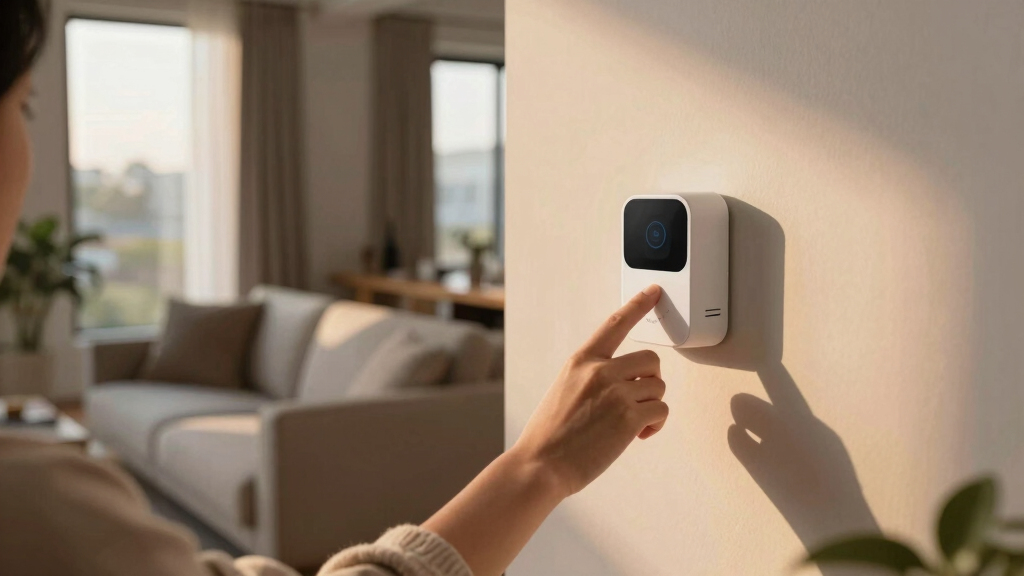
When searching for the best smart occupancy sensor, the key concerns are accuracy, compatibility, and ease of installation. The Aqara Presence Sensor FP2 stands out for its multi-zone detection and compatibility with major ecosystems, making it ideal for comprehensive smart home setups. For more budget-friendly options, the TP-Link Tapo Motion Sensor offers solid performance with adjustable sensitivity. The SwitchBot Radar Sensor is a great choice for those prioritizing Bluetooth detection and simple integration. However, tradeoffs typically involve balancing detection range, ecosystem compatibility, and the sophistication of features. Continue reading for a detailed comparison to find the right fit for your needs.
Key Takeaways
- Most top sensors leverage mmWave radar for more reliable detection across different environments.
- Compatibility with major smart home ecosystems like Alexa, Google, and HomeKit varies and influences integration ease.
- Sensor placement and configuration significantly impact detection accuracy and false triggers.
- Higher-end models often include AI learning features or multi-zone detection for more precise automation.
- Battery life and ease of installation are common factors that differentiate entry-level from premium options.


More Details on Our Top Picks
Aqara Presence Sensor FP2, mmWave Radar Smart Motion Sensor with Multi-Zone and Fall Detection
The Aqara FP2 stands out as the most comprehensive option thanks to its millimeter-wave radar technology, which provides highly accurate multi-zone human presence detection without relying on cameras. Unlike the SwitchBot sensor, which offers flexible installation but less advanced detection, the FP2’s radar ensures precise monitoring, especially in multi-zone setups. Its support for fall detection makes it ideal for elderly care, but it requires a continuous power supply, which could be a drawback for some. While its 8-meter range is sufficient for many spaces, it isn’t designed for large open areas, so placement planning is necessary. This sensor is best suited for those prioritizing privacy and multi-zone detection in a fixed ceiling mount.
Pros:- Accurate multi-zone human presence detection with radar technology
- Supports fall detection and elderly care monitoring
- Seamless integration with multiple smart home ecosystems
- Privacy-focused with no camera required
Cons:- Requires continuous power supply with a 5V⎓1A adapter (not included)
- Limited to 8 meters detection range
- Fall detection only works when ceiling-mounted
Best for: Homeowners needing privacy-focused, multi-zone occupancy detection, especially for elderly care or sensitive environments.
Not ideal for: Users seeking a battery-powered device or coverage for large open spaces beyond 8 meters.
- Power Source:DC (power adapter not included)
- Maximum Range:8 meters
- Mounting Type:Ceiling Mount
- Battery:Not included
- Temperature Range:14°F to 104°F
- Compatible Devices:Alexa, HomeKit, Google Home, Home Assistant
- Waterproof Rating:IPX5
Bottom line: This pick makes the most sense for those seeking highly accurate, privacy-conscious detection with multi-zone coverage in fixed locations.
SwitchBot Smart mmWave Radar Motion Sensor with Bluetooth Presence Detection
The SwitchBot Smart mmWave Radar offers versatile placement options with magnetic mounting and an adjustable detection zone, making it ideal for those who want to retrofit existing spaces easily. Compared to the Aqara FP2, which is ceiling-mounted and more suited for fixed setups, the SwitchBot’s battery life of up to 2 years adds convenience, especially in areas where wiring isn’t feasible. Its detection range of 8 meters and 120° angle are sufficient for most small to medium rooms, but obstacles can interfere, and false triggers are possible without AI self-learning enabled. It requires a SwitchBot Hub for advanced automations, adding complexity for some users. This sensor is perfect for flexible placement and longer battery life, especially in retrofit scenarios.
Pros:- Accurate detection with radar, PIR, and light sensors
- Long battery life up to 2 years
- Flexible installation with magnetic base and adjustable detection zone
- Supports multiple smart platforms including Alexa, HomeKit, and Google
Cons:- Requires a SwitchBot Hub for full automation capabilities
- Detection range can be affected by obstacles
- Potential false triggers without AI self-learning enabled
Best for: Homeowners who want a versatile, battery-powered sensor for automating lighting or other functions without extensive wiring.
Not ideal for: Large open spaces or users seeking built-in AI self-learning features without additional hub setup.
- Detection Angle:120°
- Detection Range:Up to 8 meters
- Battery Life:Up to 2 years
- Power Source:Battery-powered
- Compatibility:Alexa, Apple HomeKit, Google, SwitchBot Hub, Home Assistant
Bottom line: This model makes the most sense for those needing a flexible, long-lasting sensor for retrofit installations and basic automations.
TP-Link Tapo Motion Sensor with Tapo Hub, Long Battery Life, Wide Detection Range, Adjustable Sensitivity
The TP-Link Tapo Motion Sensor offers extensive detection coverage with a range of up to 23 feet and customizable sensitivity, making it a solid choice for budget-conscious users needing broad indoor coverage. Unlike the Lutron Caseta, which emphasizes energy efficiency with a 10-year battery life and no hub, the Tapo sensor requires a Tapo Hub (sold separately) and operates over Wi-Fi, which could be a concern for those prioritizing simplicity. Its detection sensitivity can be fine-tuned, but the reliance on a Wi-Fi connection and the need for the hub can limit its appeal for some. This sensor best suits users looking for wide detection and adjustable sensitivity at a lower price point.
Pros:- Long battery life of up to 2 years
- Wide detection range and adjustable sensitivity
- Supports real-time notifications and smart actions
- Easy to install with adhesive or magnetic mount
Cons:- Requires a Tapo Hub for operation
- Limited to indoor use
- Dependent on 2.4 GHz Wi-Fi network
Best for: Homeowners wanting an affordable, wide-range motion sensor for indoor automation with customizable sensitivity.
Not ideal for: Users seeking a battery-free or hubless device or those who prefer Zigbee or Z-Wave protocols over Wi-Fi.
- Requires Tapo Hub:Yes, sold separately
- Connectivity:Sub-1G Low-Power Wireless Protocol
- Detection Range:up to 23 feet
- Detection Angle:120°
- Detection Sensitivity:Adjustable
- Battery:CR2450, included
- Battery Life:Up to 2 years
Bottom line: This pick makes sense for budget-focused users seeking broad indoor detection with customizable settings.
Lutron Caseta Smart Lighting Auto On/Off Motion Sensor, No Wires Required, White
The Lutron Caseta sensor excels in energy efficiency and ease of installation, with a battery life of up to 10 years and a 180° field of view. Unlike the TP-Link Tapo sensor, which requires a hub and Wi-Fi, the Caseta system uses its dedicated Lutron Smart Hub, providing a more reliable, wire-free setup for controlling compatible Caseta devices. Its fine motion detection technology makes it suitable for automating lights and shades, but it’s limited to Lutron’s ecosystem, which could restrict options if broader integration is desired. The setup process can be slightly complex for new users, but its long battery life and no-wiring design make it appealing for minimal maintenance. This sensor is best for those committed to Lutron’s ecosystem seeking long-term, wire-free automation.
Pros:- Battery life up to 10 years
- Easy to install without wiring
- Wide 180° field of view and fine motion detection
- Supports customizable settings via app
Cons:- Requires Caseta Smart Hub for full functionality
- Limited to compatible Lutron devices
- Setup can be complex for new users
Best for: Homeowners invested in Lutron Caseta devices wanting a reliable, long-lasting, wire-free motion sensor.
Not ideal for: Users seeking a multi-brand compatible sensor or broader ecosystem integration beyond Lutron devices.
- Compatibility:Caseta smart devices
- Field of View:180°
- Battery Life:Up to 10 years
- Connectivity:Requires Caseta Lutron Smart Hub
- Sensor Technology:Advanced sensing technology
- Installation:Freestanding or wall-mounted
Bottom line: This choice makes sense for those already invested in Lutron’s ecosystem seeking a reliable, maintenance-free sensor.
Meross Matter Human Presence Sensor, 3-in-1 PIR, Light & mmWave Radar Motion Detector
The Meross Matter Sensor combines PIR, radar, and light sensing, delivering highly accurate detection across multiple parameters, making it ideal for complex automations. Its capability to work directly with Matter-compatible ecosystems ensures broad compatibility without extra hubs, unlike the Aqara FP2, which relies on specific integrations. Its pet-proof feature reduces false triggers, but the need for continuous power and potential setup complexity could deter some users. The detection range of 12 meters and wide 180° pivot and 360° rotation provide extensive coverage for indoor spaces. This sensor is best suited for users who want multi-sensor detection within a versatile, hubless ecosystem.
Pros:- Accurate multi-sensor detection with PIR, radar, and light sensing
- Supports multiple smart platforms via Matter and Wi-Fi
- Wide viewing angle and detection range
- Pet-proof shield prevents false triggers
Cons:- Requires continuous power supply
- Matter compatibility may require a hub or updates
- Setup could be complex for some users
Best for: Smart home enthusiasts seeking a multi-sensor, pet-proof presence detector compatible with multiple ecosystems without additional hubs.
Not ideal for: Users unprepared for continuous power supply or those needing simple, single-sensor solutions.
- Detection Range:up to 12 meters
- Presence Detection Range:up to 6 meters
- Viewing Angle:180° pivot, 360° rotation
- Power Supply:Continuous power required
- Connectivity:Wi-Fi 2.4GHz, Matter support
- Compatibility:HomeKit, Alexa, Google, Home Assistant, Meross app
Bottom line: This choice makes sense for users who want comprehensive, multi-parameter detection with broad ecosystem compatibility and minimal hub dependence.
Aqara Zigbee Presence Sensor FP1E, mmWave Radar Motion Sensor with AI Spatial Learning, Supports HomeKit, Alexa, Google Home, Matter
The Aqara FP1E stands out for its combination of high-precision mmWave radar technology and extensive smart home ecosystem support. Unlike the Enbrighten Z-Wave sensor, which relies on traditional PIR detection, this model uses AI-driven spatial learning to minimize false alarms and adapt to room activity, making it ideal for more dynamic environments. Its support for Matter and multiple platforms ensures broad compatibility, though it requires an Aqara Zigbee 3.0 Hub, adding extra setup complexity. The magnetic and adhesive mounting options make installation straightforward, but the need for an external power source and limited third-party hub compatibility could be drawbacks for some users. Overall, this sensor is perfect for those who prioritize accuracy and ecosystem flexibility at a slightly higher setup complexity.Pros:- Highly accurate detection thanks to mmWave radar technology
- Supports multiple smart home ecosystems including Matter
- AI spatial learning reduces false alarms and adapts sensitivity
- Easy to install with magnetic and adhesive options
Cons:- Requires Aqara Zigbee 3.0 Hub (not included)
- Battery not included, needs external power source
- Limited compatibility outside Aqara ecosystem
Best for: Homeowners invested in a Zigbee-compatible smart home ecosystem seeking reliable, AI-enhanced detection.
Not ideal for: Users who prefer a plug-and-play solution without extra hubs or who do not use Zigbee networks.
- Power Source:DC
- Maximum Range:6 meters
- Mounting Type:Ceiling Mount
- Battery Description:Battery not included
- Compatible Devices:Homekit, Alexa, Google Home, Home Assistant, Homey, Matter over Bridge
- Item Dimensions:2.24″D x 1.97″W x 1.18″H
Bottom line: This sensor is best suited for tech-savvy users who want precise detection and broad ecosystem integration despite requiring additional hardware.
Enbrighten Z-Wave Smart Motion Sensor Light Indoor, On/Off, Vacancy/Occupancy Sensor, Includes White & Almond, Works with SmartThings, Wink, & Alexa
The Enbrighten Z-Wave sensor offers a flexible and customizable approach to motion detection, making it a practical choice for budget-conscious smart home setups. Compared with the Aqara FP1E, it relies on traditional Z-Wave technology, which may lack the advanced sensitivity of mmWave sensors but provides straightforward compatibility with popular hubs like SmartThings and Wink. Its adjustable light sensing and time-out settings give users control over automation, though setup requires a neutral wire and some familiarity with Z-Wave configurations. The interchangeable button colors help match decor, but the need for a compatible Z-Wave hub could be a barrier for those with simpler systems. Overall, this sensor is a smart pick for those wanting reliable, adaptable detection without the higher cost or complexity of radar-based models.Pros:- Customizable motion detection modes and light sensing
- Interchangeable button colors for aesthetic flexibility
- Extends Z-Wave signal range for broader coverage
- Compatible with major smart home hubs
Cons:- Requires Z-Wave hub for operation
- Neutral wire needed for installation
- Setup can be complex for beginners
Best for: Budget-conscious homeowners with existing Z-Wave hubs seeking customizable motion and light detection.
Not ideal for: Users without neutral wiring or those seeking the latest radar-based detection technology.
- Motion Detection Modes:Occupancy, Vacancy, Manual
- Light Sensing:Yes
- Time-out Durations:5 seconds to 30 minutes
- Sensitivity Levels:3 levels
- Compatibility:Z-Wave hubs (SmartThings, Wink, Alexa)
- Range Extender:Yes, up to 150ft
Bottom line: This sensor delivers reliable, flexible detection ideal for users already invested in Z-Wave ecosystems who value customization over cutting-edge tech.
Wireless Human Presence Sensor LWR01, mmWave Radar, Occupancy & Motion Sensor, Battery-Powered, IPX3 Water Resistant, Matter Over Thread
The LWR01 leverages mmWave radar for sensitive detection of movement and stillness within 6 meters, making it well-suited for environments like bathrooms or outdoor patios. Its IPX3 water resistance surpasses many indoor-only sensors, and the long-lasting battery life reduces maintenance. Unlike the Aqara FP1E, which requires a hub and is more suited for indoor use, this model’s wireless, battery-powered design offers more flexibility for placement. Its support for Matter over Thread ensures compatibility with many ecosystems, provided you have the right hub or router. However, its detection range is limited for large spaces, and setup demands a compatible smart home hub. This makes it ideal for moisture-prone zones where smart detection can enhance automation without extensive wiring.Pros:- High sensitivity detection for subtle movements
- Long battery life of over a year
- Water-resistant IPX3 design suitable for moist environments
- Supports Matter over Thread for broad ecosystem compatibility
Cons:- Limited detection range for large areas
- Requires a compatible hub or router for setup
- Setup depends on latest iOS/Android updates
Best for: Homeowners needing a water-resistant sensor for bathrooms, laundry rooms, or outdoor porches with smart home hub support.
Not ideal for: Large open spaces requiring extensive coverage or users without a Thread-compatible hub.
- Technology:mmWave Radar
- Detection Range:3.5m (still), 6m (movement)
- Water Resistance:IPX3
- Power:Battery-powered, over 1 year
- Connectivity:Matter over Thread
- Compatibility:HomeKit, Alexa, Google, SmartThings, HomeAssistant
Bottom line: This sensor excels in moisture-prone environments where discreet, reliable detection enhances automation without wiring hassles.
WiZ Connected Indoor Motion Sensor – 1-Pack
The WiZ Connected Indoor Motion Sensor stands out for its straightforward setup and seamless Wi-Fi connectivity, making it ideal for those who want quick installation without hubs. Compared to the ThirdReality Zigbee Motion Sensor, which requires a Zigbee hub, this sensor offers an immediate Wi-Fi connection, reducing complexity for most users. However, this convenience comes with the tradeoff that it only works within the WiZ ecosystem, limiting cross-platform integrations. Its ability to customize lighting scenes and schedules adds an extra layer of user experience focused on wellbeing. While not suited for smart homes with multiple ecosystems, it excels for users seeking a plug-and-play solution with basic automation needs.
Pros:- Simple to install and connect via Wi-Fi without hubs
- Supports customizable lighting scenes for wellbeing
- Easy to control through the WiZ app
Cons:- Limited to WiZ ecosystem, restricting integration options
- Requires active Wi-Fi connection for operation
Best for: Homeowners who prioritize quick setup and Wi-Fi-based lighting automation without needing extensive platform compatibility.
Not ideal for: Tech enthusiasts who want broad smart home integration or use multiple ecosystems, as it is restricted to WiZ products.
- Connectivity:Wi-Fi 2.4GHz
- Power:Batteries included
- Pack Size:1-pack
Bottom line: Ideal for users seeking an easy, Wi-Fi-based motion sensor primarily focused on lighting automation.
TREATLIFE WiFi Presence Sensor 1 Pack, 24GHz mmWave Radar Smart Motion Sensor, Wired, Alexa/Google Home Compatible
The TREATLIFE WiFi Presence Sensor offers precise human detection using 24GHz mmWave radar technology, making it a top choice for those who want accurate presence detection without a hub. Unlike the ThirdReality Zigbee Motion Sensor, which relies on a Zigbee hub, this model connects directly over Wi-Fi, simplifying setup for tech-savvy users. Its impressive detection range of up to 20 feet and flexible mounting options make it suitable for various indoor spaces. However, it’s limited to dry areas and doesn’t support SmartThings or IFTTT, which could restrict broader smart home automation. Its privacy-focused radar detection is a significant advantage over camera-based sensors, especially in sensitive environments.
Pros:- No hub required, easy Wi-Fi setup
- High-precision radar detection with privacy in mind
- Flexible mounting options for diverse spaces
- Supports real-time alerts and automation
Cons:- Limited to dry indoor environments
- Does not support SmartThings or IFTTT integrations
- Requires 5V 1A USB power supply
Best for: Homeowners seeking precise, hub-free motion detection for dry indoor environments with compatibility for Alexa or Google Assistant.
Not ideal for: Wet or humid areas like bathrooms or kitchens, as it isn’t waterproof, and users wanting broad platform support beyond Alexa and Google Assistant.
- Power Source:Corded Electric
- Maximum Range:20 Feet
- Mounting Type:Wall or Ceiling
- Frequency:24 GHz
Bottom line: Best suited for users needing accurate, hubless radar detection in dry indoor spaces with voice assistant support.
ThirdReality Zigbee Motion Sensor, Pet Friendly, Compatible with Home Assistant, SmartThings, Aeotec, Homey, Hubitat, Echo Devices with Built-in Zigbee Hub
The ThirdReality Zigbee Motion Sensor makes a compelling choice for users who want a pet-friendly, long-lasting motion sensor compatible across multiple Zigbee platforms like SmartThings and Home Assistant. Its wireless Zigbee connection makes it ideal for those already invested in Zigbee hubs, providing broad automation possibilities. Compared to the WiZ Connected Sensor, which relies solely on Wi-Fi, this sensor’s Zigbee protocol offers more robust mesh networking and potentially more reliable operation in busy smart environments. Still, the need for a Zigbee hub and its limited detection range of 20 feet might be drawbacks for those seeking simple or wider coverage. Its pet-friendly design minimizes false alarms caused by pets, a significant advantage for busy households.
Pros:- Easy to install with quick setup
- Long battery life of approximately 2 years
- Compatible with multiple smart home platforms
- Pet-friendly design reduces false alarms
Cons:- Requires a Zigbee hub for operation
- Limited detection range of 20 feet
- Indoor use only
Best for: Smart home users with Zigbee hubs looking for a pet-friendly, multi-platform compatible motion sensor with long battery life.
Not ideal for: Users without Zigbee hubs or those seeking a Wi-Fi-only solution, since it requires a Zigbee hub to operate.
- Compatibility:Zigbee hubs, Echo with Zigbee
- Detection Range:20 feet
- Batteries:2 AAA
- Battery Life:Up to 2 years
- Indoor Use:Yes
Bottom line: Ideal for Zigbee ecosystem users seeking a reliable, pet-friendly motion sensor with long battery life.
How We Picked
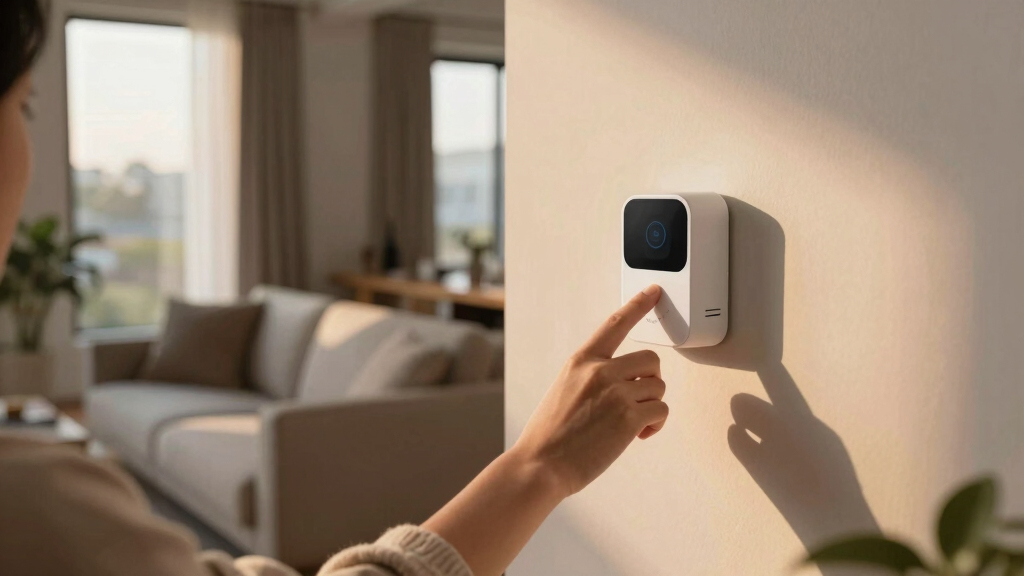
Products were evaluated based on detection performance, compatibility with popular smart home platforms, ease of installation, build quality, and value for money. We prioritized sensors that offer reliable, accurate detection across various environments and user-friendly setup processes. The ranking reflects a balance between advanced features and practical usability, ensuring options suit both tech-savvy homeowners and those new to smart automation. Devices with broader ecosystem support and proven reliability scored higher, while those with limited integrations or inconsistent detection were rated lower.Factors to Consider When Choosing Best Smart Occupancy Sensor
Choosing the best smart occupancy sensor requires understanding a few critical factors beyond just specs. The right sensor should seamlessly integrate with your existing smart home system, offer reliable detection, and be easy to install without extensive wiring. Considering these broader aspects can help you avoid common pitfalls like false triggers or compatibility issues, ultimately ensuring your automation works smoothly and consistently.Detection Technology and Accuracy
Opting for sensors that use mmWave radar or PIR with AI learning can dramatically improve detection reliability. Radar-based sensors tend to be less affected by environmental factors like lighting or furniture, reducing false triggers. However, they may be pricier and sometimes more complex to set up. PIR sensors are generally simpler and cheaper but can struggle in certain lighting conditions or with small pets. Balancing technology and accuracy needs depends on your specific environment and automation goals.
Compatibility with Smart Home Ecosystems
Compatibility is critical for seamless operation. Devices supporting protocols like Zigbee, Z-Wave, or Matter tend to integrate more reliably with systems like SmartThings, Hubitat, or Apple HomeKit. Some sensors work better with specific hubs or voice assistants, so confirm your existing setup before purchasing. Investing in a sensor with broad ecosystem support simplifies future expansions and reduces integration headaches.
Installation and Placement Flexibility
Consider how easy it is to install and where you can place the sensor. Wireless, battery-powered models offer flexible placement but watch for battery life and maintenance needs. Wired sensors might be more reliable long-term but require more effort to install. Proper placement—like at entry points or room centers—maximizes detection accuracy and minimizes false alarms. Think about your space layout and whether you prefer a plug-and-play or more permanent solution.
Environmental Durability and Water Resistance
If you plan to use sensors outdoors or in humid areas, look for models with water resistance or weatherproof ratings. Indoor sensors typically focus on aesthetics and ease of use, but outdoor models must withstand weather conditions. Skipping this can lead to sensor failure or false triggers due to environmental factors. Match durability features with your intended installation environment for reliable performance.
Cost and Feature Tradeoffs
Higher-priced sensors often include advanced features like AI learning, multi-zone detection, or broader ecosystem support. Cheaper models may be simpler but can suffer from false triggers or limited functionality. Decide which features matter most for your automation goals and budget accordingly. Sometimes, investing a bit more upfront yields a more reliable, long-term solution with fewer frustrations.
Frequently Asked Questions
Will a smart occupancy sensor work with my existing smart home system?
Most occupancy sensors support common protocols like Zigbee, Z-Wave, or Wi-Fi, making them compatible with popular hubs and platforms such as SmartThings, Hubitat, or Apple HomeKit. Always check the product specifications to confirm compatibility with your current setup. If you’re unsure, choosing a sensor supporting multiple protocols or a universal standard like Matter can provide broader interoperability and future-proofing.
How do I prevent false triggers from pets or environmental factors?
Many sensors offer adjustable sensitivity settings, which help tailor detection to your environment. Some advanced models include pet immunity features or AI-based learning that distinguish between humans and pets. Proper placement also plays a role—placing sensors at appropriate heights and angles can minimize false alarms. Combining these strategies ensures your automation remains reliable without frequent false triggers.
Can these sensors be installed outdoors?
Outdoor use depends on the specific model’s weather resistance rating. Look for sensors with IP ratings like IP65 or higher for outdoor environments. Indoor sensors generally lack the durability needed to withstand weather, and using them outside may lead to malfunction. Always verify outdoor suitability before installation to ensure longevity and dependable operation.
What is the typical battery life for wireless occupancy sensors?
Battery life varies widely based on usage, sensor features, and power management. Many models last from 6 months to over a year on a single set of batteries, with some high-end options offering even longer periods. Consider how often you’ll need to replace batteries and whether the sensor’s power source aligns with your maintenance preferences. Devices with energy-efficient modes tend to provide longer service between replacements.
Is it worth investing in a premium sensor with AI features?
Premium sensors with AI learning and multi-zone detection can significantly improve accuracy and reduce false triggers, especially in complex environments. However, they come at a higher cost and may require more setup and calibration. If your automation relies heavily on precise detection—such as in large or busy spaces—these features can be worthwhile. For simpler needs, more basic sensors may offer the best value without unnecessary complexity.
Conclusion
For most homeowners seeking an all-around reliable solution, the Aqara Presence Sensor FP2 offers excellent detection and broad compatibility, making it the best overall pick. Budget-conscious users should consider the TP-Link Tapo Motion Sensor for solid performance at a lower price. Those looking for premium features and AI-driven accuracy will find the Meross Matter Sensor or similar high-end models worthwhile investments. Beginners will benefit from plug-and-play options with simple setup, while advanced users should prioritize sensors with multi-zone detection and extensive ecosystem support. Tailor your choice to your specific automation needs and environment for the best experience.