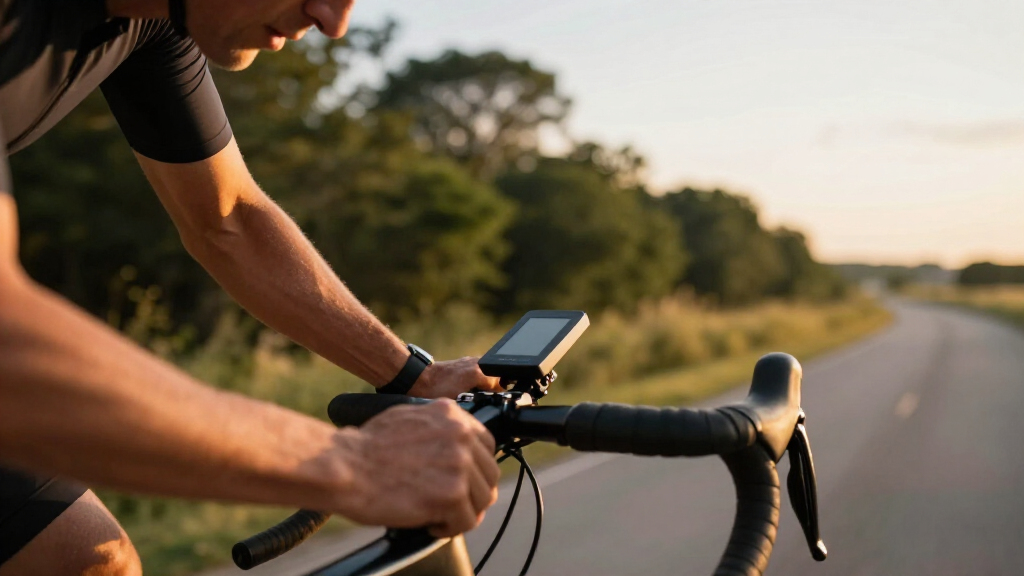

If you’re searching for the best bike computers, you’re likely looking for a device that combines accurate GPS tracking, user-friendly interfaces, and reliable data. The Garmin Edge 1050 Premium stands out as the overall top pick for its feature-rich experience, while the Wahoo ELEMNT Bolt V3 offers exceptional ease of use for quick on-the-road checks. For those interested in solar charging, the Garmin Edge 1040 Solar provides extended battery life without frequent recharges. However, choosing the right bike computer involves tradeoffs like price, complexity, and compatibility. Keep reading to see how these options compare and which might suit your riding style best.

Get home appliances delivered free with Prime
- Fast, free delivery on millions of items
- Prime Video, Amazon Music and more included
- Member-only deals all year
Complete the kit


Key Takeaways
- The top-ranked models balance advanced navigation features with ease of use and durable build quality.
- Price varies significantly; premium options typically include solar charging or extensive mapping, while budget models focus on core GPS functions.
- Compatibility with accessories like power meters and e-bikes is a key differentiator among high-end models.
- Size and screen clarity matter for quick readability during rides, with some models offering touchscreens and others buttons.
- Battery life remains a critical factor, especially for long-distance cyclists and multi-day riders.
| Garmin Edge 1050 Premium Bicycle Computer Bundle |  | Best Overall | Battery Life: Up to 20 hours, 60 hours in battery saver mode | Display: Vivid color touchscreen | Includes: Cycling computer, USB charging adapter, USB Type C cable, cleaning kit, P-Bank battery, car charging adapter | VIEW LATEST PRICE | See Our Full Breakdown |
| iGPSPORT BSC500 GPS Bike Computer with 3.3” Touchscreen, Voice Navigation, and Climb Training |  | Best for Navigation and Training | Screen Size: 3.3 inches | Navigation: GPS, Beidou, GLONASS, GALILEO, QZSS | Features: Touchscreen, voice navigation, climb training, route import/export, turn reminders | VIEW LATEST PRICE | See Our Full Breakdown |
| Garmin Edge 1040 Solar GPS Bike Computer with Solar Charging |  | Best for Extended Adventures | Control Method: Application | Special Feature: Bluetooth | Battery Life: Up to 100 hours in battery saver mode, 45 hours in demanding use | VIEW LATEST PRICE | See Our Full Breakdown |
| Garmin Edge Explore 2 GPS Cycling Computer, eBike Compatible, Maps & Navigation, Safety Features (Renewed) |  | Best for Versatile and Easy Use | Compatible Vehicle Type: Bicycle, eBike | Screen Size: 3 inches | Battery Life: 16 hours | VIEW LATEST PRICE | See Our Full Breakdown |
| Garmin Edge 540 Compact GPS Cycling Computer | 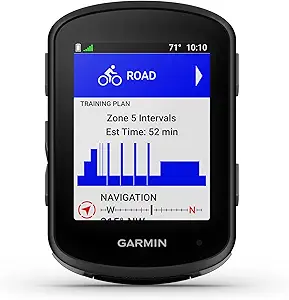 | Best for Serious Riders Who Value Compact Design | Battery life: Up to 26 hours (standard), up to 42 hours (battery saver mode) | Navigation: Multi-band GNSS | Display: Button controls, ride type-specific maps | VIEW LATEST PRICE | See Our Full Breakdown |
| Garmin Edge 1050 Premium Cycling Computer Bundle |  | Best Overall | Battery Life: Up to 20 hours, 60 hours in battery saver mode | Display: Vivid color touchscreen | Safety Features: Road hazard alerts, incident detection, Group Ride messaging | VIEW LATEST PRICE | See Our Full Breakdown |
| Garmin Edge Explore 2 GPS Cycling Navigator |  | Best for Easy Navigation | Display: 3-inch high-resolution touchscreen | Preloaded Maps: Road, off-road, indoor activity profiles | Navigation: Turn-by-turn, bike-specific maps | VIEW LATEST PRICE | See Our Full Breakdown |
| Garmin Edge 1050 Premium Cycling Computer |  | Best for Serious Training | Battery Life: Up to 20 hours (demanding use), up to 60 hours (battery saver mode) | Display: Vivid color touchscreen | Connectivity: Smartphone, Garmin Connect, Garmin Pay | VIEW LATEST PRICE | See Our Full Breakdown |
| Hammerhead Karoo Bike Computer Wireless GPS ANT+/BLE/GPS/GNSS |  | Best for Tech Savvy Riders | Display Size: 3.2 inches | Display: LCD | Battery Life: 15 hours | VIEW LATEST PRICE | See Our Full Breakdown |
| Garmin Edge 550 Compact GPS Cycling Computer |  | Best Compact Choice | Battery Life: Up to 12 hours, up to 36 hours in battery saver | Display: Vivid color display | Navigation: Preloaded maps for road, gravel, and trails | VIEW LATEST PRICE | See Our Full Breakdown |
| Garmin Edge 840, Compact GPS Cycling Computer |  | Best Overall for Advanced Riders | Battery Life: up to 26 hours in demanding use, up to 32 hours in battery saver mode | Display: Touchscreen and button control | Navigation: Multi-band GNSS technology | VIEW LATEST PRICE | See Our Full Breakdown |
| Garmin Edge 850 GPS Cycling Computer |  | Best for Versatile Navigation and Connectivity | Display: Vivid color touchscreen with button controls | Battery Life: Up to 12 hours in demanding use, 36 hours in power saver mode | Maps: Preloaded for various terrains including Trailforks | VIEW LATEST PRICE | See Our Full Breakdown |
| Wahoo ELEMNT Bolt V3 GPS Cycling/Bike Computer, Black |  | Best for Turn-by-Turn Navigation and Live Tracking | Navigation: Turn-by-turn prompts with LEDs and audible cues | Route Downloads: Automatic via apps like Strava and Komoot | Route Creation: On-device and app-based | VIEW LATEST PRICE | See Our Full Breakdown |
| Bryton Rider S810 3.5 Inch Color Touchscreen GPS Bike Computer |  | Best for Long-Distance and Off-Grid Adventures | Screen Size: 3.5 inches | Battery Life: 50 hours | Navigation: Offline maps & turn-by-turn guidance | VIEW LATEST PRICE | See Our Full Breakdown |
| bike computer | Battery Life | Display | Connectivity | Navigation |
|---|---|---|---|---|
| Garmin Edge 1050 Premium Bicyc | Up to 20 hours, 60 hours in battery saver mode | Vivid color touchscreen | — | — |
| iGPSPORT BSC500 GPS Bike Compu | — | — | — | GPS, Beidou, GLONASS, GALILEO, QZSS |
| Garmin Edge 1040 Solar GPS Bik | Up to 100 hours in battery saver mode, 45 hours in demanding use | — | — | — |
| Garmin Edge Explore 2 GPS Cycl | 16 hours | — | — | — |
| Garmin Edge 540 Compact GPS Cy | Up to 26 hours (standard), up to 42 hours (battery saver mode) | Button controls, ride type-specific maps | Smart connectivity with compatible devices | Multi-band GNSS |
| Garmin Edge 1050 Premium Cycli | Up to 20 hours, 60 hours in battery saver mode | Vivid color touchscreen | Smart notifications, Garmin Pay, seamless integration with smart trainers and eBikes | — |
| Garmin Edge Explore 2 GPS Cycl | — | 3-inch high-resolution touchscreen | Smartphone pairing, LiveTrack, GroupTrack | Turn-by-turn, bike-specific maps |
| Garmin Edge 1050 Premium Cycli | Up to 20 hours (demanding use), up to 60 hours (battery saver mode) | Vivid color touchscreen | Smartphone, Garmin Connect, Garmin Pay | — |
| Hammerhead Karoo Bike Computer | 15 hours | LCD | USB, ANT+, BLE | — |
| Garmin Edge 550 Compact GPS Cy | Up to 12 hours, up to 36 hours in battery saver | Vivid color display | Smart notifications, incident detection, LiveTrack | Preloaded maps for road, gravel, and trails |
| Garmin Edge 840 | up to 26 hours in demanding use, up to 32 hours in battery saver mode | Touchscreen and button control | — | Multi-band GNSS technology |
| Garmin Edge 850 GPS Cycling Co | Up to 12 hours in demanding use, 36 hours in power saver mode | Vivid color touchscreen with button controls | Smart notifications, Garmin Pay, incident detection | — |
| Wahoo ELEMNT Bolt V3 GPS Cycli | — | — | — | Turn-by-turn prompts with LEDs and audible cues |
| Bryton Rider S810 3.5 Inch Col | 50 hours | — | Bluetooth, ANT+ | Offline maps & turn-by-turn guidance |
More Details on Our Top Picks
Garmin Edge 1050 Premium Bicycle Computer Bundle
The Garmin Edge 1050 Premium stands out as the most comprehensive cycling computer, combining a vivid color touchscreen with advanced navigation, safety features, and long battery life, making it ideal for serious enthusiasts and long-distance riders. Compared to the Garmin Edge 1040 Solar, it offers fewer hours in demanding use but compensates with a more complete bundle, including accessories that support extended rides. Its detailed maps and incident detection provide peace of mind, yet the complex interface may challenge casual cyclists unfamiliar with high-end tech. For those who prioritize robust features and durability, this bundle delivers a top-tier experience—albeit at a premium price.
Pros:- Vivid color touchscreen with detailed maps and stats
- Long battery life suitable for extended rides
- Advanced safety features like incident detection and hazard alerts
- Includes comprehensive accessories for extended use
Cons:- Premium price may be high for casual cyclists
- Complex features could require a learning curve
- Bulkier bundle with multiple accessories
Best for: Serious cyclists and long-distance riders who want an all-in-one, feature-rich device with safety and extended battery capabilities.
Not ideal for: Casual riders or beginners who prefer simple, budget-friendly options and do not need advanced safety features or detailed maps.
- Battery Life:Up to 20 hours, 60 hours in battery saver mode
- Display:Vivid color touchscreen
- Includes:Cycling computer, USB charging adapter, USB Type C cable, cleaning kit, P-Bank battery, car charging adapter
Our verdict“This computer is best suited for dedicated cyclists seeking a fully equipped, high-performance device for demanding rides.”
iGPSPORT BSC500 GPS Bike Computer with 3.3” Touchscreen, Voice Navigation, and Climb Training
The iGPSPORT BSC500 excels in offering a large, user-friendly touchscreen with multi-band satellite positioning, making it a strong choice for cyclists who prioritize accurate navigation and training analysis. Unlike the Garmin Edge 1050, it provides a more straightforward interface and route planning features that appeal to those who want clear, accessible guidance without clutter. However, with no specified battery life and limited waterproofing info, it may fall short for long or wet rides. This pick makes the most sense for riders who value easy navigation and route customization over extensive safety features or advanced connectivity.
Pros:- Large, easy-to-use touchscreen display
- Accurate multi-band satellite positioning
- Supports route import from popular apps like Strava and Komoot
- Voice navigation enhances riding safety
Cons:- Battery life not specified, limiting long-distance planning
- Limited details on waterproofing and durability
- No additional accessories included
Best for: Cyclists focused on navigation, route planning, and training insights, especially those who prefer touchscreen simplicity and voice alerts.
Not ideal for: Riders who need detailed safety features or long battery life for multi-day adventures, as these aspects are less emphasized here.
- Screen Size:3.3 inches
- Navigation:GPS, Beidou, GLONASS, GALILEO, QZSS
- Features:Touchscreen, voice navigation, climb training, route import/export, turn reminders
Our verdict“Ideal for riders seeking straightforward, reliable navigation and training features in a simple touchscreen device.”
Garmin Edge 1040 Solar GPS Bike Computer with Solar Charging
The Garmin Edge 1040 Solar pushes the limits with solar charging, offering an impressive battery life that can reach up to 100 hours in battery saver mode—perfect for ultra-distance rides. Its multi-band GNSS technology ensures accurate positioning even in challenging environments, surpassing the Garmin Edge 540 in extreme conditions. However, its complex setup and higher price point might deter casual users or those new to advanced GPS devices. The need for compatible sensors for full performance can also add to the overall cost. This model is best for cyclists who prioritize endurance and precision over simplicity and affordability.
Pros:- Extended battery life with solar charging
- Accurate multi-band GNSS for difficult terrains
- User-friendly interface despite advanced features
- Smart connectivity with popular apps
Cons:- Higher price for advanced features
- Requires compatible sensors for full functionality
- Complex setup may be intimidating for new users
Best for: Endurance riders and long-distance cyclists who need maximum battery life, reliable navigation, and advanced performance tracking.
Not ideal for: Casual riders or beginners seeking a simple, affordable device without the need for extensive sensor integration.
- Control Method:Application
- Special Feature:Bluetooth
- Battery Life:Up to 100 hours in battery saver mode, 45 hours in demanding use
- Solar Charging:Yes
- GNSS Technology:Multi-band GNSS
- Compatible Sensors:Yes
Our verdict“Designed for serious cyclists who need endurance, precision, and durability in challenging environments.”
Garmin Edge Explore 2 GPS Cycling Computer, eBike Compatible, Maps & Navigation, Safety Features (Renewed)
The Garmin Edge Explore 2 offers a friendly, intuitive experience, especially suited for riders who want preloaded maps and navigation without the complexity of higher-end models like the Garmin Edge 1050. Its 3-inch touchscreen, safety alerts, and eBike compatibility make it a versatile choice for a variety of cycling adventures. Compared with the Garmin Edge 540, it sacrifices some performance tracking features for simplicity and ease of use, making it more accessible for casual riders or newcomers. The necessity of pairing with sensors and reliance on smartphone connectivity can be downsides for those seeking a completely standalone system. This device is best for recreational and casual riders who value straightforward navigation and safety features.
Pros:- User-friendly touchscreen interface
- Preloaded maps for various riding styles
- Compatibility with eBike systems and safety alerts
- Longer battery life of up to 16 hours
Cons:- Requires pairing with sensors for full monitoring
- Some features depend on smartphone connectivity
- Price may be higher than basic models
Best for: Casual cyclists, recreational riders, and eBike users looking for an easy-to-use GPS with safety features and preloaded maps.
Not ideal for: Performance-focused cyclists or those needing detailed training analytics and advanced navigation customization.
- Compatible Vehicle Type:Bicycle, eBike
- Screen Size:3 inches
- Battery Life:16 hours
- Memory Storage Capacity:16 GB
- Touch Screen Type:Capacitive
- Display Type:LCD or LED
Our verdict“Best suited for casual and recreational riders who want straightforward navigation and safety in a simple package.”
Garmin Edge 540 Compact GPS Cycling Computer
The Garmin Edge 540 offers a compelling balance of advanced navigation and performance metrics in a more compact form, making it ideal for riders who want detailed ride analytics without the bulk of larger models like the Edge 1050. Its multi-band GNSS technology ensures precise positioning, and features like ClimbPro and stamina insights help serious cyclists optimize their efforts. However, its complex feature set may require some learning, and it demands compatible sensors for full use—similar to the Edge 1040. Compared with the Edge 1040 Solar, it sacrifices solar charging but makes up for it with a smaller form factor, making it perfect for riders who want high-end features in a more portable package.
Pros:- Accurate multi-band GNSS for challenging environments
- Long battery life suitable for most rides
- Personalized coaching and ride-specific maps
- Small, lightweight design for portability
Cons:- Complex features may require learning
- Higher price for advanced capabilities
- Requires compatible sensors for full functionality
Best for: Dedicated cyclists seeking advanced navigation, performance tracking, and a compact device that doesn’t compromise on features.
Not ideal for: Beginners or casual riders who need a straightforward, budget-friendly computer without extensive analytics or GPS features.
- Battery life:Up to 26 hours (standard), up to 42 hours (battery saver mode)
- Navigation:Multi-band GNSS
- Display:Button controls, ride type-specific maps
- Connectivity:Smart connectivity with compatible devices
Our verdict“This device is best for experienced cyclists who want a compact, feature-rich GPS computer for demanding rides.”
Garmin Edge 1050 Premium Cycling Computer Bundle
The Garmin Edge 1050 Premium Cycling Computer Bundle stands out for its vivid color touchscreen and comprehensive safety features, making it ideal for serious cyclists who want more than just navigation. Its extended battery life up to 60 hours in battery saver mode outperforms many competitors like the Garmin Edge Explore 2, which offers only 12 hours of runtime. However, its premium price and bulkier design may deter casual riders or those seeking a lightweight device. This bundle includes essential accessories, adding value for long-distance riders. Compared to the Garmin Edge 1040 Solar, the 1050 is more feature-rich but also more complex to operate, which could be a barrier for newcomers. The device’s safety features like incident detection and hazard alerts are especially beneficial for riders on remote trails or during group rides. Overall, this pick is best suited for experienced cyclists who prioritize performance, safety, and extended use, accepting the higher cost and learning curve.
Pros:- Vivid color touchscreen with intuitive navigation
- Battery life up to 60 hours in battery saver mode, ideal for long rides
- Advanced safety features like incident detection and hazard alerts
- Includes useful accessories and cleaning kit
Cons:- Premium price may be prohibitive for casual users
- Complex feature set may require a learning curve
- Bulkier size compared to basic cycling computers
Best for: Serious cyclists and training enthusiasts seeking a feature-rich, durable device for long rides and safety.
Not ideal for: Casual riders or beginners who prefer simple, lightweight computers with straightforward interfaces.
- Battery Life:Up to 20 hours, 60 hours in battery saver mode
- Display:Vivid color touchscreen
- Safety Features:Road hazard alerts, incident detection, Group Ride messaging
- Connectivity:Smart notifications, Garmin Pay, seamless integration with smart trainers and eBikes
- Included Accessories:USB Charging Adapter, USB Type C Charging Cable, Diginerds Cleaning Kit
Our verdict“This device is perfect for experienced cyclists who want a robust, feature-packed computer, despite its higher cost and size.”
Garmin Edge Explore 2 GPS Cycling Navigator
The Garmin Edge Explore 2 is designed with simplicity in mind, making it the ideal choice for riders who want reliable navigation without the complexity of advanced training features. Its bright 3-inch touchscreen and preloaded bike-specific maps provide turn-by-turn guidance on both road and off-road trails, which sets it apart from the more feature-dense Garmin Edge 1050. Safety features like incident detection are included, enhancing security during solo rides. Unlike the Edge 1050, it doesn’t offer performance metrics or personalized coaching, making it less suited for competitive training. Its reliance on smartphone pairing for certain features might be inconvenient for some users, and additional sensors are sold separately. This model suits casual riders, tourists, or mountain bikers who prioritize straightforward navigation and safety over detailed performance data, but it may not satisfy those seeking training analytics.
Pros:- User-friendly touchscreen interface
- Preloaded with bike-specific maps and turn-by-turn navigation
- Safety features like incident detection and alerts
- Compatible with sensors and eBike systems
Cons:- Requires smartphone connection for some functionalities
- Additional sensors and devices sold separately
- Limited advanced training features
Best for: Casual cyclists, mountain bikers, or tourists needing easy-to-use navigation and safety features.
Not ideal for: Advanced training enthusiasts or racers who require in-depth performance data and coaching tools.
- Display:3-inch high-resolution touchscreen
- Preloaded Maps:Road, off-road, indoor activity profiles
- Navigation:Turn-by-turn, bike-specific maps
- Connectivity:Smartphone pairing, LiveTrack, GroupTrack
- Safety Features:Incident detection, assistance alerts
Our verdict“This GPS bike computer makes the most sense for riders who value simple, reliable navigation and safety, without the complexity of high-end performance metrics.”
Garmin Edge 1050 Premium Cycling Computer
The Garmin Edge 1050 Premium stands out for its combination of advanced navigation, performance tracking, and smart features, making it ideal for competitive cyclists and serious enthusiasts. Its vibrant color touchscreen provides clear maps and stats, outperforming simpler models like the Edge 550 in display quality. The device’s extensive performance tools, including personalized coaching, ClimbPro ascent planner, and real-time stamina estimates, cater to those pushing their limits. Its long battery life up to 20 hours, or up to 60 in battery saver mode, supports extended rides or multi-day events. However, its complexity and higher price point can be overwhelming for beginners or casual riders, and its weight adds to the bulk. This computer is best suited for those who want detailed analytics, training tools, and smart connectivity, accepting the learning curve and cost.
Pros:- High-resolution color touchscreen for clear maps and stats
- Extended battery life supports long rides
- Advanced navigation, coaching, and performance features
- Smart connectivity including messaging and hazard alerts
Cons:- Complex features require some learning to use effectively
- Premium price point may not suit casual users
- Heavier device can be less convenient for some riders
Best for: Competitive cyclists and serious training riders seeking in-depth performance insights and navigation tools.
Not ideal for: Beginners or casual riders who prefer simple displays and minimal features.
- Battery Life:Up to 20 hours (demanding use), up to 60 hours (battery saver mode)
- Display:Vivid color touchscreen
- Connectivity:Smartphone, Garmin Connect, Garmin Pay
- Features:Navigation, hazard alerts, in-ride messaging, leaderboards, personalized coaching
- Built-in Speaker:Yes
Our verdict“Ideal for serious cyclists who value detailed analytics, training tools, and smart features despite the higher cost and learning curve.”
Hammerhead Karoo Bike Computer Wireless GPS ANT+/BLE/GPS/GNSS
The Hammerhead Karoo offers a high-performance GPS system with multi-band GNSS and seamless connectivity, making it a favorite among tech-savvy cyclists who want precise navigation. Its 3.2-inch LCD display provides good visibility, and the multi-band GNSS technology ensures better accuracy in challenging environments compared to single-band options. Its 15-hour battery life is respectable for extended rides, though slightly less than some Garmin models like the Edge 1050. The device’s setup can be complex for newcomers, and its size may be bulky for riders with smaller handlebars. Still, its intuitive touchscreen and ability to connect with ANT+ and BLE sensors make it a versatile choice for route management and sensor integration. It suits experienced riders who need top-tier navigation and connectivity, but less so for beginners or those looking for a compact device.
Pros:- Multi-band GNSS for highly accurate navigation
- Long battery life of 15 hours for extended rides
- Seamless ANT+ and BLE connectivity with sensors and devices
- Intuitive touchscreen interface
Cons:- Relatively large size may not suit all handlebars
- Setup process can be complex for newcomers
- Limited color options
Best for: Experienced cyclists and tech enthusiasts who prioritize precise navigation and sensor integration.
Not ideal for: Beginners or riders with smaller handlebar setups seeking a simple, lightweight device.
- Display Size:3.2 inches
- Display:LCD
- Battery Life:15 hours
- Sensor Type:GPS
- Connectivity:USB, ANT+, BLE
- Item Dimensions:8″L x 5″W x 3″H
Our verdict“This device is best for experienced riders who demand precise navigation and sensor connectivity, accepting its size and setup complexity.”
Garmin Edge 550 Compact GPS Cycling Computer
The Garmin Edge 550 offers a compact, lightweight design without sacrificing essential features, making it well-suited for riders who want a portable yet capable device. Its high-accuracy multi-band GPS and preloaded maps cover road, gravel, and trail riding, comparable to the Garmin Edge 1050 but in a smaller form factor. Its 12-hour battery life is suitable for most rides, though less than the Edge 1050 or Karoo models. Its safety features, including incident detection and LiveTrack, make it a good choice for solo riders. The main drawback is its setup complexity, which can challenge beginners, and the price remains high despite its smaller size. This pick is ideal for riders looking for a powerful, space-saving computer, especially those who prefer to keep their bike setup minimal but still want advanced mapping and safety features.
Pros:- High-precision multi-band GPS with detailed mapping
- Lightweight and compact for minimal bike clutter
- Long battery life up to 12 hours
- Includes safety features like incident detection and LiveTrack
Cons:- Setup may be challenging for new users
- Premium price for a smaller device
- Requires a compatible smartphone for full functionality
Best for: Urban commuters, trail riders, or racers needing a compact device with premium features.
Not ideal for: Beginners or riders who want a simple, no-fuss device with minimal setup.
- Battery Life:Up to 12 hours, up to 36 hours in battery saver
- Display:Vivid color display
- Navigation:Preloaded maps for road, gravel, and trails
- GPS:Multi-band GPS
- Connectivity:Smart notifications, incident detection, LiveTrack
- Additional Features:Weather overlays, hazard alerts, Garmin Coach training plans
Our verdict“This compact GPS cycling computer is ideal for riders who want high-end features in a small, portable form, despite some setup challenges.”
Garmin Edge 840, Compact GPS Cycling Computer
The Garmin Edge 840 stands out for its combination of advanced navigation and personalized training features, making it ideal for serious cyclists who want to optimize every ride. Compared to the Garmin Edge 850, it offers slightly shorter battery life but compensates with a more compact form factor, perfect for riders who prefer a less bulky device. Its multi-band GNSS provides reliable positioning even in challenging environments, and the detailed ride metrics support in-depth training analysis. However, the wealth of features introduces a learning curve, and its premium price might be a barrier for casual cyclists. This pick is best suited for experienced riders looking for top-tier navigation and coaching, willing to invest in a device that maximizes performance tracking.
Pros:- Accurate multi-band GNSS for challenging environments
- Personalized coaching and training prompts
- Long battery life suitable for extended rides
- Enhanced navigation with ride-specific maps
Cons:- Complex features may require a steep learning curve
- Premium price point might be high for casual users
- Requires compatible sensors for full feature utilization
Best for: Advanced cyclists seeking comprehensive training tools and reliable navigation in demanding conditions
Not ideal for: Casual riders or beginners who may find the complex features overwhelming and prefer simpler devices
- Battery Life:up to 26 hours in demanding use, up to 32 hours in battery saver mode
- Display:Touchscreen and button control
- Navigation:Multi-band GNSS technology
- Features:Suggested workouts, personalized coaching, ClimbPro ascent planner, ride type-specific maps, stamina insights, ride prompts
Our verdict“The Garmin Edge 840 is best for experienced cyclists who prioritize advanced navigation and performance insights over simplicity.”
Garmin Edge 850 GPS Cycling Computer
The Garmin Edge 850 offers a bright color touchscreen and extensive preloaded maps, making it ideal for riders tackling diverse terrains like trails or gravel. Its long 36-hour battery life in power saver mode exceeds many competitors, such as the Edge 840, which makes it a strong choice for all-day adventures. The multi-band GPS and detailed course creation tools support precise navigation, but the device’s array of features can be daunting for users new to cycling computers, and some functionalities depend on a paired smartphone. It’s perfect for riders who want detailed maps, smart connectivity, and extended battery life, especially if they ride across various environments and need reliable, all-in-one navigation.
Pros:- High-accuracy multi-band GPS with detailed tracking
- Preloaded maps and course creation features
- Extended battery life for all-day rides
- Smart notifications, Garmin Pay, incident detection
Cons:- Complex features may intimidate new users
- Price can be high for casual riders
- Dependent on smartphone for some functions
Best for: Cyclists who require robust mapping, long endurance, and smart features for multi-terrain rides
Not ideal for: Beginners or casual cyclists who prefer a straightforward device without complex setup or multiple features
- Display:Vivid color touchscreen with button controls
- Battery Life:Up to 12 hours in demanding use, 36 hours in power saver mode
- Maps:Preloaded for various terrains including Trailforks
- GPS:Multi-band with 5 Hz recording
- Connectivity:Smart notifications, Garmin Pay, incident detection
Our verdict“The Garmin Edge 850 is ideal for experienced riders needing detailed maps, long-lasting battery, and comprehensive smart features.”
Wahoo ELEMNT Bolt V3 GPS Cycling/Bike Computer, Black
The Wahoo ELEMNT Bolt V3 excels with its clear turn-by-turn prompts, both visual and audible, making it a top choice for riders who prioritize route accuracy and safety. Its automatic route downloads from popular apps like Strava and Komoot streamline setup, and the live tracking feature adds a layer of safety for group rides or solo adventures. The ANT+ radar integration enhances situational awareness by alerting you to nearby vehicles, a feature not all competitors, like the Bryton Rider S810, support. However, some features depend heavily on a smartphone connection, and the device’s setup can be tricky for newcomers. This model suits riders who value real-time safety alerts and seamless route management without overly complex systems.
Pros:- Accurate turn-by-turn navigation with visual and audible cues
- Automatic route and workout uploads
- Supports live tracking and smart notifications
- Compatible with ANT+ radar for real-time vehicle alerts
Cons:- Requires smartphone connection for full functionality
- Setup can be challenging for beginners
- Limited color options and screen customization
Best for: Cyclists who prioritize turn-by-turn navigation, live ride sharing, and safety alerts during rides
Not ideal for: Beginners or riders who prefer all-in-one devices with built-in maps and extensive sensor support without needing a smartphone
- Navigation:Turn-by-turn prompts with LEDs and audible cues
- Route Downloads:Automatic via apps like Strava and Komoot
- Route Creation:On-device and app-based
- Notifications:Smart alerts for calls, texts, and messages
- Radar Compatibility:Pairs with ANT+ rearview radar
Our verdict“The Wahoo ELEMNT Bolt V3 is best for riders seeking precise navigation combined with live tracking and safety features.”
Bryton Rider S810 3.5 Inch Color Touchscreen GPS Bike Computer
The Bryton Rider S810 offers a rugged design with a large 3.5-inch touchscreen and an impressive 50-hour battery life, making it well-suited for multi-day rides or remote excursions. Its offline navigation with pre-loaded maps provides confidence in areas without cellular coverage, and support for multiple sensors including heart rate, power, and radar enhances its versatility. Compared with the Garmin Edge 840, the Bryton is more durable for off-road use, but its larger size may be less convenient for everyday commuting. The learning curve for some of its advanced features can be steep for beginners. This device is best for cyclists who need reliable, long-lasting navigation in remote settings and are comfortable managing a more feature-rich interface.
Pros:- Long-lasting 50-hour battery for multi-day rides
- Offline maps and turn-by-turn guidance in remote areas
- Supports multiple sensors and smart trainers
- Vibrant touchscreen with tactile buttons for rugged use
Cons:- Device-only version may need additional accessories
- Large size reduces portability for some users
- Features may have a learning curve for newcomers
Best for: Long-distance riders, off-road explorers, and those venturing into remote areas needing offline navigation
Not ideal for: Casual or urban cyclists who prefer smaller, simpler devices for quick rides or commuting
- Screen Size:3.5 inches
- Battery Life:50 hours
- Navigation:Offline maps & turn-by-turn guidance
- Sensor Support:ANT+ sensors including Heart Rate, Speed, Cadence, Power Meters, Radar
- Connectivity:Bluetooth, ANT+
- Compatibility:Strava, TrainingPeaks, Komoot
Our verdict“The Bryton Rider S810 is best suited for riders who need durable, long-lasting navigation in remote terrains and off-grid adventures.”
How We Picked
I evaluated these bike computers based on several key criteria that matter most to riders. Performance metrics like GPS accuracy, tracking reliability, and battery life were prioritized, along with usability factors such as interface design, screen readability, and ease of setup. Build quality and durability also played a role, especially for riders who use their devices in rugged conditions. Additionally, I considered value for money—balancing features against cost—and compatibility with other cycling accessories. The ranking reflects a combination of these factors, ensuring that each pick serves a specific rider need while maintaining overall quality and reliability.Factors to Consider When Choosing Best Bike Computers
Choosing the best bike computer involves understanding what features are most important for your riding style and needs. Beyond basic GPS tracking, consider how the device integrates with your bike setup, how intuitive its interface is, and whether its features justify the price. It’s easy to fall into the trap of overpaying for bells and whistles you won’t use, so clarity on your priorities can prevent buyer’s remorse.Performance and GPS Accuracy
The core function of any bike computer is accurate GPS tracking. Look for models that support multiple satellite systems (like GPS, GLONASS, and Galileo) for better signal stability in challenging environments. A device with reliable performance minimizes data errors and ensures your ride metrics are precise. If you often ride in areas with signal obstructions, prioritize devices known for strong, consistent GPS performance.
Display and User Interface
Screen size, resolution, and touch responsiveness directly affect how easily you can read data while riding. Larger, high-contrast screens improve visibility in bright sunlight, while tactile buttons might be more practical for wet or muddy conditions. Some riders prefer touchscreen models for quick navigation, but these can be less responsive with gloves. Consider your riding conditions and preferences when choosing the display type.
Battery Life and Charging
Battery longevity varies widely; some models last only a few hours, while others support multi-day rides without recharging. Solar-charging models like the Garmin Edge 1040 Solar extend usage time, but they come at a premium. Think about your typical ride duration—long-distance cyclists or multi-day adventurers should prioritize longer battery life to avoid interruptions.
Compatibility and Ecosystem
Ensure the bike computer integrates smoothly with your existing setup, including power meters, heart rate monitors, and e-bike systems. Some brands excel in ecosystem integration, offering seamless data syncing with smartphones and training platforms. Compatibility with third-party apps and accessories can enhance your riding experience, especially if you’re tracking progress or planning training regimes.
Price and Value
Prices range from budget-friendly options to premium devices with extensive features. While a higher price often correlates with advanced capabilities like mapping or solar charging, you should weigh whether those features will be useful for your riding style. For casual riders, a simpler, less expensive model might suffice, whereas competitive cyclists benefit from investing in more sophisticated devices.
Frequently Asked Questions
Do I need a bike computer with mapping features?
If you frequently explore new routes or prefer detailed navigation, a bike computer with mapping capabilities can be invaluable. These features help you plan and follow routes without relying solely on a smartphone. However, if your rides are mostly familiar or on well-marked paths, a simpler GPS model without maps might be enough, saving you money and reducing complexity.
How important is battery life for a bike computer?
Battery life becomes especially critical for long-distance and multi-day rides. Devices with extended battery life or solar charging capabilities reduce the risk of losing tracking mid-ride. Consider your typical ride length and frequency—if you ride several hours or multiple days, prioritize models that offer at least 12-20 hours of continuous use.
Are touchscreen bike computers more practical than button-operated ones?
Touchscreens offer quick navigation and easier menu access, but they can be less responsive in wet or muddy conditions and may require taking gloves off. Button-operated models, on the other hand, tend to be more durable and reliable in challenging weather, though they can be less intuitive. Your riding environment and personal preference will influence which type suits you best.
Should I choose a high-end model or a budget option?
The decision depends on how you use your bike computer. High-end models provide advanced features like detailed mapping, solar charging, and extensive connectivity, ideal for serious or long-distance riders. Budget options focus on core GPS functions and basic metrics, which are sufficient for casual cycling. Prioritize features that align with your riding habits to avoid paying for extras you won’t utilize.
How do I ensure my bike computer stays accurate over time?
Regular software updates from the manufacturer help maintain GPS accuracy and fix bugs. Keep the device clean and ensure sensors and mounts are secure to prevent data discrepancies. Additionally, calibrate the device periodically if it offers calibration options, especially for functions like power measurement or cadence tracking. Proper maintenance extends the device’s lifespan and preserves data reliability.
Conclusion
For most riders seeking a comprehensive experience, the Garmin Edge 1050 Premium offers unmatched features and reliability, making it the best overall choice. Budget-conscious cyclists will appreciate the Bryton Rider S810 for solid core functionality without breaking the bank. If you’re new to cycling tech, the Wahoo ELEMNT Bolt V3 provides an intuitive interface and quick setup. Serious long-distance riders and tech enthusiasts should consider models with solar charging or extensive mapping capabilities, like the Garmin Edge 1040 Solar or the Hammerhead Karoo. Ultimately, your selection hinges on your riding style, budget, and desired features—choose the one that best fits your cycling adventures.
NFL season / tailgating Picks
team gear
As an affiliate, we earn on qualifying purchases.