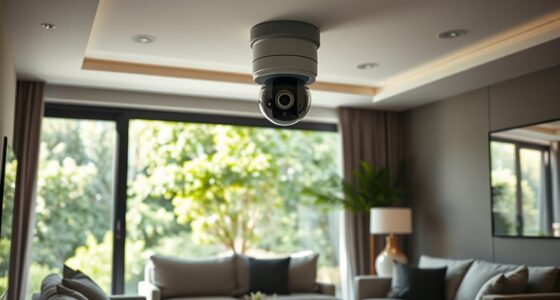
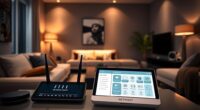
Smart home devices are revolutionizing neighborhood safety by creating interconnected networks that keep you and your neighbors better protected. With smart cameras, doorbells, motion sensors, and security lights sharing real-time updates via shared apps or platforms, you can respond swiftly to suspicious activity. These tools foster collaboration, enhance vigilance, and serve as deterrents to potential offenders. If you stay engaged, you’ll discover how integrating these technologies can make your community safer and more connected.
Key Takeaways
- Smart home devices enable real-time alerts and video sharing among neighbors, enhancing collective awareness.
- Integration of security tools like cameras and sensors creates interconnected safety networks.
- Digital platforms facilitate instant communication, allowing neighbors to share updates and suspicious activity efficiently.
- Compatibility among smart devices fosters a unified community approach to crime prevention.
- Advancing technology supports continuous, proactive neighborhood monitoring and quicker response times.

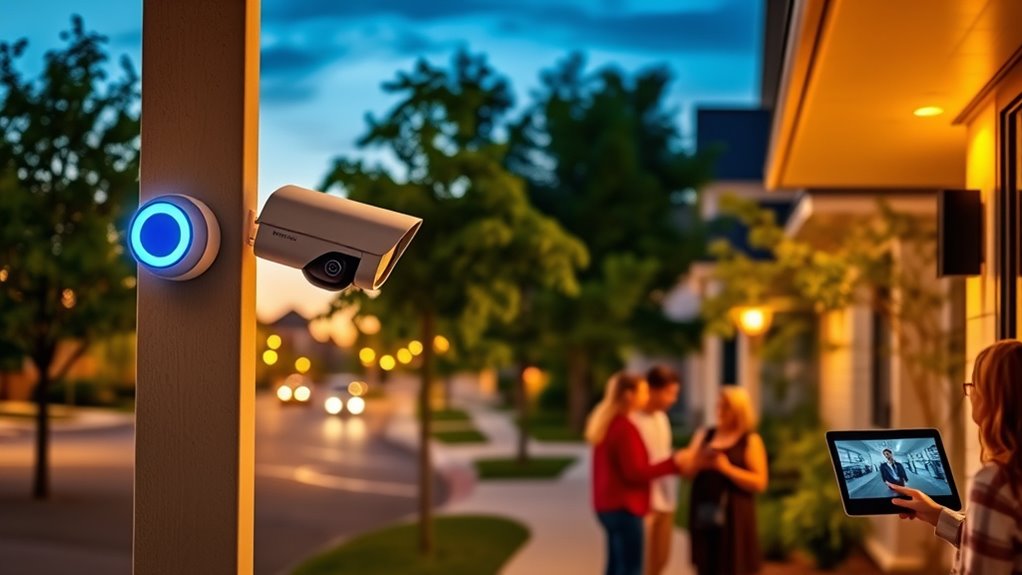
Have you ever wondered how neighborhood watch programs are evolving in the digital age? Today, technology is transforming how neighbors protect their communities, making safety more connected and proactive than ever before. Smart home devices play an essential role in this shift, turning individual security tools into a collective network that enhances vigilance and quick response. Instead of isolated cameras or alarms, you can now create a neighborhood-wide safety system that communicates seamlessly, providing real-time updates and shared insights. This interconnected approach empowers residents to stay informed and respond swiftly to any suspicious activity or emergencies.
Imagine installing smart cameras at your property that not only record footage but also send alerts directly to your neighbors’ smartphones. When one household notices something unusual, they can notify others instantly, creating a chain of awareness that’s faster and more effective than traditional methods. These devices often come with motion sensors, night vision, and two-way audio, allowing you to monitor your surroundings remotely and communicate with visitors or potential intruders. As more neighbors adopt compatible devices, a collective security network develops, where everyone’s equipment contributes to a broader picture of safety. This interconnectedness helps prevent crimes before they happen, as potential offenders may sense increased surveillance and community vigilance.
Smart cameras with alerts and remote monitoring create a collective neighborhood security network that deters crime before it happens.
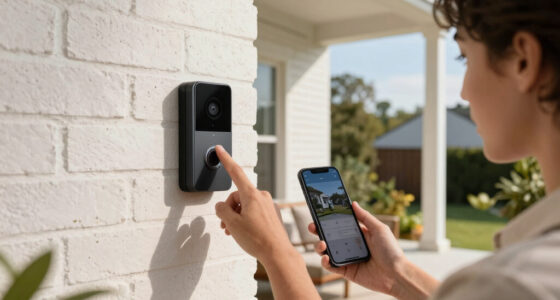
Smart doorbells, security lights, and motion detectors can all be integrated into this ecosystem, making your neighborhood more responsive. For example, a smart doorbell not only alerts you when someone is at your door but also shares that information with neighbors if needed. Security lights can activate automatically when motion is detected nearby, discouraging unwanted visitors and alerting neighbors to activity outside normal hours. These devices often connect through a shared app or platform, simplifying communication and coordination among residents. This digital collaboration fosters a sense of collective responsibility, where everyone feels empowered to contribute to community safety.
Furthermore, some neighborhoods are leveraging social media groups or specialized apps designed for neighborhood watch efforts. These platforms allow residents to share security updates, suspicious activity reports, and safety tips instantly. When combined with smart devices, this digital ecosystem creates a thorough, real-time safety network. You’re no longer limited to traditional patrols or neighborhood meetings; instead, you participate in a dynamic, constantly updating system that adapts to the evolving needs of your community. As technology continues advancing, neighborhood watch programs are becoming smarter, more connected, and more effective at keeping everyone safe.
the role of smart home devices is crucial in creating this collective safety environment by enabling real-time communication and shared insights.

Security Camera 2K, blurams Baby Monitor Dog Camera 360-degree for Home Security w/Smart Motion Tracking, Phone App, IR Night Vision, Siren, Works with Alexa & Google Assistant & IFTTT, 2-Way Audio
- 360-Degree Coverage with 2K Resolution: Automatic motion tracking and IR night vision
- AI Detection & Instant Alerts: Notifies on human, motion, or sound detection
- Cloud Recording & Privacy Mode: Records alert videos; privacy protection feature
As an affiliate, we earn on qualifying purchases.
As an affiliate, we earn on qualifying purchases.
Frequently Asked Questions
How Secure Are the Data Transmissions Between Devices and Neighbors?
The data transmissions between your smart home devices and neighbors are generally secure, often using encryption protocols like WPA3 or TLS. These measures safeguard your information from hackers and eavesdroppers. However, no system is entirely foolproof. You should regularly update your device firmware, use strong, unique passwords, and enable two-factor authentication when available. Doing so helps guarantee your data stays private and your smart network remains safe.
Can Smart Devices Differentiate Between False Alarms and Real Threats?
Smart devices can often distinguish false alarms from real threats by analyzing patterns and using AI algorithms. For example, if a motion sensor detects movement, it cross-references with camera footage or sound detection to verify if it’s a person or a pet. This reduces false alerts, ensuring you respond only to genuine threats. As technology advances, your smart home becomes more accurate and reliable in protecting your neighborhood.
What Privacy Controls Are Available for Residents Using These Systems?
You have several privacy controls to protect your data with smart home devices. You can adjust settings to limit data sharing, enable local storage instead of cloud, and turn off cameras or microphones when needed. Many systems also offer user permissions, so you control who accesses your information. Regularly updating firmware and using strong, unique passwords further safeguard your privacy. Always review privacy policies to understand how your data is used and shared.
How Do Residents Coordinate Responses During Emergencies?
During emergencies, you can coordinate responses seamlessly through dedicated apps linked to your smart devices. Studies show neighborhoods with smart tech coordination see 30% faster emergency responses. You’ll receive instant alerts, share live footage, and communicate directly with neighbors or emergency services. This quick, proactive approach helps you respond effectively, ensuring safety for everyone. Staying connected through these devices turns individual homes into a united safety network, ready to act when needed.
Are There Costs Associated With Participating in a Neighborhood-Wide Network?
Yes, there are usually some costs involved in participating in a neighborhood-wide network. You might need to invest in compatible smart home devices, such as cameras or sensors, and possibly pay subscription fees for certain services. However, these costs can vary depending on the system you choose. Overall, the benefits of increased safety and community connectivity often outweigh the expenses, making it a worthwhile investment for many residents.

BOIFUN Video Doorbell Camera Wireless – No Subscription Required, 2K HD
- Wide 166° Field of View: Covers front porch with no blind spots
- f/2.5 Aperture & CMOS Sensor: Delivers crisp details and soft background blur
- Supports 2.4 GHz Wi-Fi Only: Ensures stable, long-range signal connection
As an affiliate, we earn on qualifying purchases.
As an affiliate, we earn on qualifying purchases.
Conclusion
As you embrace the future of neighborhood safety, these smart devices become the digital heartbeat of your community, weaving neighbors together like threads in a strong, protective tapestry. With each alert and connection, you create a symphony of watchful eyes and caring hearts, turning your neighborhood into a sanctuary where trust blooms and fears fade. Together, you’re not just watching; you’re building a resilient, radiant home where everyone can feel safe, seen, and truly connected.

Onforu 65W Smart Outdoor Security Lights with Motion Sensor, WiFi APP Control, Compatible with Alexa & Google Assistant, 6500LM Dimmable LED Flood Light, 2500K-6500K, 3 Adjustable Heads, Black
- WiFi APP Control: Manage settings via Onforu app
- Voice Control Compatibility: Works with Alexa and Google Assistant
- Advanced PIR Motion Sensor: Detects movement up to 72.7 ft
As an affiliate, we earn on qualifying purchases.
As an affiliate, we earn on qualifying purchases.

Portable Mini Motion Detector Alarm + 120DB Ear-Piercing Siren + SOS LED Light, Hotel Door Room Security Device for Female Women Kids Life Safety While Travelling Alone 2-Pack
- Portable Motion Detector: Detects movement within 3 meters
- Adjustable Delay Setting: 35-second delay for setup
- Reliable Alarm System: 120DB siren with pull trigger
As an affiliate, we earn on qualifying purchases.
As an affiliate, we earn on qualifying purchases.