Air quality monitors add a new layer to your smart home by providing real-time data on pollutants like VOCs, CO2, and particulate matter. They help you quickly identify issues and automatically trigger actions such as ventilation or air purification. Placed strategically, these devices guarantee accurate readings and improve indoor safety. By integrating with your existing system, they empower you to control your environment proactively. If you want to discover more, keep exploring how these devices can transform your living space.
Get ready for Prime Big Deal Days — try Prime free
Exclusive member deals on October 6–7, plus fast free delivery. Cancel anytime.
As an affiliate, we earn on qualifying purchases.
Key Takeaways
- Integrate real-time air quality data with smart home systems for automated ventilation and purification.
- Enable proactive responses to pollution spikes, enhancing indoor safety and comfort.
- Allow personalized air quality management based on sensor location and data trends.
- Support energy efficiency by optimizing ventilation and air purification only when needed.
- Provide insights to improve overall indoor environment health through detailed pollution monitoring.
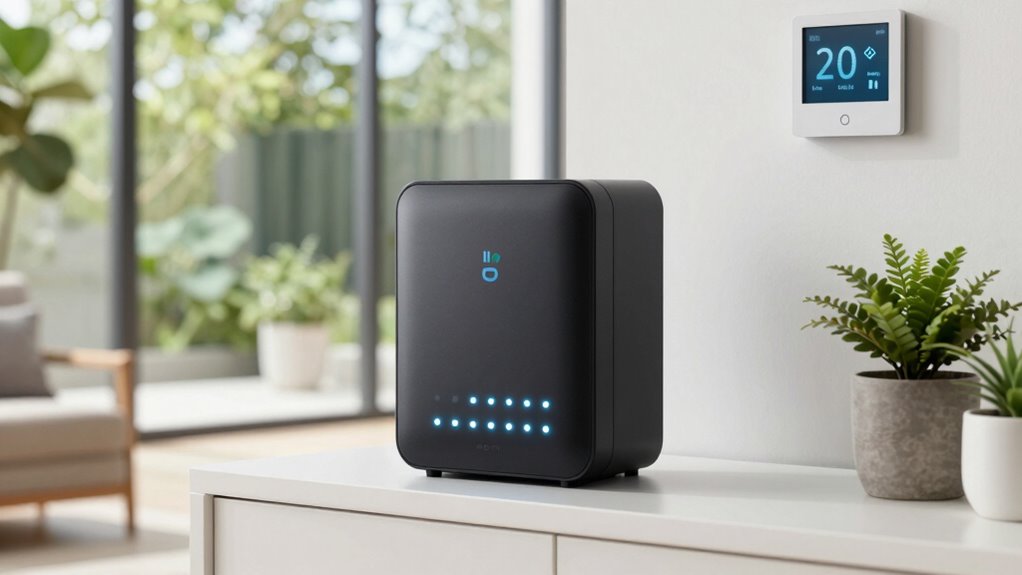
As smart homes become more popular, monitoring indoor air quality has never been more important. You want to guarantee the air you breathe inside your home remains clean and safe, especially since indoor pollution can be a hidden threat. Air quality monitors provide real-time data, giving you the ability to detect pollutants like volatile organic compounds (VOCs), carbon dioxide, and particulate matter. These devices not only identify issues but also integrate seamlessly with your smart home system, allowing you to automate actions such as increasing ventilation or activating air purifiers. This added layer of control helps you maintain a healthier environment without constant manual oversight.
One of the critical factors in effective air quality monitoring is sensor placement. Proper placement of sensors ensures you get accurate, representative readings of your indoor environment. You should position sensors away from direct sources of pollution, such as cooking areas or windows where outdoor air might enter. Placing sensors at breathing height—around 3 to 6 feet off the ground—provides the most relevant data, since this is where you and your family spend most of your time. Avoid placing sensors near vents or drafts, which can skew readings by either diluting pollutants or concentrating indoor pollution in certain spots. Thoughtful sensor placement is essential to get an all-encompassing picture of your indoor pollution levels and to make informed decisions about improving air quality.
Indoor pollution can vary widely depending on activities and environmental factors, so strategic sensor placement helps you identify problem areas. For example, if a sensor detects elevated VOC levels in the kitchen, you might consider improving ventilation or using an air purifier there. Consistent monitoring from well-placed sensors allows you to see patterns over time, helping you pinpoint sources of pollution and take targeted action. Additionally, some smart air quality monitors come with multiple sensors or allow for multiple units in different rooms, giving you granular control and insight into your home’s overall air health. Proper sensor placement is crucial for accurate data collection and effective air quality management. Understanding the role of sensors in indoor air quality is vital to making informed decisions about your home’s environment. By leveraging indoor pollution data, you can better tailor your efforts to maintain a safe and healthy living space. Moreover, staying aware of air quality trends can help you anticipate and prevent potential problems before they become serious.
smart air quality monitor with VOC detection
As an affiliate, we earn on qualifying purchases.
As an affiliate, we earn on qualifying purchases.
Frequently Asked Questions
How Accurate Are Air Quality Monitors Compared to Professional Assessments?
Air quality monitors are generally quite accurate but may not match professional assessments perfectly. They effectively detect indoor pollution levels, providing real-time data that helps you identify issues quickly. Calibration accuracy is key—regularly calibrate your monitor to guarantee reliable readings. While they’re great for everyday use, professional assessments still offer more precise measurements, especially for complex indoor pollution issues. Overall, they’re a valuable tool for monitoring your home environment.
Can Air Quality Data Be Integrated With Other Smart Home Devices?
Imagine your smart home as a well-orchestrated symphony—air quality data seamlessly integrates with devices like indoor plants and air circulation systems. You can automate your air purifiers or ventilation based on real-time readings, optimizing comfort and health. By connecting your air quality monitor with other smart devices, you create a harmonious environment where fresh air flows naturally, much like a gentle breeze guiding your home’s atmosphere.
What Maintenance Is Required for Air Quality Monitors?
You should regularly check your air quality monitor’s sensor calibration to make certain accurate readings. Follow the manufacturer’s recommended maintenance schedules, which typically involve cleaning the device and replacing filters or sensors if needed. Keep an eye on any alerts or indicators from the monitor that signal it requires maintenance. Proper upkeep guarantees your device provides reliable data, helping you maintain a healthier indoor environment.
Do Air Quality Monitors Detect Specific Pollutants or Just Overall Air Quality?
Air quality monitors detect specific pollutants like indoor allergens, volatile organic compounds (VOCs), and particulate matter, not just overall air quality. When they identify these pollutants, you can use this information to activate air purification systems, improving your home’s air. This targeted detection helps you address particular issues, making your smart home more responsive and healthier. So, you get detailed insights that support better indoor air management.
How Do Monitors Alert Users to Dangerous Air Quality Levels?
While sensor calibration guarantees your air quality monitor’s accuracy, it also keeps alerts dependable. When dangerous levels are detected, the device promptly sends notifications via your smartphone or smart home system. This real-time alerting safeguards your health, but remember, data privacy is essential—securely managing your information prevents misuse. So, your monitor isn’t just a sensor; it’s a vigilant guardian, balancing precision with your privacy.
indoor air quality sensor for smart home
As an affiliate, we earn on qualifying purchases.
As an affiliate, we earn on qualifying purchases.
Conclusion
Think of air quality monitors as the silent guardians of your home, quietly watching over your well-being like vigilant keepers in a fortress. They symbolize a commitment to health and harmony, reminding you that freshness isn’t just a luxury, but a fundamental right. By embracing this new layer of technology, you’re not just upgrading your smart home—you’re safeguarding your sanctuary, ensuring that every breath you take is a step toward a healthier, more vibrant life.
Wi-Fi air quality monitor with app control
As an affiliate, we earn on qualifying purchases.
As an affiliate, we earn on qualifying purchases.
smart home air purifier with air quality sensor
As an affiliate, we earn on qualifying purchases.
As an affiliate, we earn on qualifying purchases.
NFL season / tailgating Picks
team gear
As an affiliate, we earn on qualifying purchases.