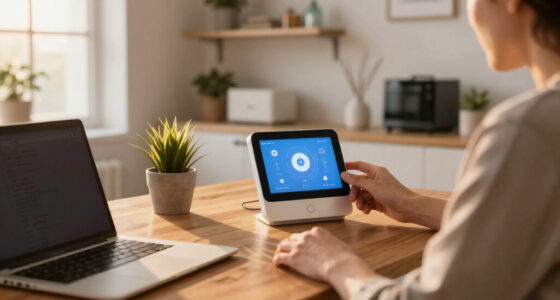

Smart homes work best when they reduce small frictions because tiny issues like delays, unresponsiveness, or glitches can disrupt your routines and lower your satisfaction. When devices communicate smoothly and respond effortlessly, your home feels reliable and natural. Eliminating these minor problems saves you time and effort, creating a seamless experience. If you keep exploring, you’ll discover how optimizing these details can unleash the full potential of your smart home and boost your comfort.
Key Takeaways
- Minimizing tiny issues ensures seamless device communication, enhancing overall system reliability.
- Reducing small frictions creates a more intuitive and effortless user experience.
- Addressing minor glitches prevents compounded disruptions, maintaining consistent automation performance.
- A frictionless environment boosts user confidence and satisfaction in smart home technology.
- Optimizing for small frictions allows the system to operate invisibly, maximizing convenience and efficiency.
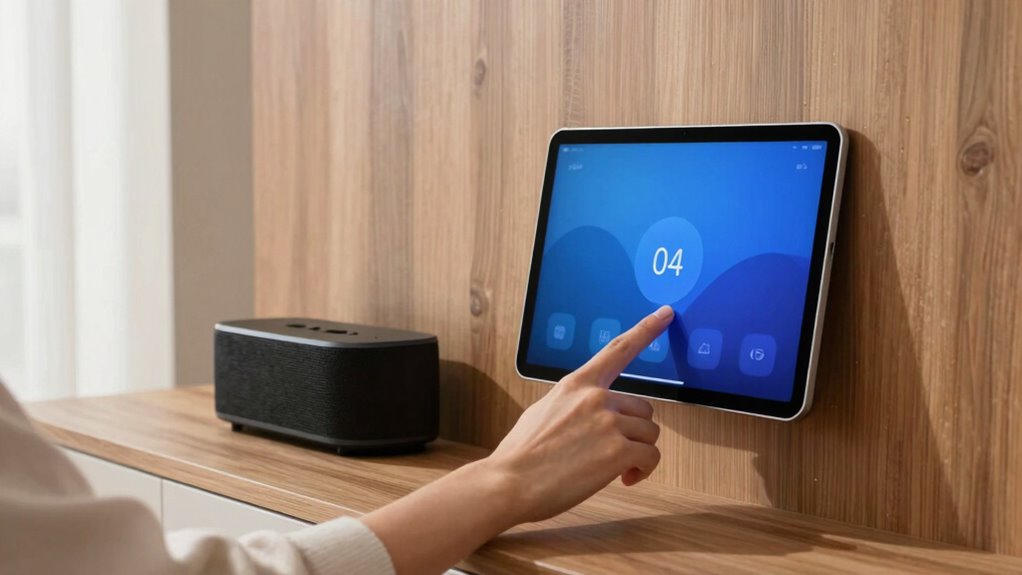
Have you ever wondered why, despite the promise of seamless automation, small frictions still hinder the full potential of smart homes? It’s because even tiny hiccups can significantly impact how smoothly your system works and how satisfied you feel using it. When it comes to automation efficiency, these small frictions can cause delays, misfires, or unexpected glitches that disrupt your daily routines. For example, a smart light that flickers or a thermostat that doesn’t respond immediately can make you question whether the system is truly reliable. These little issues compound over time, making the overall experience less intuitive and more frustrating. That’s why reducing small frictions is essential for creating a truly seamless smart home environment.
Small frictions disrupt smart home seamlessness, causing delays and frustrations that diminish your overall experience.
Your user experience hinges on how effortlessly your devices communicate and respond. When everything functions smoothly, you don’t have to think twice about the technology, and your home feels more intuitive. But when minor issues crop up—say, a voice command that isn’t recognized or a device that takes longer than expected to respond—it breaks that sense of effortless control. These small frictions may seem insignificant on their own, but they chip away at your confidence in the system. To truly enjoy the benefits of smart automation, you need a setup that minimizes these tiny disruptions, making every interaction feel natural and reliable. Ensuring device compatibility**** and a stable network connection are crucial steps toward this goal. A well-integrated ecosystem can help prevent many of these issues before they arise.
Addressing small frictions isn’t just about fixing bugs; it’s about optimizing the entire ecosystem of your smart home. This involves fine-tuning device compatibility, ensuring robust network connections, and streamlining user interfaces. When these elements work harmoniously, automation efficiency skyrockets, and your experience becomes frictionless. You won’t have to manually intervene or repeat commands, and your devices will anticipate your needs more accurately. This creates a cycle where increased automation efficiency leads to an even better user experience, reinforcing your confidence in your smart home system. A proactive approach to maintenance and updates can further minimize system vulnerabilities.
Ultimately, the goal is to create an environment where technology feels invisible—where your home just works, quietly and reliably. When small frictions are kept in check, your smart home becomes a true extension of yourself, responding seamlessly to your commands and habits. This not only saves you time and effort but also elevates your overall comfort and satisfaction. The fewer tiny issues you encounter, the more you can enjoy the convenience and innovation that smart homes promise. That’s why reducing small frictions isn’t just a technical concern; it’s the key to unlocking the full potential of your smart home experience.

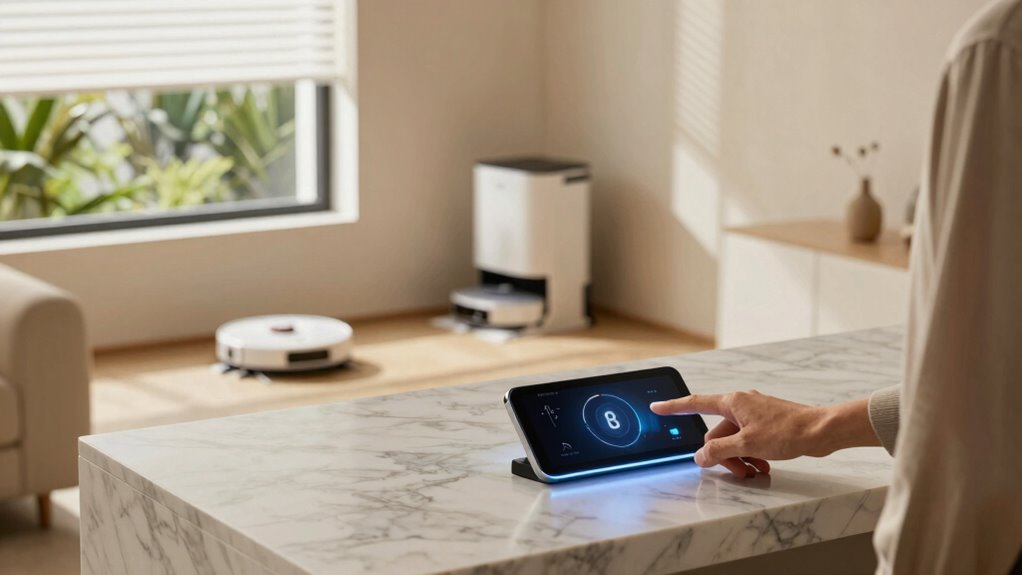
Amazon Echo Hub (newest model), 8", Redesigned with customizable control and Alexa+, Compatible with thousands of devices
- Smart Home Control Panel: Easy-to-use home control interface
- Customizable Dashboard: Arrange and resize device controls
- Alexa+ Integration: Enhanced voice control features
As an affiliate, we earn on qualifying purchases.
As an affiliate, we earn on qualifying purchases.
Frequently Asked Questions
How Do Smart Homes Adapt to Different User Preferences?
Smart homes adapt to your preferences through advanced personalization features, learning your routines and adjusting settings accordingly. You can customize lighting, temperature, and even security preferences, creating a seamless user experience. As you interact with your smart devices, they become more intuitive, ensuring your environment always feels just right. This continuous adaptation makes your home more comfortable, efficient, and tailored to your lifestyle.
What Are Common Security Concerns With Smart Home Devices?
You should be aware that smart home devices pose security concerns like privacy risks and hacking vulnerabilities. Hackers can exploit weak passwords or outdated software to access your devices, potentially stealing personal data or controlling your home remotely. To protect yourself, make sure you update firmware regularly, use strong, unique passwords, and enable two-factor authentication. Staying vigilant can help keep your smart home secure and your privacy intact.
Can Smart Homes Be Customized for Accessibility Needs?
Yes, smart homes can be customized for accessibility needs. You can use voice commands to control lights, appliances, and security systems, making it easier if you have mobility challenges. Tactile controls, like textured switches or programmable buttons, add an extra layer of accessibility. This customization guarantees everyone can enjoy the benefits of smart technology comfortably, reducing frustration and enhancing independence in your daily life.
How Do Smart Homes Handle Device Interoperability Issues?
Smart homes handle device interoperability issues through robust protocol integration and ensuring device compatibility. You’ll find that many smart home systems support multiple protocols like Zigbee, Z-Wave, or Wi-Fi, allowing different devices to communicate seamlessly. Manufacturers are also adopting universal standards and open platforms, making it easier for you to connect new devices without compatibility worries. This approach minimizes frustration and creates a more integrated, user-friendly smart home experience.
What Is the Average Cost of Implementing a Smart Home System?
The average cost of implementing a smart home system varies, typically ranging from $1,000 to $10,000 depending on the devices and features you choose. Investing in smart thermostats and lighting can boost energy savings and enhance cost efficiency over time. While upfront costs might seem high, the long-term benefits include reduced utility bills and increased convenience, making it a smart financial move for many homeowners.

TP-Link Deco X55 AX3000 WiFi 6 Mesh System – Covers up to 6500 Sq.Ft, Replaces Wireless Router and Extender, 3 Gigabit Ports per Unit, Supports Ethernet Backhaul, Deco X55(3-Pack)
- Wi-Fi 6 Mesh System: AX3000 speeds for whole home coverage
- Wide Coverage: Up to 6500 sq. ft. with seamless Wi-Fi
- Connect Multiple Devices: Supports up to 150 devices
As an affiliate, we earn on qualifying purchases.
As an affiliate, we earn on qualifying purchases.
Conclusion
In the end, reducing small frictions in your smart home isn’t just about convenience—it’s about transforming your everyday life into a seamless, effortless experience that feels almost magical. When you streamline those tiny annoyances, you reveal a level of comfort that’s truly mind-blowing, like living in a future you once only dreamed of. Embrace simplicity, and watch your smart home become your ultimate ally, making every moment smoother than you ever imagined possible.
smart home automation troubleshooting kit
As an affiliate, we earn on qualifying purchases.
As an affiliate, we earn on qualifying purchases.
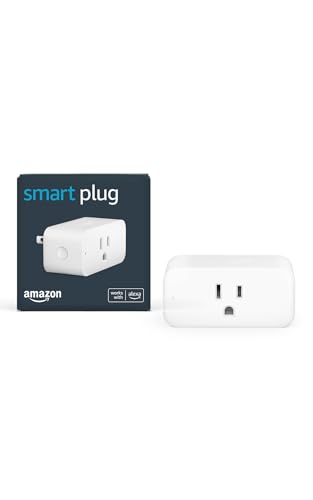
Amazon Smart Plug, Works with Alexa, Simple Setup, Endless Possibilities
- Voice Control Compatibility: Works with Alexa app and devices
- Easy Setup: No hub needed, quick installation
- Wide Device Compatibility: Supports lamps, fans, coffee makers, and more
As an affiliate, we earn on qualifying purchases.
As an affiliate, we earn on qualifying purchases.