Your trust in smart home devices depends on their security, privacy, and reliability. When you believe that your data is protected through transparent policies and strong safeguards, you’re more likely to embrace advanced features. Companies that prioritize ethical handling, regular updates, and vulnerability management will earn your confidence. As trust grows, you’ll see smarter, safer homes. To understand how this trust will shape future innovations, keep exploring these essential factors shaping tomorrow’s smart homes.

Get home appliances delivered free — and shop member deals
- Fast, free delivery on millions of items
- Access to Prime Big Deal Days deals on October 6–7
- Prime Video, Amazon Music and more included
Key Takeaways
- Consumer trust ensures acceptance of smart home devices by addressing privacy concerns and data security.
- Transparent data practices and ethical handling build confidence and empower users.
- Robust security measures and regular updates demonstrate a company’s commitment to safety.
- Reliability and seamless performance reinforce trust and promote ongoing adoption.
- Trust fosters long-term engagement, shaping the future development of smart home technology.
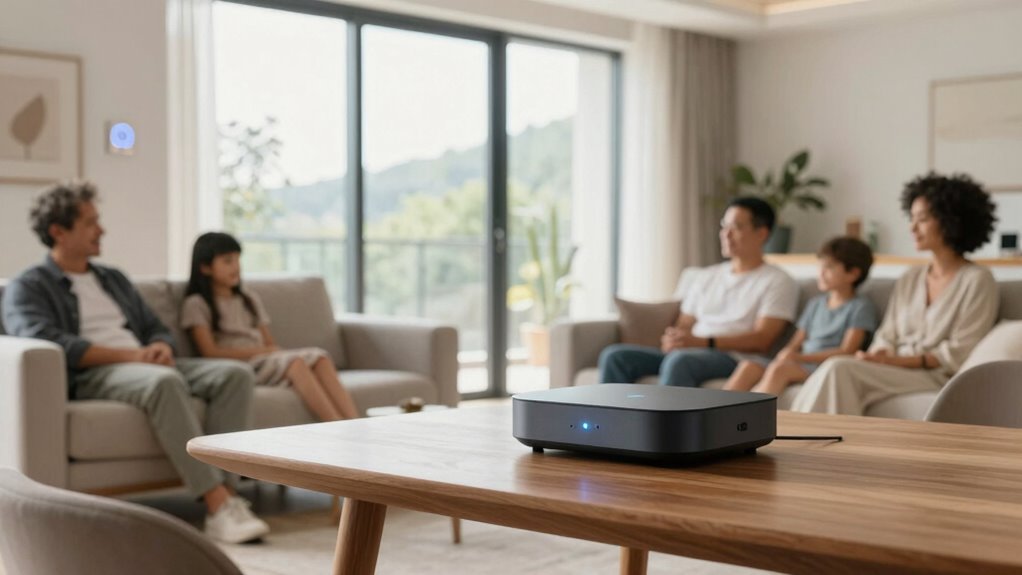
As smart home technology becomes more integrated into daily life, building consumer trust is essential for its widespread adoption. You need to feel confident that these devices will protect your privacy and keep your data secure. You might worry about hackers gaining access to your personal information or unauthorized entities monitoring your activities. It’s crucial that companies implement robust security measures to prevent breaches. This includes using encryption, regular updates, and strict access controls. When you see these efforts, it reassures you that your privacy isn’t an afterthought but a priority. You want devices that respect your boundaries and give you control over your data, such as options to delete history or toggle data sharing settings easily.
Data security doesn’t stop at technological safeguards; it also involves how companies handle your information ethically. You’re more likely to trust a brand that’s transparent about data collection policies and offers clear, straightforward privacy policies. If a smart home system explains exactly what information it gathers and how it’s protected, you’re better equipped to make informed decisions. Trust is also strengthened when updates and patches are promptly issued to fix vulnerabilities, showing that companies are committed to maintaining security over time. Additionally, establishing trustworthy data practices can further reassure consumers that their information is being managed responsibly. Incorporating ethical data handling into corporate policies demonstrates a commitment to respecting user privacy and fosters long-term trust. Moreover, clear communication about data management fosters a sense of consumer empowerment, making users feel more in control of their information.
Furthermore, your confidence in smart home devices depends on consistent performance and reliability. When devices malfunction or experience glitches, trust diminishes. You want products that not only work seamlessly but also respect your privacy at every step. If manufacturers build security features into the core of their design, you’ll feel more comfortable integrating these devices into your daily routines. This proactive approach to privacy concerns and data security signals that your safety and privacy are genuinely valued. Trust can also be reinforced through regular security audits, which demonstrate a company’s ongoing commitment to safeguarding user data. Ensuring ongoing security assessments can help identify potential vulnerabilities before they are exploited and show consumers that security is a continuous priority.
In the end, the future of smart homes hinges on your trust. As technology advances, companies that focus on transparent privacy practices, strong data security, and ongoing support will stand out. When you believe that your information is safe and your privacy protected, you’re more willing to embrace the full potential of smart home innovations. Building this trust isn’t just good business; it’s essential for shaping the next wave of smart homes that truly serve your needs.
smart home security system with encryption
As an affiliate, we earn on qualifying purchases.
As an affiliate, we earn on qualifying purchases.
Frequently Asked Questions
How Can Consumers Verify the Security of Smart Home Devices?
To verify the security of smart home devices, you should check if they use strong device authentication methods, guaranteeing only authorized access. Look for manufacturers that regularly provide firmware updates, which fix security vulnerabilities and improve performance. You can also review product reviews and privacy policies. Additionally, ensure your network has strong encryption, and change default passwords to enhance overall security and gain confidence in your smart devices.
What Are the Most Common Privacy Concerns With Smart Home Technology?
Imagine your privacy suddenly at risk—this is the top concern with smart home tech. You worry about data breaches and unauthorized access. To protect yourself, make sure devices use strong data encryption and that you’re giving informed user consent before sharing personal info. These steps help safeguard your privacy, but lingering doubts remain. Trust in how your data is handled will be vital in shaping your comfort with future smart home innovations.
How Will Trust Influence Adoption of New Smart Home Innovations?
Trust directly impacts your willingness to adopt new smart home innovations. When companies prioritize user privacy and guarantee device interoperability, you feel more confident that your data stays secure and devices work seamlessly together. This confidence encourages you to explore innovative features, knowing your privacy is protected. As trust grows, you’re more likely to upgrade and integrate new technologies, making your smart home experience richer and more reliable.
Are There Industry Standards for Ensuring Consumer Data Protection?
Yes, industry standards do exist to protect your data. You should look for smart home products with third-party certifications, which validate their security measures. Additionally, reliable devices use data encryption to safeguard your personal information from unauthorized access. These standards help build your trust, ensuring your data remains private and secure. As a consumer, prioritizing devices with such certifications and encryption features helps you enjoy smart home benefits confidently.
How Can Manufacturers Rebuild Trust After Security Breaches?
To rebuild trust after security breaches, you should prioritize brand transparency by openly sharing what happened, how you’re fixing it, and steps to prevent future issues. Combine this with ethical marketing, emphasizing your commitment to user privacy and data protection. Engaging honestly with consumers reassures them, showing you value their safety. This approach rebuilds credibility, demonstrates accountability, and fosters long-term trust essential for the future of smart home technology.
As an affiliate, we earn on qualifying purchases.
Conclusion
As you continue to embrace smart homes, trust acts as the gentle foundation that allows innovation to flourish. When you feel confident in your devices and their intentions, the journey becomes more enjoyable and seamless. By nurturing this trust, you’re not just adopting new technology—you’re helping shape a future where your smart home feels like a trusted partner, quietly enhancing your life with every thoughtful touch. It’s a future worth looking forward to.
smart home device security updates
As an affiliate, we earn on qualifying purchases.
As an affiliate, we earn on qualifying purchases.
As an affiliate, we earn on qualifying purchases.
NFL season / tailgating Picks
team gear
As an affiliate, we earn on qualifying purchases.