
TL;DR

Get home appliances delivered free with Prime
- Fast, free delivery on millions of items
- Prime Video, Amazon Music and more included
- Member-only deals all year
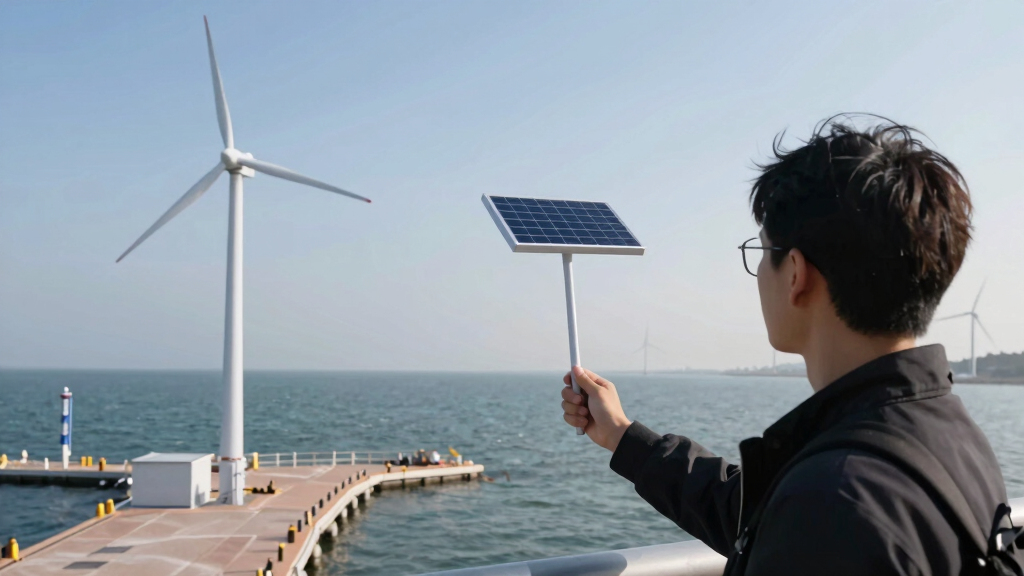
Denmark is spearheading Europe’s North Sea renewable expansion, with major offshore wind projects and green hydrogen facilities. These developments are part of a broader regional effort to achieve climate goals and boost green industries.
Denmark is transforming the North Sea into a leading hub for renewable energy, with major offshore wind farms and green hydrogen projects now underway, demonstrating the country’s role in Europe’s climate ambitions.
Denmark’s largest offshore wind power plant, Thor, with a capacity of 1,000 megawatts, is set to become operational in 2026, capable of powering over one million households. Alongside this, Siemens Energy is managing the construction of a 50-megawatt electrolyser plant in Kassø, southern Denmark, which will produce up to 6,000 tonnes of carbon-free hydrogen annually for the shipping industry. This initiative is part of a broader regional plan where European nations, including Germany, the Netherlands, Belgium, France, Norway, Luxembourg, and the UK, have increased their offshore wind targets from 30 gigawatts to 120 gigawatts by 2030 and 300 gigawatts by 2050. The aim is to supply more than half of the EU’s renewable energy needs, contributing significantly to climate goals.
Industry professionals highlight that these projects are not only vital for reducing emissions but also for creating new economic opportunities. Siemens Energy engineer Holger Riess emphasized the potential of e-methanol as a cleaner fuel alternative for shipping, with the Kassø plant expected to generate 42,000 tonnes annually, primarily for Maersk, the Danish shipping giant. The shift from fossil fuels to green alternatives is supported by technological advances in grid integration, with infrastructure such as transformers and shunt reactors being developed to handle increased renewable capacity.
Why It Matters
This development demonstrates Denmark’s leadership in renewable energy, setting a global example of how regional cooperation and technological innovation can accelerate the transition to a low-carbon economy. The projects are expected to boost green industries, create thousands of jobs, and help meet EU climate targets, making the North Sea a model for sustainable energy production.
As an affiliate, we earn on qualifying purchases.
Background
Europe has historically relied on fossil fuels, but recent policy commitments have spurred a major shift toward renewables. Denmark has been at the forefront, with extensive offshore wind capacity already connected to the grid. The region’s shallow waters and proximity to major markets make it ideal for large-scale offshore wind farms. The push for green hydrogen, especially for sectors like shipping, marks a strategic move to decarbonize hard-to-electrify industries. These initiatives follow years of technological development and policy support, with the North Sea emerging as a ‘green power plant’ for Europe.
“Shipping emits the equivalent of a large country in CO2; e-methanol can save a tremendous amount of emissions.”
— Holger Riess, Siemens Energy project manager
“Working on the Thor project is inspiring because it will have a lasting positive impact on Denmark’s energy future.”
— Josephine Krumhoff, Siemens Energy electrical engineer
“Building turbine blades here is a huge change from my previous job, and I feel proud to contribute to this green energy shift.”
— Dane Glenn, Siemens Gamesa apprentice
As an affiliate, we earn on qualifying purchases.
What Remains Unclear
It is not yet clear when all the planned offshore wind and hydrogen projects will be fully operational, or how quickly regional infrastructure will adapt to handle the increased renewable capacity. The economic and environmental impacts will also depend on future policy support and technological advancements.
As an affiliate, we earn on qualifying purchases.
What’s Next
Next steps include the completion and commissioning of the Thor wind farm in 2026, followed by the full operational rollout of the Kassø hydrogen plant. Regional grid upgrades and infrastructure development will continue to support these projects, with ongoing assessments of their impact on energy markets and emissions reductions.
renewable energy grid transformers
As an affiliate, we earn on qualifying purchases.
As an affiliate, we earn on qualifying purchases.
Key Questions
What is the significance of Denmark’s offshore wind projects?
They demonstrate leadership in renewable energy, contribute to EU climate targets, and help transition Europe toward a sustainable, low-carbon energy system.
How will the green hydrogen project impact the shipping industry?
The project will produce carbon-free e-methanol, providing a cleaner fuel alternative that can significantly reduce shipping emissions, which currently account for about 3% of global greenhouse gases.
When will the major projects be fully operational?
The Thor offshore wind farm is expected to be operational by 2026, while the Kassø hydrogen plant is in the final stages of development, with full production anticipated shortly thereafter.
What challenges remain for these renewable initiatives?
Key challenges include scaling infrastructure to handle increased renewable capacity, integrating new technologies into existing grids, and securing ongoing policy and investment support.
Source: Guardian Life
Cold & flu season Picks
humidifiers
As an affiliate, we earn on qualifying purchases.