
TL;DR

Get home appliances delivered free — and shop member deals
- Fast, free delivery on millions of items
- Access to Prime Big Deal Days deals on October 6–7
- Prime Video, Amazon Music and more included
Chile’s National Energy Commission announced the preliminary terms for its 2026 energy auction, emphasizing renewable energy and storage. The process favors solar PV with storage integration, supporting long-term contracts and time-of-day segmentation. The auction aims to boost renewable capacity and modernize the grid.
Chile’s National Energy Commission (CNE) has officially released the bidding terms for its 2026/01 energy auction, which will allocate 2,835 GWh annually over 15-year contracts starting in 2029. The process favors renewable energy, particularly solar PV paired with storage, and sets clear rules for project eligibility and supply segmentation. This marks a significant step in Chile’s renewable energy expansion and grid modernization efforts.
The CNE’s preliminary terms specify a technology-neutral process that excludes high-emission fuels such as coal, petroleum coke, diesel, and No. 6 fuel oil as primary sources. Bidders must propose generation assets or storage systems interconnected to Chile’s National Electric System (SEN). The auction comprises two supply blocks: Block 1 (1,575 GWh/year, 2029-2043) and Block 2 (1,260 GWh/year, 2030-2044), with a total volume of 2,835 GWh per year.
Key features include segmentation by time-of-day, with three bands: overnight (00:00–07:59, 23:00–23:59), daytime (08:00–17:59), and evening (18:00–22:59). The largest share of supply is allocated to the daytime band, aligning with solar generation, while storage is expected to enable delivery during evening peaks. The tender emphasizes renewable participation, especially PV with storage, and includes provisions for backup capacity and flexibility requirements.
Implications for Chile’s Renewable Energy Goals
This auction signals Chile’s commitment to accelerating renewable energy deployment, particularly solar PV combined with storage, to meet growing demand and reduce reliance on fossil fuels. The structured segmentation and long-term contracts aim to attract investment, support grid stability, and facilitate integration of variable renewable sources. It also sets a precedent for future auctions and regional energy markets.
As an affiliate, we earn on qualifying purchases.
Chile’s Renewable Expansion and Regulatory Framework
Chile has been progressively increasing its renewable capacity, with solar and wind projects playing a central role. Previous auctions have demonstrated strong investor interest, driven by policy incentives and resource availability. The upcoming auction aligns with the country’s broader energy transition goals, aiming for a cleaner grid and enhanced energy security. The inclusion of storage as a backup option reflects global trends toward flexible, reliable renewable integration.
“The auction’s design clearly favors solar PV with storage, which should help Chile meet its renewable targets while maintaining grid stability.”
— an anonymous researcher
As an affiliate, we earn on qualifying purchases.
Uncertainties Regarding Auction Details and Implementation
It remains unclear how the reserve price will be set, as the CNE will disclose the ceiling only at the bid opening. The precise impact of the variable component (5%) on project proposals and flexibility requirements is also still being clarified. Additionally, the response to potential project delays and backup capacity obligations will become clearer as detailed regulations are published.
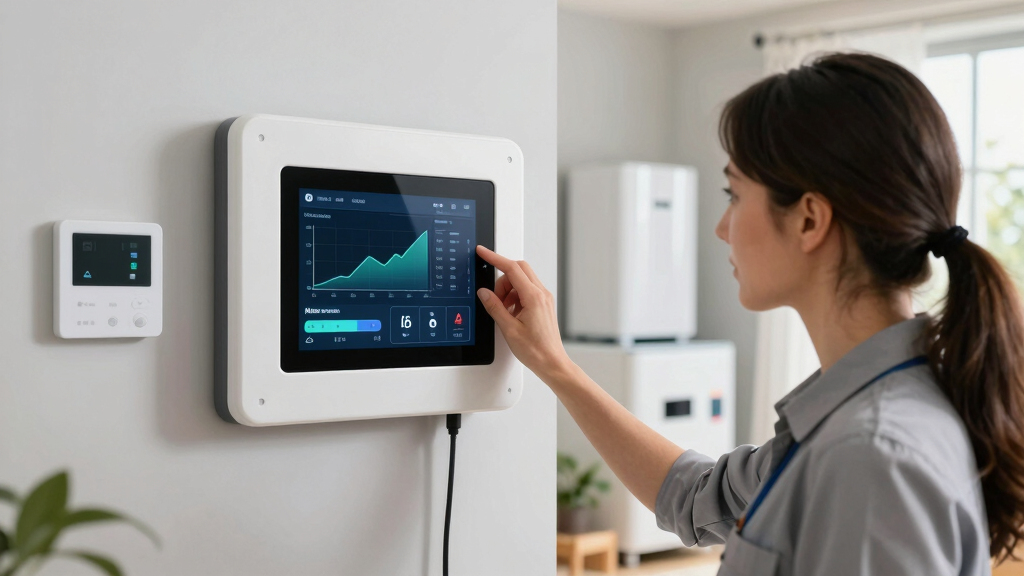
solar energy backup power system
As an affiliate, we earn on qualifying purchases.
As an affiliate, we earn on qualifying purchases.
Next Steps for Bidders and Regulatory Clarifications
The auction launch is scheduled for 1 July 2026, with a formal inquiry period ending 28 August. Bidders will submit proposals by 4 December 2026, followed by evaluation and award in January 2027. Further regulatory details, including reserve price setting and project eligibility criteria, are expected to be published in the coming months, guiding participant preparations.
As an affiliate, we earn on qualifying purchases.
Key Questions
What types of projects are eligible for the auction?
Projects must be interconnected to the National Electric System and include renewable generation, primarily solar PV, with storage systems permitted as backup. High-emission fuels are excluded as primary sources.
How does the auction support renewable energy integration?
The auction’s segmentation by time-of-day and inclusion of storage systems aim to maximize renewable energy use during peak hours and enable delivery during evening demand, promoting grid stability.
When will the auction results be announced?
Bid evaluations are scheduled for early January 2027, with the award ceremony planned for 13 January 2027.
What is the significance of the variable component in the bidding process?
The 5% variable component is designed to account for unexpected demand increases, requiring bidders to demonstrate flexibility and backup capacity readiness.
Source: PV Magazine
Fall yard work Picks
leaf blowers
As an affiliate, we earn on qualifying purchases.