TL;DR

Get home appliances delivered free with Prime
- Fast, free delivery on millions of items
- Prime Video, Amazon Music and more included
- Member-only deals all year
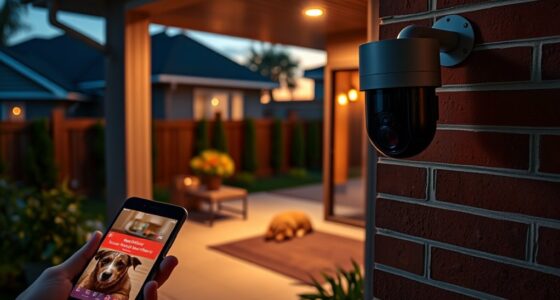
Ring cameras are widely used for home security, but recent studies indicate they may foster paranoia and distrust among neighbors. Experts question their effectiveness in reducing crime and highlight potential social costs.
Ring cameras are not conclusively proven to reduce crime, but they are linked to increased neighbor suspicion and paranoia, raising questions about their social impact. Experts warn that these devices may be fostering distrust rather than safety, making this a significant issue for communities and policymakers.
In 2022, a Florida incident highlighted the potential dangers of home security cameras when a family fired shots at a woman they believed was suspicious, only to discover she was a neighbor dropping off a package. This extreme case exemplifies how surveillance technology can fuel paranoia.
Studies indicate that the widespread use of devices like Ring, Google Nest, and SimpliSafe has not been definitively linked to crime reduction. Instead, these cameras often heighten residents’ fears and suspicion of neighbors, especially in communities with limited social trust.
Research from Vox and other sources shows that knowing one is being watched can increase distrust, paranoia, and even lead to neighbor spying and eavesdropping. Experts like Will Owen from the Surveillance Technology Oversight Project emphasize that surveillance may undermine community cohesion rather than enhance it.
Why Surveillance Tech May Erode Community Trust
The widespread deployment of home security cameras like Ring may be doing more harm than good by fostering suspicion among neighbors. While intended to prevent crime, these devices can create a climate of distrust, reducing social cohesion and potentially escalating conflicts. Understanding this dynamic is crucial for residents, policymakers, and tech companies aiming to balance security with community well-being.
As an affiliate, we earn on qualifying purchases.
The popularity of home security cameras surged, with 62% of Americans installing outdoor cameras by 2025, according to a US News survey. These devices are marketed as tools to deter burglars and catch intruders, but their social impacts are complex.
Research shows that in communities with high camera adoption, residents often report increased suspicion and paranoia, especially in neighborhoods where social trust is weak. The phenomenon reflects a shift from communal safety to individual surveillance, which can undermine neighborly relationships.
“We need to change our thinking around neighborhood surveillance and not buy into the big tech that is creating fear and distrust among neighbors.”
— Will Owen, Surveillance Technology Oversight Project
As an affiliate, we earn on qualifying purchases.
Unclear Impact of Cameras on Actual Crime Rates
There is limited conclusive evidence that home security cameras significantly reduce crime. While some residents believe cameras deter theft, studies have not definitively proven their effectiveness in crime prevention at the community level. The social costs, such as increased suspicion, are better documented but their impact on crime remains uncertain.
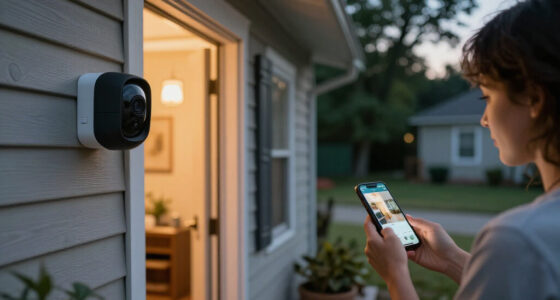
security camera with motion detection
As an affiliate, we earn on qualifying purchases.
As an affiliate, we earn on qualifying purchases.
Potential Policy and Community Responses to Surveillance Concerns
Experts suggest that communities and policymakers need to reassess the role of surveillance technology, promoting trust-building measures and community engagement. Future research may clarify whether cameras can be used without undermining neighborly trust, and whether regulations or guidelines could mitigate social harms.
As an affiliate, we earn on qualifying purchases.
Key Questions
Do home security cameras actually reduce crime?
Current evidence does not conclusively show that cameras like Ring significantly reduce crime rates, though they may deter some petty thefts. Their social impact may be more complex, often increasing neighbor suspicion.
Can surveillance cameras make neighborhoods less trusting?
Yes, studies suggest that knowing one is being watched can heighten suspicion and paranoia, potentially weakening neighborly trust and social cohesion.
Are there alternatives to surveillance for community safety?
Community engagement, neighborhood watch programs, and fostering social trust are alternatives that can enhance safety without fostering suspicion through constant surveillance.
What should residents consider before installing cameras?
Residents should weigh the potential benefits for security against possible social costs, such as increased suspicion and diminished neighbor trust, and consider community norms and privacy concerns.
Source: Vox
NFL season / tailgating Picks
team gear
As an affiliate, we earn on qualifying purchases.