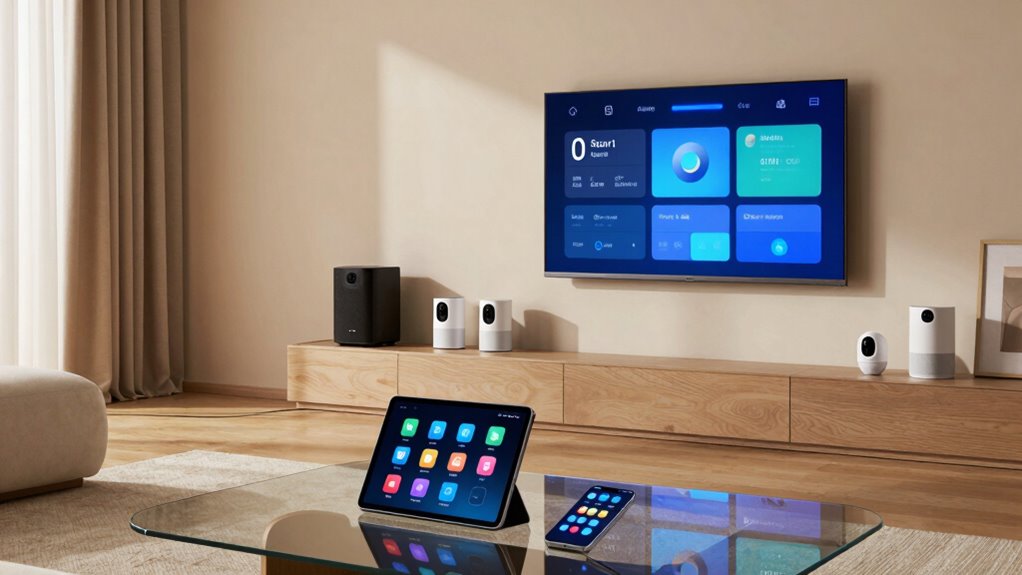

Before choosing a home automation ecosystem, consider how well it supports voice control with assistants like Alexa or Siri for effortless management. Check its security integrations for remote monitoring and alerts. Make sure it’s compatible with your current devices and other brands to avoid frustration. Look for user-friendly setup and app controls, especially if you’re new to smart tech. Think about your budget and how easily the system can grow with your needs; more details follow.

Get home appliances delivered free — and shop member deals
- Fast, free delivery on millions of items
- Access to Prime Big Deal Days deals on October 6–7
- Prime Video, Amazon Music and more included
Key Takeaways
- Ensure compatibility with your existing devices and preferred voice assistants for seamless integration.
- Prioritize security features like smart locks and sensors for comprehensive home safety.
- Choose an ecosystem that offers user-friendly setup and intuitive controls for all users.
- Consider your budget and potential for future expansion to accommodate evolving needs.
- Verify platform support and device options to ensure a cohesive, reliable smart home experience.
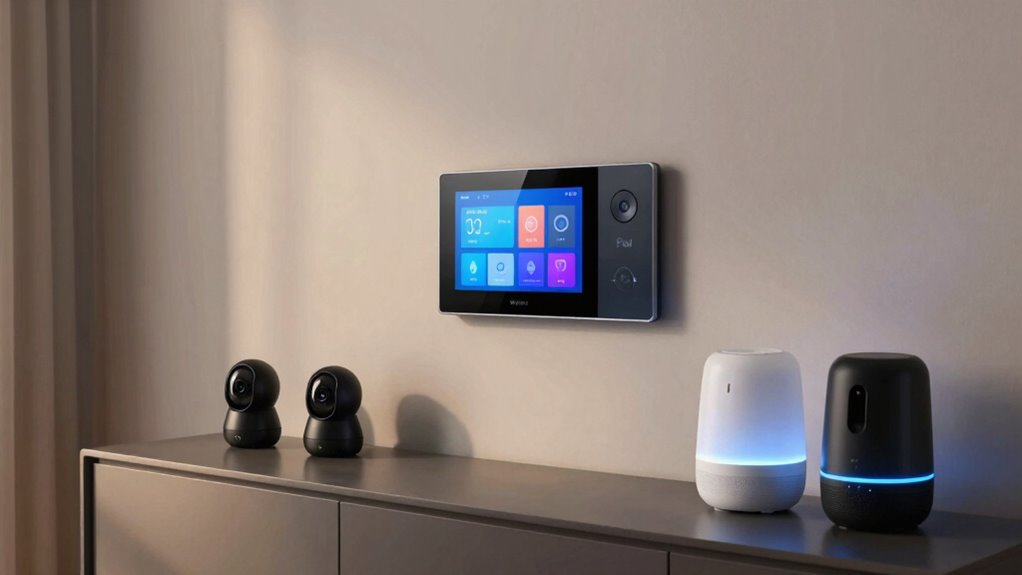
Choosing the right home automation ecosystem can substantially enhance your living experience, but with so many options available, it’s easy to feel overwhelmed. To make an informed decision, you need to consider how well the system aligns with your lifestyle and future needs. One of the most important features to evaluate is voice control. With voice-activated assistants like Amazon Alexa, Google Assistant, or Apple Siri, you can control lights, thermostats, locks, and other devices effortlessly. Voice control not only offers convenience but also makes daily routines smoother, especially when your hands are full or you’re multitasking. Check whether the ecosystem supports the voice assistants you already use or plan to adopt, ensuring seamless integration and minimal setup headaches.
Evaluate voice control compatibility to ensure seamless, hands-free device management and smooth daily routines.
Security integration is another critical factor. Your home’s safety depends on how well your automation system can connect with security cameras, smart locks, alarms, and sensors. Look for ecosystems that support extensive security features and allow you to monitor your property remotely. You should also verify if the system provides alerts for unusual activity and easy access to security footage via your smartphone. An integrated security setup provides peace of mind, knowing that your home is protected and that you can respond quickly to any threats or emergencies. Incorporating security features can also help improve your home’s overall indoor air quality by alerting you to potential hazards like gas leaks or smoke. Additionally, compatibility with various security devices ensures comprehensive protection tailored to your needs. A well-designed ecosystem should also support easy device setup, making it simpler to add new security components as your system expands.
Beyond voice control and security, compatibility is essential. Some ecosystems work best with specific brands or types of devices, so consider what smart gadgets you already own or plan to buy. A unified ecosystem minimizes compatibility issues, prevents frustration, and offers a more cohesive experience. For example, if you prefer Apple products, an Apple-centric system like HomeKit might be your best choice. Alternatively, if you want a broad range of device options, platforms like Samsung SmartThings or Amazon Alexa could serve you better.
Ease of use also matters. You want a system that’s straightforward to set up and manage, with an intuitive app interface. If you’re not tech-savvy, avoid overly complicated systems that require extensive programming or customization. Instead, opt for ecosystems that prioritize user-friendly controls and reliable performance. Additionally, understanding the compatibility between your existing devices and the ecosystem can prevent future headaches and ensure a smoother setup process. Taking the time to research user reviews and support options can make a significant difference in your overall experience. A user-friendly ecosystem can make all the difference in maintaining long-term satisfaction and engagement with your smart home setup.
Finally, consider your budget and potential for expansion. Some ecosystems come with higher initial costs but offer more advanced features, while others are more affordable but less versatile. Think about whether the system allows future upgrades or additions, so your home automation can grow with your needs. By weighing these factors—voice control, security integration, compatibility, ease of use, and affordability—you can choose an ecosystem that not only fits your current lifestyle but also adapts to your evolving home automation goals.
Amazon Alexa compatible smart home hub
As an affiliate, we earn on qualifying purchases.
As an affiliate, we earn on qualifying purchases.
Frequently Asked Questions
Can I Switch Ecosystems Later Without Losing My Devices?
You can switch ecosystems later, but device compatibility and ecosystem flexibility matter. Some devices work across multiple platforms, making shifts easier. However, others are tied to specific ecosystems, which could mean replacing compatible devices or facing limited functionality. To minimize hassle, choose an ecosystem with broad device compatibility and flexible integrations. That way, when you switch later, you’ll retain more devices and enjoy a smoother transition without losing essential features.
How Secure Are Home Automation Ecosystems From Hacking?
Home automation ecosystems are generally secure, but privacy concerns exist if you don’t set up proper safeguards. Hackers target weak passwords and unpatched devices, so keep your firmware updated and use strong, unique passwords. Check device compatibility carefully, as incompatible devices can create vulnerabilities. Always enable two-factor authentication when available, and review your ecosystem’s security features regularly to reduce risks and keep your smart home safe from hacking attempts.
Do Ecosystems Support Integration With Third-Party Devices?
Think of your ecosystem as a busy city with roads connecting various neighborhoods. Most ecosystems support third-party device integration, but compatibility varies. You’ll find many offer extensive customization options to tailor your smart home, but check if your preferred devices are compatible beforehand. Some ecosystems play nicely with third-party products, while others keep a tighter grip, so verify your chosen system can connect seamlessly to all your desired gadgets.
Are There Differences in Energy Savings Between Ecosystems?
Yes, there are differences in energy savings between ecosystems. Some ecosystems prioritize energy efficiency and optimize device compatibility, leading to better management of your energy use. Others might lack advanced automation features that cut energy costs. When choosing an ecosystem, consider how well it supports energy-efficient devices and whether it offers automation options that help reduce your energy consumption, ultimately saving you money and reducing your environmental impact.
What Is the Typical Cost of Setting up Each Ecosystem?
Getting started with a home automation ecosystem involves some investment, but it’s generally manageable. Costs vary based on device compatibility and the user interface you prefer. For a basic setup, you might spend a few hundred dollars, while more advanced systems could cost a thousand or more. Remember, choosing an ecosystem that aligns with your budget and offers an intuitive user interface helps make the process smoother and more enjoyable.
smart security camera with remote monitoring
As an affiliate, we earn on qualifying purchases.
As an affiliate, we earn on qualifying purchases.
Conclusion
Choosing the right home automation ecosystem can transform your living space into a seamless, smart sanctuary. Remember, over 60% of smart home users report increased convenience and energy savings. By understanding your needs and compatibility options, you’ll make a confident choice that enhances your daily life. Don’t rush—select an ecosystem that aligns with your lifestyle, and enjoy the peace of mind and innovation that comes with a truly connected home.
smart locks compatible with Apple HomeKit
As an affiliate, we earn on qualifying purchases.
As an affiliate, we earn on qualifying purchases.
voice-controlled smart thermostats
As an affiliate, we earn on qualifying purchases.
As an affiliate, we earn on qualifying purchases.
Fall yard work Picks
leaf blowers
As an affiliate, we earn on qualifying purchases.