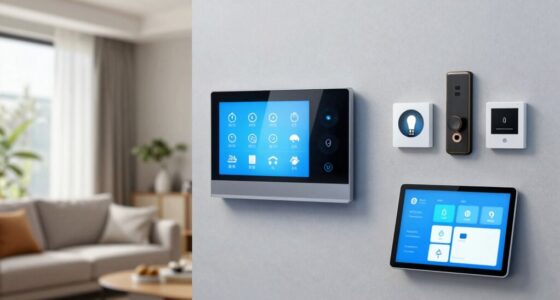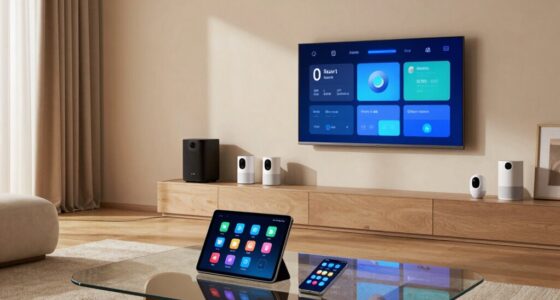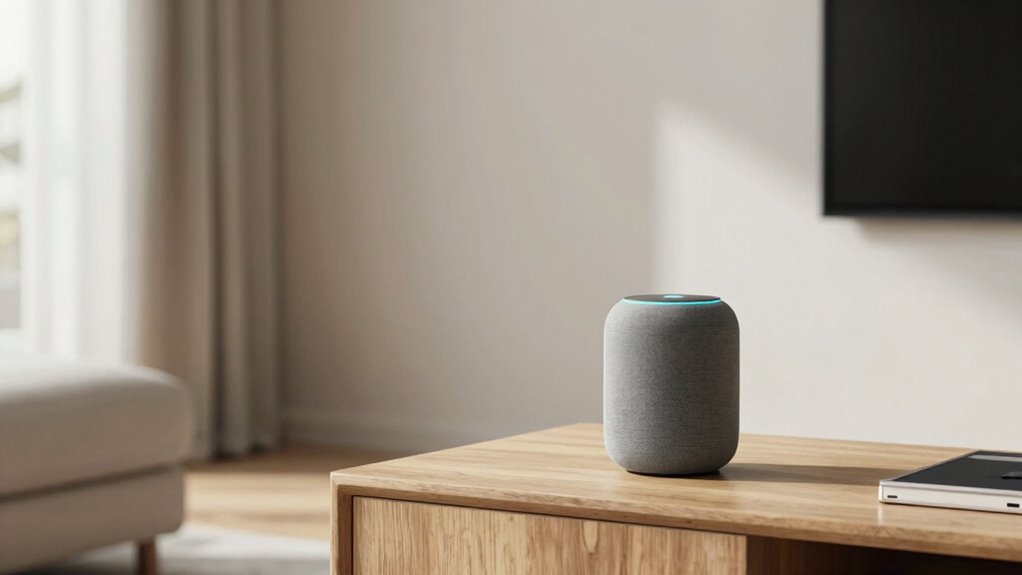

Having a simple smart home setup makes it easier for you to manage devices and avoid technical issues. It reduces overwhelm, keeping controls intuitive and straightforward. Voice commands with popular assistants like Alexa or Google Assistant save you time and effort. Focusing on core devices like lights, thermostats, and security cameras guarantees everything works smoothly together. A simplified system is more reliable and energy-efficient. Stick around to discover how these strategies can transform your smart home experience.

Get home appliances delivered free — and shop member deals
- Fast, free delivery on millions of items
- Access to Prime Big Deal Days deals on October 6–7
- Prime Video, Amazon Music and more included
Key Takeaways
- Simplified setups reduce technical issues and make management easier.
- Fewer devices and controls prevent overwhelm and enhance user experience.
- Voice control integration streamlines routines and saves time.
- Compatibility-focused systems ensure reliable performance and easier troubleshooting.
- Energy-efficient, straightforward systems promote sustainable and hassle-free living.
Setting up a smart home doesn’t have to be complicated. In fact, the simplest setups often deliver the best experience because they’re easier to manage and less prone to technical issues. When you focus on simplicity, you’re less likely to get overwhelmed by a jumble of devices and confusing controls. Instead, you can enjoy a seamless integration of technology that genuinely enhances your daily life. One key to achieving this is prioritizing voice control. With voice-activated assistants like Alexa, Google Assistant, or Siri, you can command your home with just a few words. Imagine turning off the lights, adjusting the thermostat, or playing music without having to pick up your phone or fiddle with multiple apps. Voice control not only makes your smart home more intuitive but also speeds up routine tasks, saving you time and effort. Plus, it reduces the need for complicated interfaces, keeping everything straightforward and accessible. Additionally, choosing compatible devices from the start ensures a smoother and more reliable experience overall. A simplified setup also minimizes the potential for technical issues and makes troubleshooting much easier if problems arise.
Another major benefit of keeping your setup simple is energy efficiency. When your devices are easy to operate and integrate well, you’re more likely to use them thoughtfully and consistently. For example, a smart thermostat that learns your schedule and adjusts itself accordingly helps you save energy without sacrificing comfort. You won’t need to constantly tweak settings or worry about wasting electricity, because the system adapts naturally to your lifestyle. Simplified smart home systems also tend to be more reliable, which means you won’t have to troubleshoot numerous issues or manage a tangled web of incompatible devices. Incorporating standardized protocols can further enhance device compatibility and overall system stability. In addition, choosing devices with good support can help prevent frustrating technical problems down the line. Instead, you gain a cohesive environment that automatically optimizes energy use and minimizes waste.
The key to a successful, simple smart home setup is choosing devices and platforms that work well together from the start. Opt for products that support a single voice control system or are compatible with popular hubs. This way, you avoid the frustration of managing multiple apps and accounts. Also, consider focusing on a handful of core smart devices—like smart lights, thermostats, and security cameras—rather than overloading your space with gadgets. This approach keeps things manageable and ensures that each component functions smoothly within your system. When you streamline your smart home, you create a space that’s not only easy to control but also more energy-efficient. You’ll find that simplicity allows you to enjoy the benefits of smart technology without the stress or complexity that often comes with overly complicated setups.
smart home voice control devices
As an affiliate, we earn on qualifying purchases.
As an affiliate, we earn on qualifying purchases.
Frequently Asked Questions
How Do I Start Simplifying My Existing Smart Home System?
Start simplifying your smart home system by evaluating your current devices for automation integration and device compatibility. Remove unnecessary gadgets and focus on core functions. Choose a single platform that supports your remaining devices for seamless control. Streamline routines to avoid overlaps, and regularly update firmware to keep everything running smoothly. This approach reduces complexity, making your smart home more user-friendly and reliable.
What Are the Most User-Friendly Smart Home Brands?
You’ll be amazed at how user-friendly brands like Amazon Alexa, Google Nest, and Apple HomeKit make your smart home feel like magic. Their voice control is so intuitive, it’s almost like talking to a friend. Plus, their device compatibility is unmatched, seamlessly connecting lights, thermostats, and security systems. With these brands, you won’t just set up a smart home—you’ll live in one that’s effortless, fun, and truly smart.
How Can I Ensure My Smart Home Setup Is Secure?
To keep your smart home secure, you should prioritize encryption techniques and privacy protocols. Use strong, unique passwords for all devices and enable two-factor authentication where possible. Regularly update your device firmware and software to patch security vulnerabilities. Also, disable any unnecessary features or remote access settings. These steps help protect your data and guarantee your smart home remains safe from cyber threats.
Is It Cost-Effective to Maintain a Simple Smart Home?
Absolutely, maintaining a simple smart home is cost-effective because it minimizes unnecessary expenses and maximizes efficiency. With fewer devices, you save on energy costs and reduce compatibility concerns, promoting seamless device interoperability. Streamlining your smart setup simplifies security, sustains savings, and sustains sustainability. By focusing on essential devices, you enhance energy efficiency while avoiding the clutter and confusion of overcomplicated systems. Simple setups save money and make your smart home smarter.
Can I Upgrade My Smart Home Without Complexity?
Yes, you can upgrade your smart home without adding complexity. Focus on simple enhancements like voice control for your lights or thermostat, which makes automation easy and intuitive. These upgrades also promote energy savings by allowing you to control devices precisely when needed. Keep your setup streamlined by choosing compatible devices and avoiding overloading it with unnecessary features, ensuring your smart home remains user-friendly and efficient.
compatible smart thermostats and security cameras
As an affiliate, we earn on qualifying purchases.
As an affiliate, we earn on qualifying purchases.
Conclusion
Think of your smart home as a well-tended garden. When you keep it simple, each plant—device—thrives without choking on clutter or confusion. Overcomplicating things is like trying to grow every flower in one bed; it becomes overwhelming and harder to care for. By embracing simplicity, you create a harmonious landscape where every element works effortlessly in harmony, making your smart home a peaceful sanctuary—beautiful, functional, and easy to enjoy.
As an affiliate, we earn on qualifying purchases.
energy-efficient smart lighting system
As an affiliate, we earn on qualifying purchases.
As an affiliate, we earn on qualifying purchases.
NFL season / tailgating Picks
team gear
As an affiliate, we earn on qualifying purchases.