Before installing a DIY home security system, you should consider device compatibility, ease of installation, and whether you want professional monitoring or self-monitoring. Check if the system connects seamlessly to your smartphones and if it’s expandable with new sensors or cameras later. Pay attention to data privacy features and encryption to keep your information safe. Understanding these factors helps you choose the right setup. Keep exploring to discover more tips for a secure, hassle-free installation.
Key Takeaways
- Evaluate whether the system supports professional monitoring or self-monitoring based on your security needs and budget.
- Ensure the system is easy to install, expandable, and compatible with existing or future devices.
- Confirm the system’s data privacy and security features, including encryption and reputable brand standards.
- Check device compatibility within the ecosystem to prevent conflicts and enable seamless integration.
- Consider the flexibility of remote control, real-time alerts, and ease of use for effective security management.

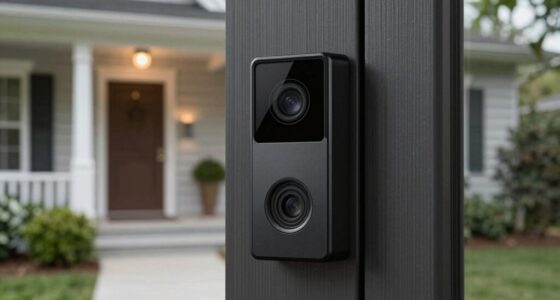
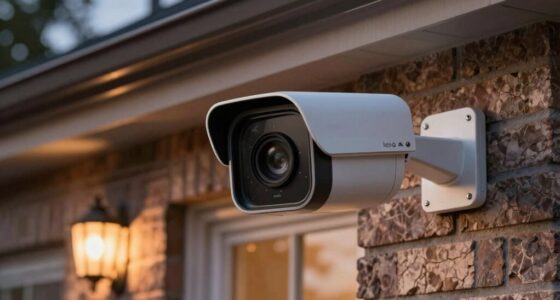
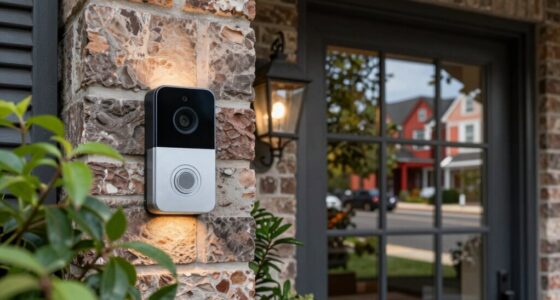
Creating a DIY home security system gives you control over your safety while saving money. When you decide to install your own system, you’re taking a proactive step toward protecting your home without the hefty costs of professional setups. However, before diving in, it’s important to consider what features and factors will best suit your needs. One key aspect is the use of smart technology. Modern DIY security systems often include smart devices like cameras, sensors, and alarms that connect seamlessly to your smartphone or tablet. These tools allow you to monitor your home in real-time, receive instant alerts, and even control devices remotely. Ensuring the system you choose supports smart technology is essential, as it provides flexibility and convenience, making it easier to respond quickly to any threats or issues.
DIY home security systems offer real-time monitoring, remote control, and smart technology integration for enhanced safety and convenience.
Another critical consideration is whether you want professional monitoring. Some DIY systems come with the option to subscribe to 24/7 monitoring services, which means trained personnel will watch over your home and alert authorities if needed. This feature can greatly enhance your security, especially if you’re away frequently or worried about missing suspicious activity. On the other hand, if you prefer to rely solely on self-monitoring, you’ll need a system that provides reliable alerts and easy-to-use interfaces. Weighing the benefits of professional monitoring versus self-monitoring helps determine what level of security fits your lifestyle and budget.
Ease of installation is another factor to think about. Many DIY systems are designed for simple setup, often requiring just a few tools and minimal technical knowledge. However, some systems might involve more complex configurations or require specific placement for maximum coverage. Make sure you understand the installation process beforehand, and consider whether you’re comfortable handling it yourself or if you’ll need assistance. Additionally, check if the system is expandable—can you add more sensors or cameras later? This flexibility can be beneficial as your needs evolve. It’s also important to consider security system compatibility to ensure your chosen devices work well together and support future upgrades. Moreover, understanding the security system’s ecosystem helps in creating a cohesive and efficient setup, reducing potential compatibility issues down the line.
Lastly, don’t overlook the importance of data privacy and security. When your system connects to the internet, sensitive information is transmitted and stored online. Choose a reputable brand that encrypts data and has clear privacy policies. This will help protect your personal information from potential cyber threats.

aosu 2K QHD Solar Security Cameras Wireless Outdoor System, 4-Cam-Kit
2-Minute DIY Installation By Anyone: Truly wireless outdoor cameras features a integrated solar panel—just drill 4 holes and…
As an affiliate, we earn on qualifying purchases.
As an affiliate, we earn on qualifying purchases.
Frequently Asked Questions
Can I Install a DIY Security System Without Technical Skills?
Yes, you can install a DIY security system without technical skills. Many systems feature wireless connectivity, making setup straightforward with no need for wiring. You’ll want to check the battery life to guarantee continuous protection, and most devices offer easy-to-follow instructions or app-guided installation. With a little patience, you can position sensors and cameras effectively, creating a reliable security setup without professional help.
How Reliable Are DIY Security Systems Compared to Professional Ones?
DIY security systems can be quite reliable, especially with good alarm durability and flexible monitoring options. While they might not match professional systems’ sophistication, many offer solid performance and easy customization. You can choose from self-monitoring or professional monitoring services, giving you control over alerts and response times. Just make certain you select reputable brands with positive reviews to maximize reliability and security for your home.
Are DIY Security Systems Compatible With Smart Home Devices?
Yes, DIY security systems often are compatible with smart home devices through home automation features. You can connect them via wireless connectivity, allowing you to control cameras, door locks, and lights from a single app or smart hub. However, check compatibility beforehand, as some systems work better with certain smart devices. Ensuring seamless integration enhances your home’s security and convenience, making your DIY setup more effective.
What’s the Average Cost of a DIY Home Security Setup?
The average cost of a DIY home security setup ranges from $200 to $500, depending on the equipment and features you choose. For effective budget planning, do a cost comparison between basic kits and advanced systems with smart integrations. Consider ongoing expenses like subscription plans for monitoring or cloud storage. By evaluating your needs and comparing costs, you can select a setup that offers the best security without overspending.
How Do I Ensure My DIY System Is Cybersecurity Protected?
Your DIY security system’s protection is your digital fortress—don’t leave it vulnerable! Guarantee cybersecurity by enabling strong encryption protocols and changing default passwords immediately. Regularly update your firmware to patch security flaws and keep hackers at bay. These simple yet powerful steps make your system nearly impenetrable, transforming your home into a digital stronghold. Stay vigilant, and your smart security setup will guard your home like a fortress!

WiFi Door Alarm System, 8-Piece DIY Wireless Alarm Kit with Door Sensors
WIFI Network: WIFI connection, Only works on 2.4GHz WiFi network, does NOT support 5GHz WiFi networks.
As an affiliate, we earn on qualifying purchases.
As an affiliate, we earn on qualifying purchases.
Conclusion
Before installing a DIY home security system, remember to weigh your needs, budget, and technical comfort. Proper placement and understanding system features guarantee you get the most out of your investment. Did you know that homes without security systems are 300% more likely to be burglarized? Taking the time to choose and set up the right system can substantially enhance your safety. Stay vigilant, and enjoy peace of mind knowing you’re doing your best to protect your home.

Ring Alarm 8-Piece Kit (newest model), Home or business security system with optional 24/7 professional monitoring
A great fit for 1-2 bedroom homes, this kit includes one base station, one keypad, four contact sensors,…
As an affiliate, we earn on qualifying purchases.
As an affiliate, we earn on qualifying purchases.

Philips Personal Security Window and Door Alarm, 4 Pack, DIY Protection, Burglar Alert, Wireless, Chime/Alarm, Easy Installation, Ideal for Home, Garage, Apartment, RV and More, LRM3320W/27
Safe and Secure – Ward off would-be intruders with a 120-decibel alarm triggered by a high-quality magnetic sensor,…
As an affiliate, we earn on qualifying purchases.
As an affiliate, we earn on qualifying purchases.