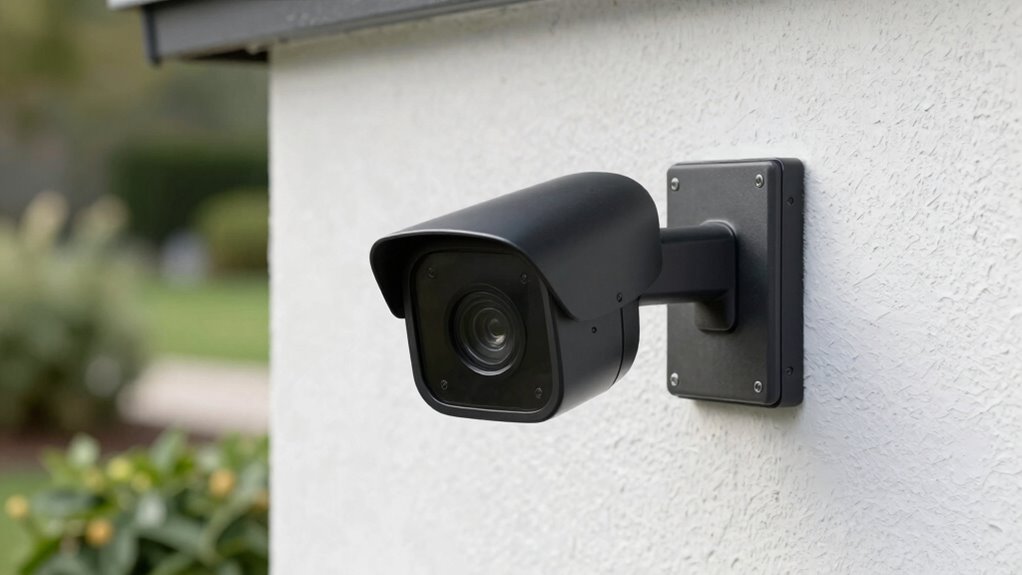

Before installing cameras around your home, you need to take into account privacy laws and respect neighbors’ privacy. Place cameras only on public areas or your property boundaries, avoiding private spaces like windows or backyards. Check local regulations on recording and signage requirements, and store footage securely. Stay informed about legal rules to prevent fines or issues. If you want to learn more about safe and lawful installation, keep exploring to get expert tips and common pitfalls.

Get home appliances delivered free — and shop member deals
- Fast, free delivery on millions of items
- Access to Prime Big Deal Days deals on October 6–7
- Prime Video, Amazon Music and more included
Key Takeaways
- Ensure cameras are directed at public areas and property boundaries, avoiding private spaces and neighbors’ privacy.
- Familiarize yourself with local privacy laws, including audio recording restrictions and signage requirements.
- Use clear signage if legally required to notify visitors of surveillance.
- Secure stored footage and limit access, using it solely for security purposes.
- Regularly review and comply with updated surveillance regulations to prevent legal issues.

Installing cameras around your home can boost security and give you peace of mind, but it’s important to understand the legal and privacy considerations involved. One of the first things to keep in mind is privacy concerns, both for your family and neighbors. You want to assure that your cameras don’t intrude on someone’s private space, like their backyard or interior rooms where they have a reasonable expectation of privacy. Overstepping these boundaries can lead to complaints, legal issues, or even lawsuits. It’s wise to focus your camera placement on public areas or your property’s perimeter, avoiding pointing cameras directly into neighbors’ windows or private spaces. This helps respect others’ privacy and prevents potential conflicts. Additionally, understanding privacy laws in your area can help you stay compliant and avoid inadvertent violations. Being aware of surveillance regulations can further guide your installation practices and ensure you act within the law.
Legal considerations are equally important. Many regions have laws regulating surveillance, especially with video and audio recording. In some places, recording audio without consent is illegal, so if you plan to include audio in your cameras, make sure you understand the local laws. Additionally, there may be rules about signage—some jurisdictions require you to notify visitors or trespassers that they’re under surveillance. Failing to do so can result in fines or legal repercussions. Before installing your cameras, research your local regulations or consult with a legal professional to ensure you’re compliant. This not only protects you from legal trouble but also demonstrates your good intentions of safeguarding your home responsibly.
Another legal aspect involves how you handle the footage you record. Many laws specify that you should only store footage for a limited time and use it solely for security purposes. Sharing or distributing footage without proper consent can be illegal, especially if it captures private moments or identifiable individuals without their permission. Make sure your storage methods are secure and that access is limited to trusted individuals. Clear policies about who can view or delete footage can also help prevent misuse or accidental privacy violations.
As an affiliate, we earn on qualifying purchases.
Frequently Asked Questions
Are There Legal Restrictions on Camera Placement in Residential Areas?
Yes, there are legal restrictions on camera placement in residential areas. You need to respect surveillance ethics and privacy concerns, ensuring you don’t invade neighbors’ private spaces like windows or yards. Laws vary by location, so you should check local regulations. Keep your cameras focused on your property, avoid capturing public or neighboring private areas, and always consider privacy rights to prevent legal issues.
How Do I Ensure My Camera Footage Remains Private and Secure?
Did you know that over 50% of homeowners worry about their footage being accessed without permission? To keep your camera footage private and secure, guarantee your cameras use strong camera encryption, which protects your data from hacking. Also, restrict user access to only trusted individuals, regularly update passwords, and enable two-factor authentication. These steps help safeguard your footage, keeping your home secure and your privacy intact.
What Are the Best Camera Types for Outdoor Use?
For outdoor use, you should choose cameras with weatherproof features like IP66 or higher ratings, ensuring they withstand rain and dust. Look for models with night vision, motion detection, and high-resolution footage to catch details clearly. Consider installation factors such as secure mounting options, ideal placement for coverage, and power sources. These camera features and installation considerations help you protect your property effectively while maintaining durability and ease of use outdoors.
How Long Can Camera Footage Be Stored Legally?
You can typically store camera footage for anywhere from a few days to several months, depending on your local laws and privacy concerns. Many jurisdictions have regulations on footage retention to protect privacy, often limiting storage to a certain period. It’s vital to stay informed about these rules to avoid legal issues. Regularly reviewing and deleting old footage helps address privacy concerns and ensures compliance with data retention policies.
Do Cameras Interfere With Neighbors’ Privacy Rights?
Think of your cameras as a friendly neighbor who respects boundaries. Cameras can interfere with neighbors’ privacy rights if they capture areas beyond your property. Privacy concerns and ethical considerations should guide your placement. For example, pointing cameras toward a neighbor’s backyard might cause tension. Always make certain your cameras focus on your property, respecting others’ privacy, to avoid conflicts and maintain good neighborly relations.
outdoor surveillance camera with signage
As an affiliate, we earn on qualifying purchases.
As an affiliate, we earn on qualifying purchases.
Conclusion
Installing cameras around your home can boost security and peace of mind. Just remember to respect privacy laws and inform neighbors if needed. Did you know that 60% of burglaries happen when no one’s home? By thoughtfully placing cameras, you’re not only protecting your property but also deterring potential intruders. Take the time to plan and set up your system responsibly—you’re making a smart investment in your safety and peace of mind.
camera with secure footage storage
As an affiliate, we earn on qualifying purchases.
As an affiliate, we earn on qualifying purchases.
privacy compliant security camera
As an affiliate, we earn on qualifying purchases.
As an affiliate, we earn on qualifying purchases.
NFL season / tailgating Picks
team gear
As an affiliate, we earn on qualifying purchases.