Privacy concerns with AI home security stem from constant data collection, potential breaches, and unauthorized access. To protect yourself, choose devices with strong encryption, enable secure access controls, and update software regularly. Be cautious about sharing footage and review privacy settings often. Understanding how your data is handled and staying vigilant helps keep your personal info safe. Continue exploring to learn practical steps you can take to safeguard your privacy effectively.

Get home appliances delivered free — and shop member deals
- Fast, free delivery on millions of items
- Access to Prime Big Deal Days deals on October 6–7
- Prime Video, Amazon Music and more included
Key Takeaways
- Regularly review and update device privacy settings to control data collection and sharing.
- Use strong passwords, encryption, and secure networks to prevent unauthorized access to surveillance data.
- Obtain explicit user consent before recording or transmitting sensitive footage, and delete data securely.
- Choose devices from reputable brands with transparent privacy policies and consistent security updates.
- Limit access permissions and enable automatic updates to ensure ongoing protection of personal information.
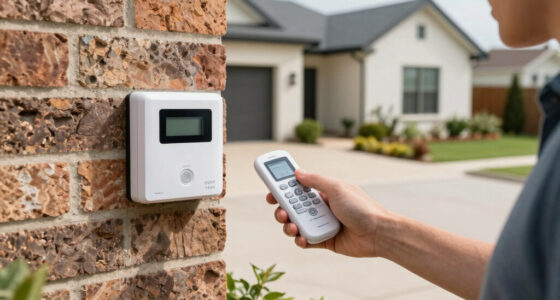
AI home security system with encryption
As an affiliate, we earn on qualifying purchases.
As an affiliate, we earn on qualifying purchases.
Understanding Data Collection in AI Security Systems
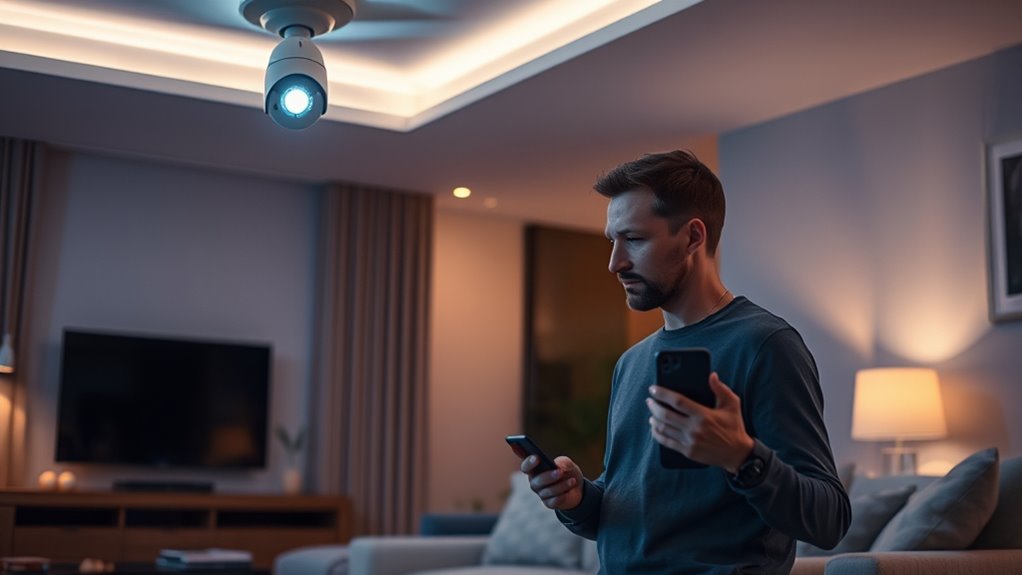
Understanding data collection in AI security systems is essential because these systems rely on gathering vast amounts of information to function effectively. Accurate sensor calibration ensures that cameras, motion detectors, and other sensors accurately detect activity without false alarms. This process minimizes errors, helping the system recognize genuine threats while respecting user privacy. Data collection also includes user authentication processes, which verify identities through facial recognition or biometric data. Proper calibration of sensors is crucial for maintaining sensor accuracy and preventing unnecessary data collection that could compromise privacy. This process must be carefully managed to prevent overreach and ensure security. Additionally, implementing landscaping considerations can help enhance sensor effectiveness while maintaining privacy boundaries. As you set up your AI home security, be aware of how sensors are calibrated and how user authentication data is stored and used. Additionally, understanding sensor calibration can help optimize the effectiveness of your security system by fostering a positive environment around your home.
secure Wi-Fi router for home security
As an affiliate, we earn on qualifying purchases.
As an affiliate, we earn on qualifying purchases.
Risks of Unauthorized Access and Data Breaches

While AI home security systems offer advanced protection, they also present significant risks if unauthorized individuals gain access or if data breaches occur. Weak encryption protocols can leave your data vulnerable to hackers, exposing sensitive footage and personal information. Without strong user authentication, unauthorized users might bypass security measures and control your system remotely. To minimize these risks, guarantee your system uses robust encryption protocols for data transmission and storage. Additionally, enable multi-factor user authentication, making it harder for intruders to access your account. Regularly update your software to fix security vulnerabilities and stay ahead of potential threats. Implementing secure network configurations and ensuring proper firewall settings further help protect your system from external attacks. Understanding cybersecurity best practices can significantly enhance your overall system safety. Educating yourself on threat detection techniques can also help identify potential security breaches early. Being proactive about these security measures helps protect your privacy and keeps your home safe from malicious attacks. Using proper storage practices for your data can also reduce the risk of unauthorized access. Incorporating encryption protocols into your system adds an extra layer of security to safeguard sensitive information.
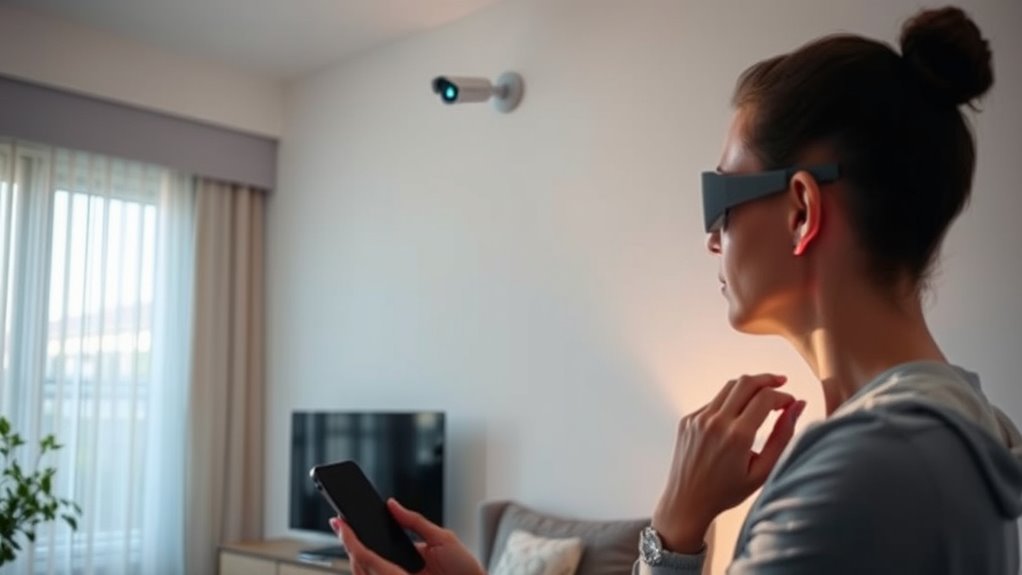
multi-factor authentication security device
As an affiliate, we earn on qualifying purchases.
As an affiliate, we earn on qualifying purchases.
Privacy Implications of Continuous Surveillance

When your home security system constantly monitors your activities, it collects a lot of personal data that you might not expect. This ongoing recording increases the risk of unauthorized access and misuse of your footage. As a result, your privacy could be markedly impacted, making you question how much surveillance is truly necessary. Implementing privacy policies can help clarify how your data is managed and protected. Additionally, understanding connected appliances and their data sharing practices can further enhance your privacy awareness. Being aware of smart device vulnerabilities can also help you take proactive steps to safeguard your personal information. Knowing how home and small-shop power systems are integrated with these devices can also influence your overall privacy strategy. Moreover, familiarizing yourself with tactical tea and other lifestyle choices can contribute to a proactive approach to security and privacy management.
Data Collection Practices
Continuous surveillance through AI home security systems means your data is constantly being collected, often without you fully realizing its extent. This ongoing collection raises questions about your privacy and control. To address this, providers should prioritize: 1. Implementing data anonymization techniques to protect your identity. 2. Clearly obtaining your user consent before collecting or sharing any data. 3. Limiting data collection to only what is necessary for security purposes. 4. Offering transparent information about how your data is stored, used, and shared. Additionally, understanding the data lifecycle involved in AI surveillance can help you make more informed privacy decisions. Regular maintenance routines, such as ensuring the filtering systems are working effectively, can also prevent data breaches and protect your information. Being aware of privacy policies and their implications enables you to better control your data sharing preferences.
Unauthorized Recording Risks
Because AI home security systems are always monitoring, there’s a significant risk that recordings could happen without your knowledge or consent. Unauthorized recording can lead to serious privacy violations, especially if sensitive conversations or private moments are captured unintentionally. These recordings might be stored, shared, or accessed by third parties without your approval, increasing the chance of misuse. Such situations undermine your control over personal information and can expose you to identity theft or other security threats. To address these risks, review your device’s privacy settings, limit access permissions, and understand how your recordings are managed. Being aware of when and how recordings happen helps you safeguard your privacy and prevent unauthorized recording from becoming a serious privacy violation. Additionally, understanding the security protocols and encryption methods used by your system can further protect your recordings from unauthorized access. Regularly updating your firmware can also patch vulnerabilities that might be exploited to access your footage. Moreover, familiarizing yourself with privacy policies and opting out of unnecessary data sharing can provide an extra layer of protection. Ensuring that your system uses secure storage practices can also help prevent breaches of your recorded footage. Incorporating access controls can further limit who has permission to view sensitive recordings.
Impact on Personal Privacy
The pervasive monitoring by AI home security systems can considerably intrude on your personal privacy, as it often involves constant observation of your daily routines and private spaces. This continuous surveillance raises concerns about how your data is handled and protected. To safeguard your privacy, guarantee that: 1. Data encryption is used to secure your recordings from unauthorized access. 2. Your user consent is explicitly obtained before any data collection occurs. 3. You understand the privacy policy and how your information will be stored and shared. 4. Regular security updates are implemented to prevent vulnerabilities. Additionally, understanding the privacy implications of continuous surveillance is crucial for making informed decisions about your home security choices. Staying informed about data security best practices can help you better protect your personal information in a connected home environment. Being aware of potential privacy breaches associated with these systems can further aid in safeguarding your personal space.
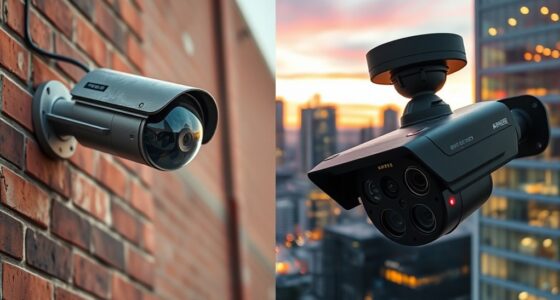
privacy-focused home security camera
As an affiliate, we earn on qualifying purchases.
As an affiliate, we earn on qualifying purchases.
How to Choose Secure and Privacy-Focused Devices
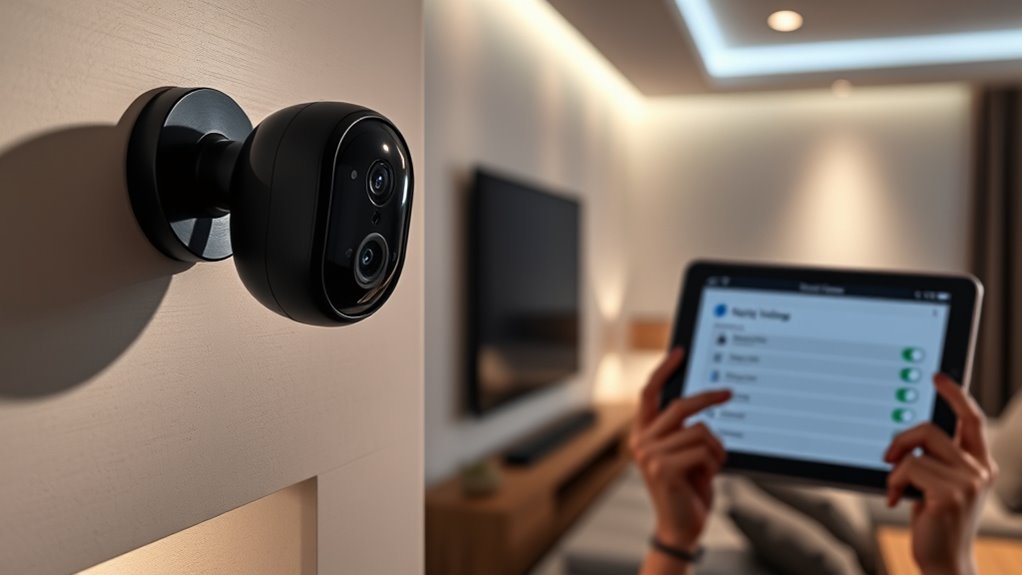
Choosing secure and privacy-focused devices starts with researching brands that prioritize user data protection. Look for products that offer strong device encryption, ensuring your video feeds and data remain protected from unauthorized access. Check the privacy settings available on each device; customizable options allow you to control what information is shared and with whom. Avoid devices that collect excess data or lack transparency about data handling practices. Trusted brands often publish clear privacy policies and security features, so review those carefully. Opt for devices that receive regular security updates, which help patch vulnerabilities over time. By prioritizing these factors, you can select home security devices that safeguard your privacy while providing the security you need.
Setting Up Proper Access Controls and Permissions

Setting up proper access controls and permissions is essential to maintaining your home security system’s privacy. You need to carefully manage user access and permission settings to prevent unauthorized viewing or control. To do this effectively:
- Limit user access to only what’s necessary for each individual.
- Use strong, unique passwords for all accounts.
- Regularly review permission settings and update them when needed.
- Remove or disable accounts of users who no longer need access.
Keeping Firmware and Software Up to Date

Keeping your firmware and software up to date is essential for maintaining your security. Regular updates patch vulnerabilities that hackers could exploit, protecting your privacy. Make sure you stay current with the latest versions to keep your home security system safe.
Regular Firmware Updates
Regular firmware updates are essential for maintaining the security of your AI home security system. These updates ensure your device stays protected against new threats and help enforce privacy protocols. By regularly updating, you reduce vulnerabilities that hackers could exploit. Here are four key points to keep in mind:
- Check for updates frequently through the device’s settings.
- Enable automatic firmware updates if available.
- Review update notes to understand what changes are made.
- Confirm updates are downloaded over secure connections.
Staying current with firmware updates not only addresses security issues but also reinforces privacy protocols, safeguarding your personal data. Ignoring updates can leave your system exposed, so make them a routine part of your security maintenance.
Patch Security Vulnerabilities
Updating your firmware and software regularly is essential for patching security vulnerabilities that could otherwise be exploited by hackers. When you keep your devices current, you ensure that the latest security patches are applied, closing loopholes in encryption protocols that protect your data. Regular updates also facilitate thorough security audits, which help identify and eliminate potential weaknesses before cybercriminals can exploit them. Manufacturers often release firmware updates specifically designed to address newly discovered vulnerabilities, so ignoring these updates leaves your smart home network exposed. By staying vigilant and promptly installing updates, you strengthen your defenses against intrusion, safeguarding your privacy. Remember, maintaining up-to-date firmware isn’t just about functionality—it’s a critical step in protecting your personal information from malicious attacks.
Tips for Managing and Deleting Your Data Safely

Managing and deleting your data safely is crucial to protect your privacy when using AI home security systems. To do this effectively, focus on a few key steps.
- Regularly review your device’s privacy settings and disable any features you don’t need.
- Always seek user consent before sharing or transmitting your data, especially if it involves sensitive footage.
- Use data anonymization techniques to protect your identity if storage or analysis is necessary.
- When deleting data, confirm it’s completely removed from all servers and backups to prevent unauthorized access.
Frequently Asked Questions
How Can I Tell if My AI Security System Is Collecting Excessive Data?
You can tell if your AI security system is collecting excessive data by checking its privacy settings and data collection policies. Review the user manual or app to see what types of data are being gathered, such as audio, video, or location info. Adjust privacy settings to limit unnecessary data collection, and look for clear information on how your data is stored and used. Staying informed helps protect your privacy effectively.
What Are the Legal Rights Regarding My Security Footage and Data?
Your legal rights typically give you ownership of your security footage and data, meaning you can request access, correction, or deletion. Laws vary depending on your location, but generally, data privacy regulations protect you from unauthorized use or sharing of your information. You should review your security provider’s policies and local laws to understand your rights fully, and don’t hesitate to exercise them if needed.
How Do AI Home Security Systems Impact My Household Privacy?
AI home security systems impact your household privacy by capturing and analyzing your data, but they address concerns through data encryption and obtaining your explicit user consent. You should review the privacy settings, guarantee the system encrypts your footage, and understand how your data is used. By staying informed and controlling permissions, you can balance security with privacy, making sure your household remains protected without unnecessary intrusion.
Can AI Security Devices Accidentally Record Private Conversations?
Yes, AI security devices can accidentally record private conversations, especially when voice activation triggers false alarms. Ironically, while these systems aim to protect your home, they might pick up your private chats, making you wonder if your smart home is spying on you. To prevent this, you can disable voice recording features or adjust sensitivity settings, ensuring your privacy stays intact while enjoying the benefits of AI security.
What Are the Best Practices for Securely Sharing Access With Family or Neighbors?
To securely share access with family or neighbors, you should implement strict access control by setting user permissions carefully. Use your security app’s features to grant only necessary permissions, like viewing live footage or receiving alerts, and avoid sharing full admin rights. Regularly review and update access settings, and consider using temporary or time-limited permissions for added security. This approach helps protect your privacy while allowing trusted individuals access.
Conclusion
Think of your AI home security as a vault guarding your most valuable treasures. Just like you’d lock your doors and set alarms, you need to stay vigilant about your data. Regular updates and careful permissions are your keys to peace of mind. Remember, a secure system isn’t just about technology—it’s about protecting your personal life from falling into the wrong hands. Stay proactive, and your home will stay safe and private.
NFL season / tailgating Picks
team gear
As an affiliate, we earn on qualifying purchases.