
Home security cameras have come a long way, starting from simple wired CCTV systems that only recorded footage for later review. now, wireless cameras with remote access, night vision, and two-way audio let you stay connected and respond instantly. Advanced AI features detect humans and objects, reducing false alarms and enhancing security. With cloud storage and smart analytics, your surveillance becomes proactive and more reliable. Interested in discovering how these innovations continue shaping smarter home protections?

Get home appliances delivered free — and shop member deals
- Fast, free delivery on millions of items
- Access to Prime Big Deal Days deals on October 6–7
- Prime Video, Amazon Music and more included
Key Takeaways
- Early CCTV systems provided basic, wired video surveillance primarily used for deterrence and evidence collection.
- Wireless cameras introduced easier installation, remote viewing via apps, and 24/7 monitoring capabilities.
- Smart features like night vision, two-way audio, and AI-driven detection enhanced functionality and user interaction.
- Cloud storage and advanced analytics transformed passive cameras into active security systems with automated event analysis.
- Future trends focus on AI integration, automation, seamless connectivity, and user-friendly security solutions.
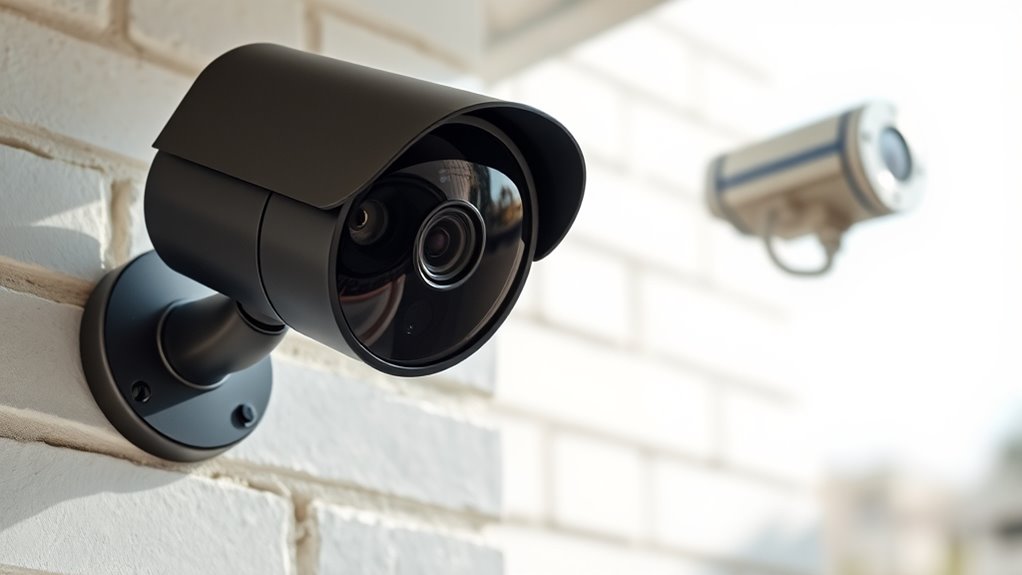
The evolution of home security cameras has transformed how you protect your property, making surveillance more accessible and effective than ever before. Gone are the days when security meant bulky, hard-to-install systems with limited features. Today, you have sleek, smart devices that integrate seamlessly into your daily life, giving you real-time insights and peace of mind. It all started with simple closed-circuit television (CCTV) cameras that provided basic video monitoring. These cameras were often wired, expensive, and required professional installation, limiting their reach and flexibility. They served as a deterrent and helped catch intruders after the fact, but they lacked the sophistication needed for immediate response or remote access.
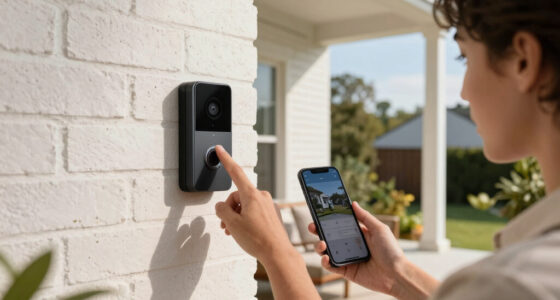
As technology advanced, wireless cameras entered the scene, transforming home security by offering easier installation and greater flexibility. You could now place cameras anywhere without worrying about tangled wires or lengthy setup processes. These wireless devices often came with mobile apps, allowing you to view live footage from your phone—no matter where you were. This shift made it possible for you to monitor your home 24/7, receive instant alerts for motion detection, and review footage on demand. The improvement in connectivity, paired with better video quality, meant that the images you received were clearer, making it easier to identify faces, license plates, or other details vital for security.
Wireless cameras offer easy installation, remote viewing, and sharp images—making home security more flexible and effective than ever before.
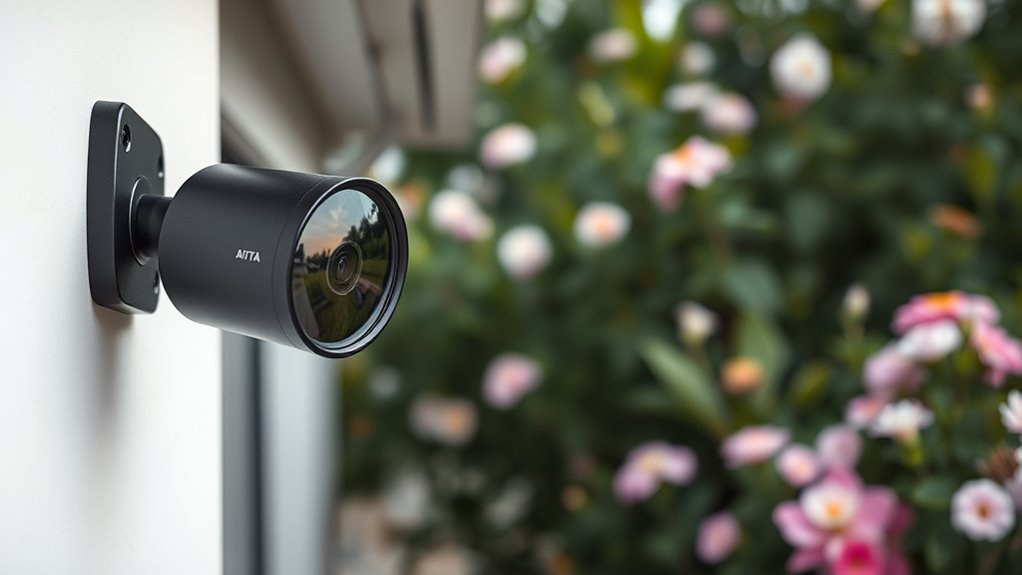
The next significant leap came with the integration of smart technology. Cameras started to include features like night vision, two-way audio, and higher-resolution video, giving you a more extensive view of your surroundings. You could communicate with visitors or intruders directly through the camera, which added an extra layer of security. As artificial intelligence (AI) began to influence security systems, cameras could now distinguish between humans, animals, and objects. This reduced false alarms and helped you focus on genuine threats. AI-powered cameras could also learn patterns over time, alerting you only when unusual activity occurred, saving you from constant notifications. Additionally, advancements in color accuracy have led to more true-to-life images, further enhancing identification capabilities during surveillance.
Today, the evolution continues with the incorporation of advanced analytics and cloud storage. You can now access your footage from any device, store large amounts of data securely, and even have AI analyze footage for specific events automatically. This progression means that your home security system isn’t just passive—it actively works to protect you, providing smarter, more reliable, and more convenient surveillance. As these technologies keep advancing, you can expect future cameras to be even more intuitive, integrated, and capable of keeping your home safer with less effort on your part.
wireless home security camera with night vision
As an affiliate, we earn on qualifying purchases.
As an affiliate, we earn on qualifying purchases.
Frequently Asked Questions
What Are the Main Differences Between Wired and Wireless Security Cameras?
Wired security cameras connect directly to your power supply and recording devices, offering reliable, consistent footage without interference. Wireless cameras, on the other hand, use Wi-Fi, making installation easier and more flexible. They can be moved easily and often come with smart features like remote viewing. However, wireless cameras can be affected by Wi-Fi issues or interference, while wired systems tend to be more stable and secure.
How Do AI Features Enhance Modern Home Security Cameras?
AI features substantially boost your home security cameras by enabling real-time motion detection, facial recognition, and activity alerts. You get instant notifications if something unusual happens, allowing you to respond quickly. AI also helps reduce false alarms by filtering out irrelevant movements like animals or shadows. With these smart capabilities, your security system becomes more proactive, giving you peace of mind and greater control over your home’s safety.
What Are the Privacy Concerns With Advanced Security Camera Systems?
You might think advanced security cameras are purely about safety, but they also raise privacy concerns. These systems often record and store footage, which could be accessed by hackers or misused by companies. You should be cautious about data sharing and permissions. While AI enhances security, it can also lead to surveillance overreach, making you vulnerable to privacy violations if you don’t review settings and understand who has access to your data.
How Do Security Cameras Integrate With Other Smart Home Devices?
You can easily connect your security cameras with other smart home devices through a centralized platform or app. This integration lets you control cameras, lights, locks, and thermostats seamlessly, enhancing your home’s security and convenience. Many modern cameras support voice assistants like Alexa or Google Assistant, allowing you to receive alerts or view footage hands-free. This interconnected setup helps you monitor and manage your home more efficiently, all from a single interface.
What Are the Costs Associated With Upgrading to Ai-Powered Security Cameras?
Upgrading to AI-powered security cameras can cost anywhere from $100 to over $500 per camera, depending on features like advanced motion detection, facial recognition, and cloud storage. You might also face additional expenses for installation, subscription plans, or integration with existing smart home systems. While the upfront costs are higher, these cameras offer better security, smarter alerts, and long-term savings by reducing false alarms and enhancing overall protection.
AI-enabled security camera with two-way audio
As an affiliate, we earn on qualifying purchases.
As an affiliate, we earn on qualifying purchases.
Conclusion
As you’ve seen, home security cameras have come a long way—from simple CCTV footage to intelligent AI-powered systems. It’s easy to believe these advancements keep you safer, but some say the constant surveillance might also invade your privacy. While technology offers unmatched protection, consider whether we’re sacrificing too much of our personal freedom. Ultimately, embracing innovation requires balancing security with privacy—trust that, with awareness, you can enjoy the benefits without losing yourself.
smart surveillance camera with cloud storage
As an affiliate, we earn on qualifying purchases.
As an affiliate, we earn on qualifying purchases.
wireless CCTV replacement camera
As an affiliate, we earn on qualifying purchases.
As an affiliate, we earn on qualifying purchases.
NFL season / tailgating Picks
team gear
As an affiliate, we earn on qualifying purchases.