
TL;DR

Get home appliances delivered free with Prime
- Fast, free delivery on millions of items
- Prime Video, Amazon Music and more included
- Member-only deals all year
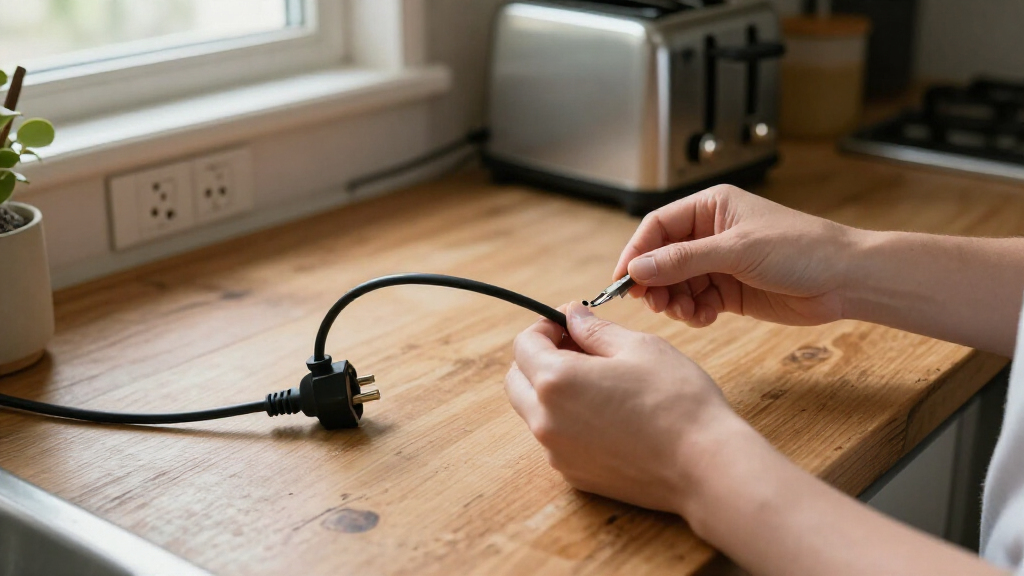
The holes in some electrical plug prongs originally fit bumps in older outlets to help keep plugs from slipping out. Modern outlets grip the blades directly, and the holes are not required by U.S. plug standards; manufacturers may still use them during production or to attach safety tags and locks.
Holes in electrical plug blades began as a way to help plugs stay in older outlets, but they are no longer needed for that purpose in modern receptacles, according to a Family Handyman report citing the National Electrical Manufacturers Association. Manufacturers may still include the holes to help position blades during production or to attach tags and locks; the openings do not carry electricity or provide grounding.
In some older outlets, small bumps inside the contacts fitted into the holes in a plug’s metal blades. That arrangement helped retain the plug. The report says the approach changed after Underwriters Laboratories began requiring outlets to hold plugs securely without those bumps. Modern receptacles grip the blades themselves.
NEMA says manufacturers largely stopped adding the bumps, known as detent nibs, because they made plugs harder to withdraw while not helping meet the minimum retention requirement. The trade association’s FAQ explains: “Most manufacturers stopped putting the detent nibs on the female contacts” because of the withdrawal-force requirements. The report advises that if a plug repeatedly slips out, the outlet may need replacement.
Today, the holes are optional under American plug standards, according to the report. Some manufacturers use them to hold blades in place during production. They can also accommodate small safety tags or locks on unplugged equipment. Those uses do not make the holes a substitute for appropriate safety procedures or equipment.
What the Holes Mean for Safety
Knowing what the holes do can help clear up common misunderstandings about household electrical safety. They are not childproofing features: tamper-resistant receptacles use internal shutters to prevent objects from being inserted into the openings. The holes in a plug blade do not perform that function.
They also do not indicate that a plug is grounded. On a three-prong plug, the round third prong provides grounding; the two flat blades carry out their usual functions whether or not they have holes. If a receptacle does not hold a plug firmly, the holes will not fix the problem. The report says the outlet may need to be replaced, rather than relying on the plug’s blade design.
For workplace maintenance, a tag or lock attached through a blade hole should not be mistaken for a complete safeguard against equipment starting unexpectedly. The report points to OSHA’s lockout/tagout rules for controlling hazardous energy during covered maintenance work. Those requirements concern the equipment and work process, not a special electrical function of the holes.
Products Worth Considering

EcoFlow Delta 3 Max Portable Power Station with 220W Solar Panel, 2048Wh

Logitech MX Mechanical Wireless Illuminated Keyboard, Tactile Quiet, Graphite

LG UltraGear 25G590B-B 25-Inch Full HD 1000Hz Gaming Monitor
As an affiliate, we earn on qualifying purchases.
How Outlet Retention Changed
The small openings are found on many flat-blade plugs, but plug designs vary: some cords have two prongs, some three, and some appliances use other configurations. The holes’ original role was mechanical. They allowed bumps inside certain older receptacles to engage with the blades and help hold a plug in place.
According to NEMA’s 2023 Wiring Devices: Frequently Asked Questions, the detent-bump design fell out of use as outlet requirements addressed how securely receptacles must retain plugs and how much force should be needed to pull them out. With outlets gripping the blades directly, the holes are no longer necessary for retention. NEMA has guidance on their size and placement when manufacturers choose to include them, but the report says U.S. plug standards do not require the holes.
What Varies by Plug and Outlet
The report does not identify how many plugs or manufacturers currently use the holes for production, tags, or locks. Those uses are described as practices some manufacturers may choose, rather than as features present on every plug. The exact design and function can vary by product.
The report also does not diagnose any particular loose outlet. A plug that slips out may indicate that a receptacle needs attention, but the cause cannot be determined from the holes in the plug alone. The article offers general information, not an inspection of a specific outlet or appliance.
Check the Outlet, Not the Holes
For readers, the practical takeaway is to focus on whether the outlet holds a compatible plug securely. If a plug keeps slipping out, the report says the receptacle may need replacement; the blade holes are not a repair or retention feature in modern outlets. The source material does not announce a forthcoming standards change or a new product requirement.
For tamper-resistant receptacles, the Electrical Safety Foundation International says some resistance can be felt as the internal shutters engage. If insertion requires excessive force, it says the plug may be damaged. Workplace teams doing covered maintenance should follow applicable OSHA hazardous-energy control procedures rather than treating a hole in a blade as sufficient protection.
Key Questions
Do the holes in plug prongs help electricity flow?
No. According to the report, the holes do not help electricity flow; they are openings in the metal blades that have mechanical or manufacturing uses.
Are the holes a child safety feature?
No. Tamper-resistant receptacles use internal shutters to obstruct objects from entering the outlet. The holes in plug blades do not provide that protection.
Do the holes mean a plug is grounded?
No. On a three-prong plug, the round third prong handles grounding. The holes in the two flat blades are unrelated to grounding.
Why might a plug still have holes?
Some manufacturers use them to hold blades during production or to attach small tags or locks to unplugged equipment. The report says the holes are not required by American plug standards.
What should I do if a plug keeps falling out?
The holes are not intended to solve that problem in modern outlets. The report says a receptacle that does not grip a plug may need replacement; it does not assess any specific outlet.
Source: familyhandyman.com