TL;DR

Get home appliances delivered free with Prime
- Fast, free delivery on millions of items
- Prime Video, Amazon Music and more included
- Member-only deals all year
House Beautiful’s report draws on professional organizers’ advice for managing clutter in small homes through four repeatable habits: create drop zones, use a one-in-one-out rule, decline unnecessary freebies and put items away after use. The guidance focuses on routines that limit clutter and make it easier to restore order, not on a single weekend overhaul.
House Beautiful has reported four habits recommended by professional organizers for keeping clutter under control in small homes: set up drop zones and a collection basket, remove an item when bringing in a new one, turn down unneeded freebies and put things away after use. The advice matters for residents with limited storage because it focuses on preventing everyday items from spreading across the surfaces they rely on.
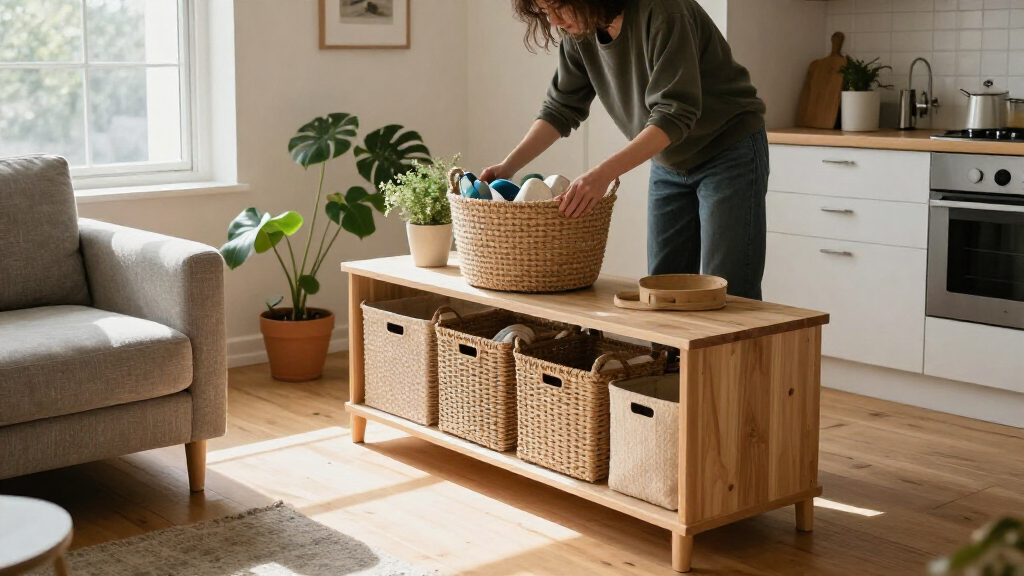
The report presents the habits as repeatable systems, rather than a one-time cleanout. For a drop zone, organizers suggest giving frequently misplaced belongings a designated landing spot: a tray or bowl for small items near an entry, hooks for keys and bags, or a basket for blankets or remote controls. Cathy Orr, cofounder of The Uncluttered Life, also recommends one collection basket for items picked up around the home. Residents can spend about 10 minutes each evening returning those items to their usual places.
A second habit is the “one in, one out” rule: before bringing a new item home, remove something from the same category. The report says checking existing closet, refrigerator or pantry supplies before shopping can also help prevent duplicates. Macie Kreutzer, founder of For the Love of Simple, advises clearing at least one item from a category before buying more and not bringing in more than the home can physically hold.
The other two suggestions focus on resisting and clearing small sources of accumulation. Diane Greenhalgh, owner of Tiny to the Max, advises declining freebies unless there is a specific, immediate use for them; examples include hotel toiletries, event giveaways and extra takeout utensils. For day-to-day upkeep, she recommends putting away makeup, dishes and work materials once finished. Carroll Cartwright, owner of Neatly & Co., suggests a 10-to-15-minute daily reset when tidying as you go is not practical.
Small Routines, Less Surface Clutter
In a small home, items left out can occupy a noticeable share of the available counters, tables and floors. The organizers’ recommendations target the repeated decisions that create clutter: where to leave something, whether to bring another item in and when to return belongings to storage. A designated collection point can keep loose objects together, while a short reset gives them a route back to their homes.
The report does not claim that these habits increase a home’s physical size or guarantee a particular result. Their practical value is that they can make visible surfaces easier to use and reduce the need to wait for a major cleanout. The routines also allow residents to start with a manageable task instead of trying to organize every room at once.
Products Worth Considering

Samsung Galaxy Tab S10 Lite – 6 GB RAM, 128 GB storage, up to 2 TB microSD, 10.9‑inch LCD, Gray

Samsung Galaxy Tab A11+ 11-Inch Tablet, 6GB RAM, 128GB Storage, Expandable, Gray

Bose TV Speaker (2nd Gen) Compact Soundbar
As an affiliate, we earn on qualifying purchases.
Why Small Homes Need Repeatable Systems
The House Beautiful report describes small homes, including studio apartments and galley kitchens, as places where clutter can collect quickly on flat surfaces. Its central premise is preventive: keeping unnecessary items from entering or remaining in a home may be easier to maintain than repeatedly clearing piles after they form.
Professional organizer Gayle M. Gruenberg of Let’s Get Organized said the challenge is not knowing that belongings should be picked up, but finding the motivation and tools to do it consistently. The report’s four habits address different points in that cycle: assigning a place for things, limiting new arrivals, reviewing accumulated extras and completing small tasks before they linger.
““The hard part is actually DOING it. It requires motivation, presence of mind, initiative, and the necessary tools.””
— Gayle M. Gruenberg of Let’s Get Organized
No Measured Results Provided
The report offers professional organizers’ recommendations, not results from a controlled study or a comparison of households that used the habits. It does not quantify how much space or time residents might save, or say which routine works best for different homes. The amount of effort required will depend on a household’s belongings, storage and schedule.
It is also unclear whether readers will maintain the habits over time; the report presents them as manageable routines but provides no follow-up data. The advice does not replace an assessment of a particular home’s storage needs.
Start With One Weekend Routine
Readers can try one habit over a weekend, such as placing a basket where misplaced items commonly gather or reviewing one category before shopping. A simple next step is to schedule a 10-minute evening reset and return the basket’s contents to their usual locations. The report does not identify a follow-up study or additional milestone; whether the habits help a particular household will depend on putting them into practice and sustaining them.
Key Questions
What are the four decluttering habits?
Use drop zones and a collection basket, remove one item when bringing in another, decline freebies without a specific use, and put things away after using them.
What is a collection basket?
It is a designated container for belongings picked up around the home that are not in their usual places. The report recommends spending about 10 minutes each evening returning those items.
How does the one-in, one-out rule work?
Before bringing a new item into a category, remove one item from that category. The aim is to keep possessions from exceeding the space available.
Do the habits have proven results?
The report shares advice from professional organizers, but provides no measured results or guarantees about how much space a household will gain. The effect will vary by home and by how consistently the habits are followed.
Source: housebeautiful.com