
TL;DR

Get home appliances delivered free with Prime
- Fast, free delivery on millions of items
- Prime Video, Amazon Music and more included
- Member-only deals all year
House Beautiful’s gardening report describes seven ways to reuse fallen leaves instead of sending them to a landfill. The suggestions include mowing a thin layer into the lawn, making mulch or compost, protecting wildlife habitat and insulating plants through winter.
House Beautiful has published seven suggestions for using fallen leaves in yards and gardens instead of bagging them for disposal. The recommendations range from mowing a thin layer into a lawn to using leaves as wildlife cover, mulch, compost material and winter insulation for plants.
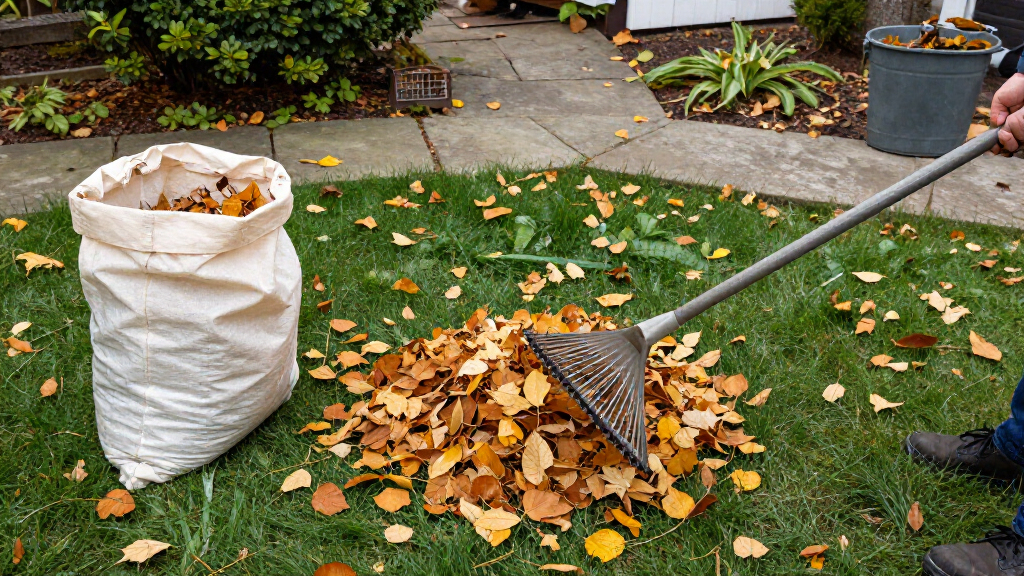
For lawns, the report says homeowners can mow over leaves when the layer is less than one inch thick. It recommends letting them dry first and using a mulching mower, or making a second pass at a right angle with a standard mower to break the leaves into smaller pieces. The source cautions that thick leaf layers are not the scenario described for mowing into the lawn.
Leaves can also be left whole in garden beds to provide winter cover for insects, spiders, turtles, toads and small mammals, a suggestion the report attributes to the National Wildlife Federation. For garden mulch, House Beautiful cites the University of Delaware and recommends applying shredded leaves in a two- to three-inch layer around shrubs and perennial plants to help suppress weeds and reduce soil erosion.
Other options are to work shredded leaves into garden beds in fall or early spring, save dry leaves as “browns” for a compost pile, and use leaves to line garden paths. The seventh suggestion is to mound leaves around and over certain greens and perennial herbs to help extend their growing season. The report recommends a three- to five-inch covering for plants such as Swiss chard, sage, parsley and oregano, and says chicken-wire cages can help keep leaves in place.
Leaves Can Serve More Than One Purpose
Reusing leaves offers homeowners alternatives to treating them as yard waste. Depending on how they are handled, the same seasonal material can return nutrients to a lawn, protect soil, contribute to compost or shelter wildlife. The practical value varies by location and garden conditions, but the suggestions show how one autumn cleanup can support several yard needs.
Some uses also require little or no specialized equipment. A garden fork or spade can turn leaves into beds, while a simple pile can serve as a compost setup. The source says residents without space for composting can check with their municipality, since some towns and cities collect leaves and yard debris and later offer the resulting compost to residents.
As an affiliate, we earn on qualifying purchases.
Seven Uses From Lawn to Garden
The report’s advice separates leaves by how they will be used. For lawn care and mulch, shredding is generally preferred; whole leaves are more useful when they are meant to provide cover in garden beds. The article warns that whole leaves on a path can become slippery and may mat down, making shredded leaves a better option there.
For composting, the report identifies leaves as “browns” to be combined with green materials over the growing season. It does not set out a specific compost recipe or ratio. For vegetable and herb beds, it says leaves may be tilled into soil in fall, or spread on top and worked in during early spring. A tiller is not required; a garden fork or spade can do the work.
“A two- to three-inch layer of shredded leaves can be used as mulch around shrubs and perennials.”
— House Beautiful, citing the University of Delaware
As an affiliate, we earn on qualifying purchases.
Local Conditions Shape the Results
The report offers general gardening suggestions, not a guarantee that every use will suit every lawn, plant or climate. It does not specify which leaf types, soil conditions or local rules might affect each method. Homeowners should also check whether their municipality accepts leaves for collection and whether it provides finished compost; the report says such programs exist in some places, not everywhere.
The source does not provide comparative measurements for how much mowing, mulching or composting changes plant growth, soil health or disposal volumes. Its recommendations describe possible uses rather than measured outcomes, so results may vary with the quantity and condition of the leaves and the needs of the yard.
As an affiliate, we earn on qualifying purchases.
Choose a Method This Autumn
Homeowners can start by deciding whether leaves are best used on the lawn, in beds, on paths or in a compost pile. For lawn use, the report’s threshold is a layer under one inch; for mulch, it recommends shredding and applying two to three inches. Whole leaves are the suggested choice when the goal is to provide cover for wildlife.
Those who cannot compost at home can contact their local municipality to ask about leaf and yard-debris pickup. The source offers no single next deadline or event: the advice is seasonal, and the timing for using leaves in beds or around plants depends on the gardener’s fall cleanup and local growing conditions.
As an affiliate, we earn on qualifying purchases.
Key Questions
Can I mow fallen leaves into my lawn?
The report says to mow over leaves when the layer is less than one inch thick. Let them dry as much as possible first. A mulching mower is recommended; with a standard mower, a second pass at a right angle can further break them up.
Should leaves be shredded before using them as mulch?
Yes. House Beautiful recommends shredded leaves for mulch around shrubs and perennials, in a two- to three-inch layer. Whole leaves are suggested instead when the aim is to create winter cover in garden beds.
How can leaves help wildlife in winter?
The report, citing the National Wildlife Federation, says leaves left whole in garden beds can provide cover for insects, spiders, turtles, toads and small mammals during cold months.
What can I do with leaves if I do not have room to compost?
Check with your municipality. The report says some towns and cities collect leaves and yard debris and turn them into compost that may later be offered to residents; availability varies by location.
Source: rss
Cold & flu season Picks
humidifiers
As an affiliate, we earn on qualifying purchases.