
TL;DR

Get home appliances delivered free with Prime
- Fast, free delivery on millions of items
- Prime Video, Amazon Music and more included
- Member-only deals all year
A Hunker report identifies two cabinet directions designers expect to see more of in 2027: traditional details such as Shaker doors and inset fronts, and fewer upper cabinets in favor of open or alternative storage. The report cites designer comments and a Google Trends search increase, but does not establish that either style will dominate kitchens industry-wide.
A Hunker report says designers expect two cabinet directions to gain attention in kitchens in 2027: a return to traditional details and a move toward fewer upper cabinets. The forecast points to warmer wood finishes, classic door profiles and more open wall space, but it is a design prediction—not evidence that these choices will become the dominant kitchen style.
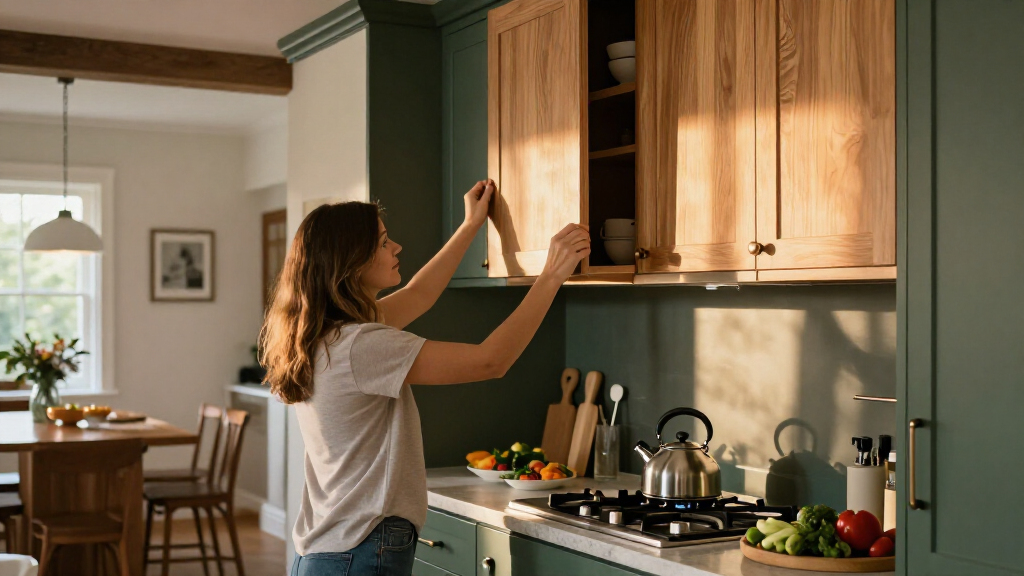
For the traditional look, the report describes Shaker-style doors, inset cabinetry, molding and furniture-like details such as decorative legs or exposed hinges. It says the style need not read as ornate or dated: slim Shaker fronts and contemporary paint colors can give familiar profiles a more restrained appearance. The report attributes the observation about classic profiles to designer Christopher Boutlier, speaking to Southern Living.
The second direction is reducing wall-mounted upper cabinets. Alternatives include open shelving, rails for hanging cookware, display cabinets and keeping the wall above the counter clear. The report cites designer Brianna Scott, who told Good Housekeeping that people enjoy collecting kitchen items and that displaying them can make a room functional and personal without extensive millwork.
Fewer upper cabinets do not mean every kitchen will be without closed wall storage. Hunker notes that cabinets extending all the way to the ceiling remain an option, particularly where storage is needed. That approach avoids an open gap above the cabinets, while retaining a more continuous built-in appearance.
Storage Choices Shape the Forecast
These recommendations affect more than a kitchen’s appearance. Removing upper cabinets can open up a wall and create room to display everyday dishes, but it also reduces enclosed storage. Households considering the look may need to decide where less-used cookware, food and small appliances will go before replacing cabinets or planning a renovation.
The traditional-cabinet forecast offers a different kind of flexibility. Classic door profiles and warm finishes can be paired with current colors or simpler detailing, rather than recreating an older kitchen in full. For readers making design decisions, the practical takeaway is to treat the forecast as a set of options, not a requirement to follow a single look.
Open shelving also changes the work involved in keeping a kitchen organized: displayed objects remain visible, while closed cabinets conceal clutter. The source does not quantify costs, resale effects or how widely homeowners will adopt either trend. Its value for readers is in identifying design ideas circulating among the designers and publications it cites, while leaving those broader outcomes unproven.
As an affiliate, we earn on qualifying purchases.
From Warm Wood to Open Walls
The report places the forecast against a recent shift away from kitchens it describes as stark or clinical, toward warm tones and textures. It says honey-oak finishes returned to view in 2026 and frames traditional cabinetry as part of that broader interest in natural-looking materials and familiar details. These are descriptions of design direction, not a dated survey of completed kitchen projects.
To support interest in traditional cabinetry, Hunker cites Google Trends data showing searches for “traditional kitchen cabinetry” were 150% higher than in 2025. That figure refers to search activity, not cabinet sales, installations or the share of kitchens using the style. The report does not specify the exact search window or provide a broader adoption measure, so the statistic should be read as an indication of online interest only.
The discussion of fewer upper cabinets likewise draws on designer commentary, including remarks from Emily Henderson about questioning the conventional run of wall cabinets. Designers’ observations can point to emerging ideas, but they do not by themselves establish how common a choice is among homeowners or builders.
“Not fussy or overly ornate, but kitchens that feel as though they could have been built a hundred years ago.”
— Christopher Boutlier, speaking to Southern Living, as quoted by Hunker
As an affiliate, we earn on qualifying purchases.
How Broad the Shift Will Be
The forecast does not establish that these two styles will “take over” kitchens in 2027. No industry-wide adoption figures, sales data or survey of homeowners are provided. The Google Trends number measures searches, and its comparison window is not detailed in the source excerpt; it cannot show how many people actually install traditional cabinets.
It is also unclear how much storage households will give up if they reduce upper cabinets, or whether open shelving will suit kitchens with limited space. The report presents designer perspectives and possible approaches, not a guarantee of what builders, retailers or homeowners will choose next year.
traditional inset kitchen cabinets
As an affiliate, we earn on qualifying purchases.
As an affiliate, we earn on qualifying purchases.
Watch for Adoption Beyond Design
Whether the forecast becomes a broad shift will be clearer as 2027 projects and product choices emerge. Useful evidence would include homeowner surveys, cabinet sales or installation data, and more specific reporting on how designers are using open storage alongside traditional details.
For now, readers planning a remodel can compare the two ideas with their own storage needs and preferred level of upkeep. The source offers examples, but does not set out a single design recommendation or claim that either trend is right for every kitchen.
As an affiliate, we earn on qualifying purchases.
Key Questions
What two cabinet trends does the report forecast for 2027?
It points to a return to traditional cabinet details and fewer upper cabinets, with alternatives such as shelving, rails or display storage.
What counts as traditional cabinetry in this forecast?
Examples include Shaker-style doors, inset fronts, molding and furniture-inspired features such as decorative legs or exposed hinges. The report also mentions slim Shaker styles and modern paint colors as less formal variations.
Does fewer upper cabinets mean no wall storage?
No. The report describes several alternatives, including open shelves, hanging rails and display cabinets. It also notes that upper cabinets can remain an option, especially when they extend to the ceiling.
Does the 150% search increase prove traditional cabinets are taking over?
No. Hunker attributes the figure to Google Trends searches for “traditional kitchen cabinetry” compared with 2025. Search interest is not sales or installation data, and the source does not give an exact search window or measure the share of kitchens using the style.
Source: rss
Fall yard work Picks
leaf blowers
As an affiliate, we earn on qualifying purchases.