
TL;DR

Get home appliances delivered free with Prime
- Fast, free delivery on millions of items
- Prime Video, Amazon Music and more included
- Member-only deals all year
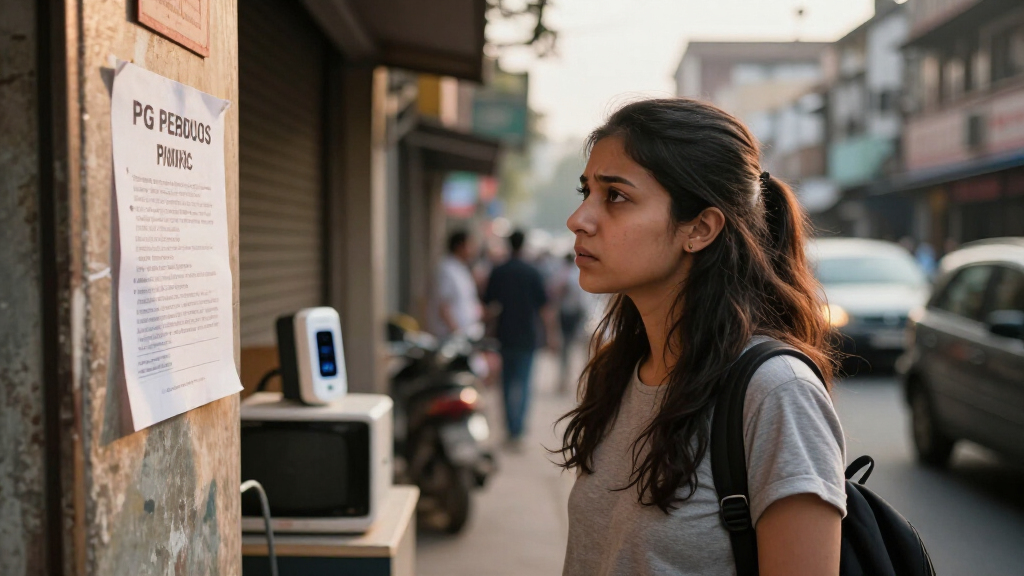
Delhi’s failure to regulate PG accommodations in Satya Niketan has led to a proliferation of unlicensed housing, raising safety and legal concerns. Authorities are under scrutiny for ignoring early warning signs.
Delhi authorities have failed to address a rising crisis of unregulated PG accommodations in Satya Niketan, despite early warning signs and public concerns. This regulatory lapse has contributed to a surge in illegal housing, raising safety, legal, and urban management issues that directly affect students and residents.
Over the past year, reports have highlighted a significant increase in unlicensed PG (paying guest) accommodations in the Satya Niketan area, a popular hub for students and young professionals. Despite these warnings, Delhi’s municipal bodies and regulatory agencies have been slow to implement effective measures to control or regularize these housing options.
Sources indicate that multiple complaints regarding illegal constructions, overcrowding, and safety violations have been ignored or inadequately addressed by local authorities. The lack of enforcement has allowed many PG operators to operate without proper licenses, violating building codes and safety standards.
Recent investigations suggest that the proliferation of these unregulated PGs has led to overcrowded living conditions, increased fire hazards, and violations of zoning laws. Several affected residents and student groups have called for stricter enforcement and better oversight, but systemic gaps persist.
Officials from Delhi’s municipal corporation declined to comment on specific enforcement failures but acknowledged ongoing concerns about illegal housing. The issue has gained attention amid reports of incidents involving fire safety violations and disputes over rent and legality.
Implications of Delhi’s Regulatory Oversight Failures
The failure to regulate PG accommodations in Satya Niketan highlights broader issues in Delhi’s urban management and housing policies. It exposes residents and students to safety risks, legal uncertainties, and exploitation by unlicensed operators. The situation underscores the need for stronger enforcement, clearer regulations, and proactive measures to prevent similar crises in other parts of the city.
Moreover, this lapse affects Delhi’s reputation as an educational hub, potentially deterring students and investors concerned about safety and legal protections. The crisis also raises questions about the effectiveness of existing urban planning and housing policies in managing the city’s rapid growth.
fire safety smoke detector for apartments
As an affiliate, we earn on qualifying purchases.
As an affiliate, we earn on qualifying purchases.
Background of Housing Regulation in Delhi and Satya Niketan
Satya Niketan has long been a popular area for students due to its proximity to Delhi University and other educational institutions. Over the past decade, the area has seen rapid urbanization, with a surge in private PG accommodations catering to the increasing student population.
Historically, Delhi’s housing regulations have struggled to keep pace with this growth. While some PG operators operate legally, many have resorted to unlicensed and illegal practices, often exploiting regulatory loopholes and weak enforcement. The issue has been compounded by a lack of systematic monitoring and the absence of comprehensive policies targeting such accommodations.
Earlier warnings from residents and student groups about illegal constructions and safety violations have been largely ignored, leading to a gradual escalation of the problem. Despite sporadic enforcement actions, the overall regulatory framework remains inadequate to curb illegal PG proliferation in the area.
portable fire extinguisher for home
As an affiliate, we earn on qualifying purchases.
As an affiliate, we earn on qualifying purchases.
Unclear Extent of Regulatory Enforcement Gaps
It is not yet clear to what extent Delhi’s municipal agencies are aware of or actively addressing the illegal PG proliferation. Details about enforcement actions taken so far remain limited, and the full scope of regulatory failure is still emerging.
There is also uncertainty about whether recent policy proposals or government initiatives are being effectively implemented or if systemic issues hinder enforcement efforts.
security camera for student housing
As an affiliate, we earn on qualifying purchases.
As an affiliate, we earn on qualifying purchases.
Next Steps for Addressing PG Regulatory Challenges
Authorities are expected to face increasing pressure from residents, student groups, and media to improve enforcement and establish clear regulations for PG accommodations. Future measures may include stricter licensing requirements, regular inspections, and legal actions against illegal operators.
Monitoring agencies are likely to increase oversight, but the timeline for comprehensive reforms remains unclear. Public awareness campaigns and community engagement may also play a role in addressing the crisis.
As an affiliate, we earn on qualifying purchases.
Key Questions
What are the main safety concerns with unregulated PGs?
Unregulated PGs often operate without proper safety measures, leading to risks such as fire hazards, overcrowding, poor sanitation, and structural violations that threaten residents’ safety.
Authorities have faced challenges such as limited resources, weak enforcement mechanisms, and systemic loopholes that allow illegal operators to continue functioning despite warnings.
What impact does this crisis have on students and residents?
Students face safety risks and legal uncertainties, while residents suffer from overcrowding, noise, and safety violations, affecting community well-being and urban safety.
Are there any ongoing investigations or legal actions?
Specific investigations are ongoing, but details about enforcement actions and legal proceedings have not been publicly disclosed. Authorities are under pressure to act more decisively.
What reforms are being proposed to regulate PG accommodations?
Proposed reforms include stricter licensing, regular inspections, penalties for illegal operators, and clearer zoning and safety regulations, though implementation timelines are uncertain.
Source: local
Halloween Picks
halloween
As an affiliate, we earn on qualifying purchases.