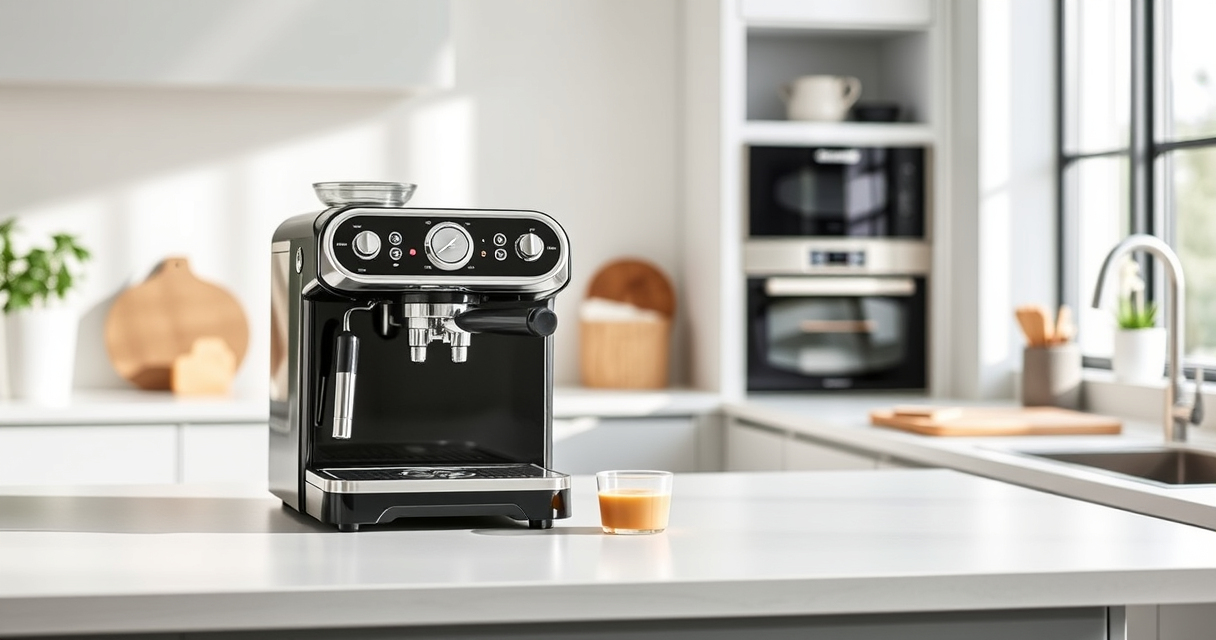

If your De’Longhi espresso machine is leaking water, it can be frustrating and disrupt your daily coffee routine. Leaks often indicate issues like a clogged or damaged water line, a faulty seal, or mineral buildup. Thankfully, most problems are fixable with some simple troubleshooting steps.

Get home appliances delivered free with Prime
- Fast, free delivery on millions of items
- Prime Video, Amazon Music and more included
- Member-only deals all year
Before attempting any repairs, ensure your machine is unplugged and cooled down. This guide provides clear, step-by-step instructions to identify and resolve common causes of water leaks, helping you save time and avoid costly repairs.
Key Takeaways
| Identify the leak source | Check for visible water pooling or drips around the machine. |
| Inspect seals and gaskets | Worn or damaged seals are common causes of leaks. |
| Clean the water system | Mineral buildup can cause blockages leading to leaks. |
| Replace faulty parts | Seals, gaskets, or water lines may need replacement. |
| Regular maintenance prevents leaks | Descale and replace filters periodically to keep the machine in top condition. |
Step 1: Unplug and Inspect the Machine
- Ensure the machine is unplugged and has cooled down completely.
- Remove any water containers, drip trays, and accessible panels.
- Look for obvious signs of leaks, such as pooled water around the base or visible drips from internal components.
Step 2: Check the Water Reservoir and Connections
Remove the water reservoir and inspect the connection points and the reservoir itself for cracks or damage. Ensure it’s seated properly when replaced. A loose or cracked water tank can cause leaks.
While the reservoir is out, examine the water inlet valves for blockage or damage. Clean any mineral deposits that might obstruct water flow.
Step 3: Inspect and Replace Seals and Gaskets
Leaking often results from worn or damaged seals or gaskets. Locate the seals around the water inlet, brew group, and other accessible areas.
If you notice cracks, deformation, or mineral buildup, replace these parts. Use the manufacturer’s recommended seals for a proper fit and durability.
Step 4: Clean the Water System and Descale
Mineral deposits can cause blockages, pressure issues, and leaks. Use a descaling solution such as De’Longhi EcoDecalk Descaler following the product instructions.
Regular descaling (every 2-3 months depending on usage) helps prevent leaks caused by limescale buildup and maintains optimal performance.
Step 5: Reassemble and Test
After inspecting, cleaning, and replacing necessary parts, reassemble the machine carefully. Make sure all components are securely in place.
Fill the water reservoir, plug in the machine, and run a test brew without coffee to check for leaks. Observe all connections and internal components closely.
Tips and Warnings
- Use genuine replacement parts: Always opt for manufacturer-recommended seals and gaskets to ensure proper fit and function.
- Maintain regular descaling: Prevent mineral buildup that can cause internal pressure and leaks.
- Handle parts carefully: Avoid forcing or damaging components during inspection or replacement.
- Safety first: Always unplug the machine before performing any maintenance or repairs.
- Consult professional help: If leaks persist despite troubleshooting, contact authorized service centers for assistance.
The Products in This Guide
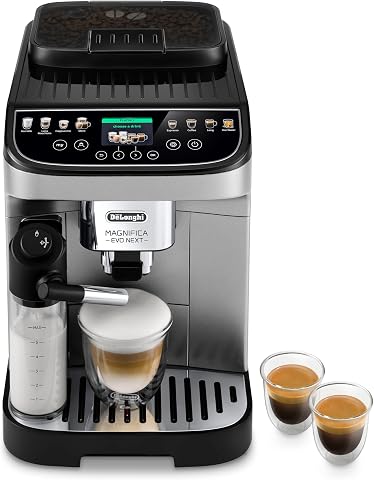
De’Longhi Magnifica Evo Next Fully Automatic Espresso Ma
- ✔ Warranty: 1 year
- ✔ Material: Stainless steel
- ✔ Voltage: 120V

De’Longhi Replacement Water Filter
- ✔ Price: Affordable
- ✔ Availability: Widely available
- ✔ Ease of Use: Very simple
De’Longhi Magnifica Evo Next Fully Automatic Espresso Ma
The De’Longhi Magnifica Evo Next Fully Automatic Espresso Machine is a top choice for coffee lovers, offering programmable features, a built-in grinder, and milk frother. Its design makes troubleshooting water leaks straightforward, and regular maintenance can keep it running smoothly for years.
Pros:
- User-friendly interface
- Built-in grinder with 13 settings
- Automatic milk frother for lattes
- Programmed drink customization
Cons:
- Can be complex to disassemble for minor repairs
- Requires regular descaling
- Water reservoir can be prone to leaks if not seated properly
Best for: Home baristas seeking a versatile, all-in-one espresso machine
Not ideal for: Users who prefer minimal maintenance or very compact machines
Bottom line: A reliable, feature-rich espresso machine that benefits from regular maintenance and troubleshooting.
De’Longhi Replacement Water Filter
Using the De’Longhi Replacement Water Filter can significantly reduce mineral deposits and prevent leaks caused by scale buildup. It fits select De’Longhi models and is easy to install, ensuring cleaner water and better tasting coffee.
Pros:
- Improves water quality
- Prevents lime scale
- Easy to install
- Enhances machine efficiency
Cons:
- Requires periodic replacements
- Additional cost
- Limited to compatible models
Best for: Maintaining water quality and preventing leaks over time
Not ideal for: If your leak is caused by mechanical damage or seals
Bottom line: Maintaining water quality with a certified filter helps prevent leaks and extends your machine’s lifespan.
Frequently Asked Questions
Why is my De’Longhi espresso machine leaking water?
Leaks can be caused by worn or damaged seals, mineral buildup, a cracked water reservoir, or loose connections. Regular maintenance and inspection can prevent most issues.
How often should I descale my espresso machine?
It’s recommended to descale every 2-3 months, or more frequently if you have hard water, to prevent mineral buildup that can cause leaks and performance issues.
Can I fix a leak myself?
Yes, many leaks can be addressed by inspecting and replacing seals, cleaning the system, and descaling. For persistent problems, consult a professional or authorized service center.
What parts are most likely to cause leaks?
Seals, gaskets, and water inlet hoses are common culprits. Check these parts first if your machine is leaking.
Is it safe to repair my espresso machine myself?
Only attempt repairs if you are confident and have unplugged the machine. For complex issues or internal repairs, seek professional help to avoid safety hazards.
Keep Your Coffee Flowing: Troubleshooting Water Leaks
Water leaks in your De’Longhi espresso machine are often fixable with careful inspection, cleaning, and part replacement. Regular maintenance, such as descaling and replacing filters, can prevent leaks before they start. If you follow the step-by-step guidance above and handle parts with care, you can restore your machine’s performance and enjoy your favorite brews without interruption.
Remember, safety first—unplug the machine before any repairs—and when in doubt, consult a professional. Proper upkeep ensures your espresso machine remains a reliable part of your daily routine for years to come.
Affiliate disclosure: As an Amazon Associate we earn from qualifying purchases. Prices and availability are accurate as of the time of publishing.
Fall Picks
fall essentials
As an affiliate, we earn on qualifying purchases.