
TL;DR
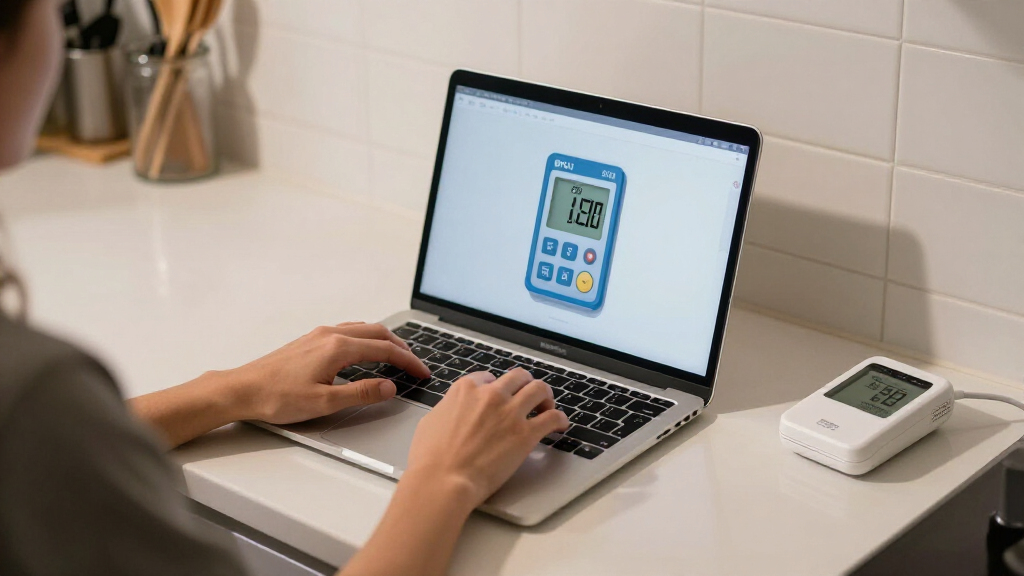
A BTU calculator quickly estimates the cooling capacity you need based on your room size and other factors. Proper sizing prevents short-cycling, humidity issues, and high energy bills. Stick to around 20 BTU per square foot, with adjustments for sunlight, occupancy, and more.
Choosing the right size isn’t just about watts or specs; it’s about matching capacity to your space and how you use it. A quick BTU calculator helps you avoid wasting money or ending up with clammy, uncomfortable air. In this guide, you’ll learn how to use the calculator, what factors matter, and how to get it just right.
Use the 20 BTU per square foot rule as a quick starting point for sizing your AC.
Adjust for sunlight, occupancy, and kitchen use — these factors can sway the capacity needs by thousands of BTU.
Avoid oversizing; it leads to short-cycling and humidity issues. Too small? It runs constantly and wears out fast.
Modern calculators incorporate climate and room specifics, improving accuracy over basic rules.
Always consider real-world factors before making a final purchase — a calculator is a guide, not a guarantee.
What Does a BTU Calculator Do? And Why Does It Matter?
A BTU calculator estimates the cooling power your room needs in British Thermal Units per hour. It’s simple but powerful. For example, a 400 sq ft room with normal sunlight, two people, and decent insulation usually needs about 8,000 BTU. If you ignore this, your AC might run nonstop or short-cycle — wasting energy and money.
This tool cuts through guesswork. It’s especially handy for quick decisions when shopping for window units or portable ACs. But remember, it’s a starting point. Real-world factors like sunlight, ceiling height, and occupancy tweak the numbers. Not accounting for these nuances can lead to over- or underestimating your needs, which affects comfort and efficiency. Underestimating results in an underperforming system that runs constantly and struggles to cool the space, while overestimating leads to short-cycling, increased wear, and higher energy bills. Recognizing why these differences matter helps you choose an AC that maintains a comfortable, consistent temperature without wasting energy.
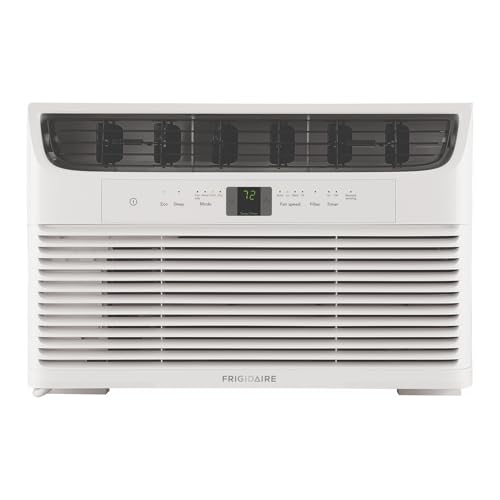
Frigidaire 8,000 BTU Window Air Conditioner with Remote Control, Cools Up to 350 Sq. Ft., Quiet Operation, Eco Mode, 3 Fan Speeds, Auto Restart, White
- Cooling Capacity: 8000 BTU for 350 sq. ft.
- Remote Control: Adjust settings easily from afar
- Customizable Comfort: 6-way airflow and 3 fan speeds
As an affiliate, we earn on qualifying purchases.
As an affiliate, we earn on qualifying purchases.
How to Use a BTU Calculator in 3 Easy Steps
- Measure your room: length x width. For a 15×20 ft living room, that’s 300 sq ft.
- Adjust for sunlight and occupants: add or subtract 10% based on how sunny or crowded the room is.
- Check the BTU chart: for 300 sq ft, start with 7,000 BTU. Add 600 BTU for each extra occupant or kitchen use.
Say your room is 300 sq ft, sunny, with 3 people. You’d start with 7,000 BTU, then add 1,200 BTU (for 2 extra people). Total needed? About 8,200 BTU. This quick calculation guides your purchase — whether it’s a 8,000 or 9,000 BTU unit. Understanding how each step impacts the final decision helps you tailor the cooling capacity to your specific needs, preventing overspending on oversized units or discomfort from undersized ones. Proper measurement and adjustment are crucial because small miscalculations can lead to significant inefficiencies or comfort issues over time.
portable air conditioner sizing guide
As an affiliate, we earn on qualifying purchases.
As an affiliate, we earn on qualifying purchases.
The 20 BTU Per Square Foot Rule — Is It Reliable?
| Room Size | BTU Needed |
|---|---|
| 150 sq ft | 3,000–6,000 |
| 300 sq ft | 6,000–8,000 |
| 500 sq ft | 10,000–12,000 |
Most experts agree that roughly 20 BTU per square foot offers a solid baseline. However, this rule is a starting point and doesn’t account for all variables. For example, a sunny room with large windows will typically need more cooling capacity because the sunlight increases heat gain, which can cause the space to heat up faster and require a higher BTU rating to maintain comfort. Conversely, a shaded basement with minimal sunlight might need less. Ignoring these factors can lead to choosing an AC that’s either too small—struggling to cool the space efficiently—or too large—causing short-cycling and humidity issues. Therefore, understanding the implications of environmental conditions is essential. Adjusting your BTU estimate based on specific room characteristics ensures you select a unit that offers optimal comfort and efficiency, preventing common pitfalls associated with oversimplified rules.
energy efficient room air conditioners
As an affiliate, we earn on qualifying purchases.
As an affiliate, we earn on qualifying purchases.
Why Oversized or Undersized ACs Cost You More
An oversized AC cools the room quickly but then turns off, causing humidity to stick around. Think of a giant fan that cools you instantly but leaves you clammy.
An undersized unit struggles to reach set temperatures. It runs constantly, wears out faster, and uses more energy.
For instance, a tiny 5,000 BTU window unit in a 250 sq ft room will run nonstop, costing more and leaving the air damp. Meanwhile, a 12,000 BTU unit in the same space will cycle on and off, saving energy and dehumidifying better. Choosing the wrong size not only impacts comfort—leading to stuffy, clammy air or persistent heat—but also affects long-term costs. An oversized unit causes short-cycling, which wears out the compressor prematurely and wastes energy, while an undersized unit runs continuously, increasing wear and energy bills. These tradeoffs highlight why precise sizing matters: it balances comfort, operational longevity, and cost efficiency. Recognizing these impacts helps you avoid costly mistakes and select an AC that performs well over its lifespan.
As an affiliate, we earn on qualifying purchases.
What’s New? How Modern BTU Calculators Are Smarter
Newer BTU calculators factor in more variables — sunlight, ceiling height, insulation, even climate zone. Some pull data from your location and window orientation. For example, a calculator might suggest a 9,000 BTU unit for your sunny top-floor bedroom versus 7,000 for a shaded basement. These advanced tools improve accuracy because they consider environmental complexities that basic rules overlook. Incorporating such data reduces the risk of under- or over-sizing, leading to more consistent comfort and energy savings. Recent updates like the SEER2 standards and refrigerant changes don’t affect the math directly but influence efficiency and upfront costs. Knowing this helps you choose a unit that’s not just the right size but also optimized for your climate and usage patterns, ultimately saving money and reducing environmental impact over time.
Real-World Example: Picking the Right AC for a Sunlit Bedroom
Imagine a 400 sq ft bedroom with large south-facing windows, three occupants, and a high ceiling. Using the BTU chart and adjustments, you’d start with 9,000 BTU. Add 1,800 BTU (for the extra people), plus 10% for sunlight — about 9,900 BTU. Rounding up, a 10,000 BTU window AC fits perfectly. This example illustrates how understanding environmental factors and occupant load helps refine your estimate, ensuring you select an appropriately sized unit. Proper calculation prevents overspending on oversized units or discomfort from undersized ones. It emphasizes the importance of considering all relevant variables—like sunlight exposure and occupancy—to make an informed choice that balances performance, efficiency, and comfort.
Frequently Asked Questions
How accurate is a BTU calculator compared to a professional load calculation?
While a BTU calculator provides a solid estimate for most rooms, professional load calculations like Manual J are more precise. They consider detailed factors like insulation, air leakage, and local climate, making them ideal for whole-home sizing. Relying solely on a basic calculator might lead to slight over- or underestimations, but for most typical rooms, it’s a practical starting point. The key is understanding the limitations and adjusting based on your specific environment to ensure comfort and efficiency.
Can I use a BTU calculator for outdoor spaces or garages?
Not really. Those spaces often have unique heat loads, like equipment or sunlight exposure, that basic calculators don’t account for. For such areas, a custom assessment or professional help is best. These spaces may require specialized calculations considering heat sources, ventilation, and insulation, which go beyond standard room assumptions. Using a calculator designed for indoor spaces might underestimate the necessary capacity, leading to inadequate cooling and increased energy use.
What’s the difference between BTU and tons of cooling?
One ton equals 12,000 BTU per hour. So, a 2-ton AC cools 24,000 BTU/hr. Choosing the right tonnage ensures efficient cooling without short-cycling or humidity issues. Oversizing by even a small margin can cause the system to short-cycle, reducing lifespan and increasing energy costs. Conversely, undersized units will run constantly, struggling to cool the space effectively. Understanding this conversion helps you select a unit that balances capacity, efficiency, and longevity.
Should I size my portable AC the same way as a window unit?
Yes, but remember portable units often have different SACC ratings and less efficiency. Use the same BTU guidelines but expect some performance loss due to design limitations. Portable units may also have different airflow and insulation characteristics, affecting their cooling effectiveness. Proper sizing remains essential, but be aware that portable units might require slightly higher BTU ratings to compensate for less optimal airflow and insulation, ensuring adequate cooling and dehumidification.
Conclusion
Getting the right size isn’t magic — it’s math, with a dash of common sense. Use a BTU calculator to get close, then tweak for your space’s quirks. A properly sized AC cools efficiently, costs less to run, and keeps you comfortable all summer long.
Think of it like fitting the perfect pair of shoes — a little effort now saves a lot of discomfort later.
Air Conditioner BTU Calculator
Estimate a right-size cooling range from room area, ceiling height, sun exposure, and occupancy.
Your estimate fits a compact room unit. Compare 6,000 BTU air conditioners sized for smaller rooms.
See compact AC matchesYour estimate lands in the mid-size range. Compare 8,000 BTU window air conditioners for bedrooms or offices.
See mid-size AC matchesYour estimate needs a larger-capacity unit. Compare 12,000 BTU air conditioners and confirm room conditions before buying.
See larger AC matchesEstimate only. Check product specs, local rates, and site conditions before buying or planning around these numbers.