
TL;DR
Kaleidescape has launched the Strato E, a high-end 4K movie player that offers lossless quality and higher bitrates than streaming services. Despite its high cost, it provides a significant upgrade for home theater enthusiasts seeking premium picture and sound.
Kaleidescape has announced the release of its most affordable 4K movie player, the Strato E, which offers high-bitrate, lossless quality for home theaters. Priced at $2,995, it marks a significant step in providing a premium alternative to streaming services, which often compromise quality for convenience. This development is notable for home theater enthusiasts seeking the highest possible picture and sound fidelity.
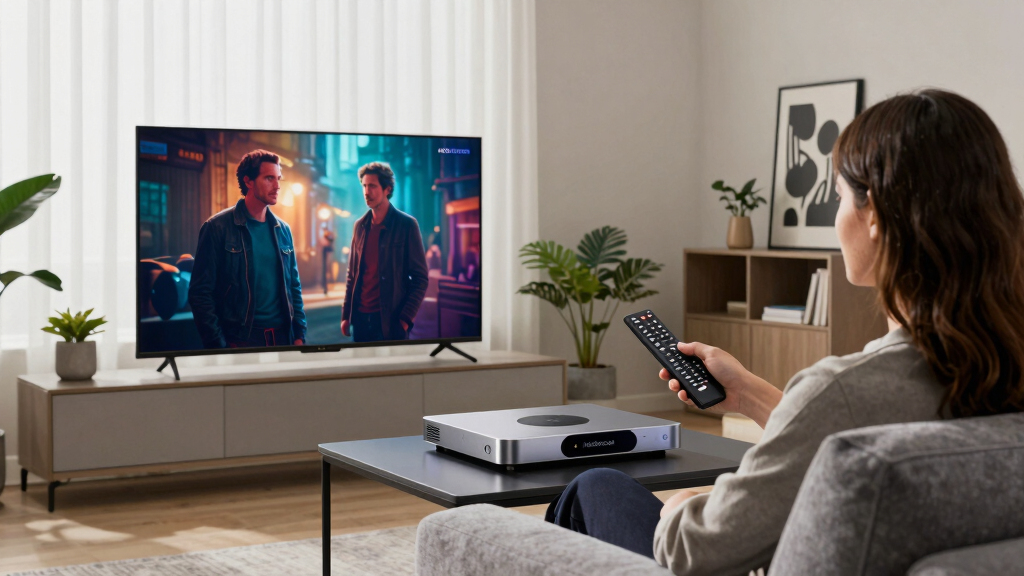
The Kaleidescape Strato E is a dedicated media player that downloads movies directly from studios, encoding them at reference quality and supporting 4K UHD resolution with higher bitrates than typical streaming or Blu-ray. It features a 480GB SSD, enough to store five to six movies, and connects via HDMI 2.1 and Ethernet. Unlike streaming, which is limited by lower bitrates and compression artifacts, the Strato E supports visually lossless quality with maximum bitrates reaching 166Mbps for some titles, ensuring richer detail and more accurate color reproduction, especially in dark or action-packed scenes.
In testing, the device demonstrated clear improvements over streaming platforms like HBO Max, with more detailed shadows, vibrant colors, and less compression noise. The audio quality also surpasses lossy streaming formats, utilizing lossless Dolby TrueHD and DTS-HD Master Audio tracks. While the device’s price remains high, it is significantly more affordable than previous Kaleidescape models, which have historically been limited to custom home theater installations.
Impact of Kaleidescape’s Affordable High-End Player
This release signifies a major shift for home theater enthusiasts, offering a high-quality, disc-free viewing experience that rivals or exceeds traditional Blu-ray. It highlights a potential turning point in the market, where premium digital downloads could challenge the dominance of streaming, especially for viewers prioritizing picture and sound fidelity. However, the high cost limits its accessibility, keeping it within the niche of dedicated AV enthusiasts and custom installers. The move underscores ongoing dissatisfaction with streaming quality among cinephiles, emphasizing the desire for a better home viewing experience.

Micca 4K Ultra-HD USB and microSD Media Player, 4K HDMI, Digital Signage
- Enhances TV with media playback: Plays videos, music, slideshows from USB/MicroSD
- Supports 4K Ultra-HD videos: Plays 4096×2304@30fps over HDMI
- Compatible with various displays: Works with 4K and 1080p TVs, projectors
As an affiliate, we earn on qualifying purchases.
As an affiliate, we earn on qualifying purchases.
Background on Kaleidescape’s Position in Home Theater Market
Kaleidescape has long been known for its high-end media servers and players, offering visually lossless 4K quality directly from studios, bypassing the limitations of streaming and physical discs. Historically, its products have been expensive and primarily used in custom home theater setups. The company’s approach involves encoding movies at reference quality, supporting high bitrates and lossless audio, which appeals to audiophiles and cinephiles seeking the best possible experience. The new Strato E aims to bring this premium quality to a broader audience, albeit still at a premium price point. The market has seen a decline in physical media sales and dissatisfaction with streaming quality, creating a niche for high-end digital alternatives.
“The Strato E brings high-quality, disc-free movies into the hands of more home theater enthusiasts, without compromising on picture and sound fidelity.”
— Kaleidescape spokesperson

HDMI Media Player, Black Mini 1080p Full-HD Ultra HDMI Digital Media Player
- Compact and Portable Design: Fits in your hand, ideal for travel
- Full HD 1080p Support: Supports most video formats at 60Hz
- Multiple Output Options: HDMI and AV outputs for versatile connectivity
As an affiliate, we earn on qualifying purchases.
As an affiliate, we earn on qualifying purchases.
Remaining Questions About the Strato E’s Market Impact
It is not yet clear how widely the Strato E will be adopted outside niche AV markets or whether prices will decrease over time. The long-term availability of studio content optimized for this platform and consumer interest in high-end digital downloads versus physical media or streaming remains uncertain. Additionally, some reviewers have noted minor issues with noise levels and compatibility, which could influence user satisfaction.

Nutricost Kale Extract 120 Capsules for 120 Servings Per Bottle, GMO-Free
- Capsules per bottle: 120 capsules for 120 servings
- Serving size: 200mg of kale extract per serving
- Usage: Ideal for greens or plant-based routines
As an affiliate, we earn on qualifying purchases.
As an affiliate, we earn on qualifying purchases.
Future Developments and Market Reception of Kaleidescape’s Player
Kaleidescape is expected to expand its content partnerships and possibly introduce more affordable models. Observers will monitor consumer response, adoption rates, and whether other manufacturers follow suit with similar high-bitrate, lossless solutions. Market acceptance will depend on pricing, content availability, and consumer willingness to invest in dedicated high-end hardware for home theater upgrades.

Sony UBP-X700U 4K Ultra HD Home Theater Blu-ray DVD Player with HDMI Cable
- 4K Ultra HD Blu-ray Playback: Unrivaled visual clarity
- Wide Disc Compatibility: Plays DVDs and various files
- 4K Upscaling: Enhances picture up to 60p
As an affiliate, we earn on qualifying purchases.
As an affiliate, we earn on qualifying purchases.
Key Questions
How does the Kaleidescape Strato E compare to traditional Blu-ray players?
The Strato E supports higher bitrates and lossless audio, providing a more detailed and immersive experience than standard Blu-ray players, which are limited by physical disc constraints and compression.
Is the Kaleidescape Strato E suitable for casual viewers?
Given its high price and focus on premium quality, the Strato E is primarily aimed at enthusiasts and high-end home theaters rather than casual consumers.
Will the cost of this device decrease over time?
It’s uncertain. Historically, Kaleidescape products have remained expensive, though future models might see price reductions or new features to broaden appeal.
What kind of content is available for download on Kaleidescape?
Content is sourced directly from studios, supporting 4K UHD movies with high bitrates and lossless audio, but availability depends on licensing agreements and studio partnerships.
Can I use the Kaleidescape Strato E with existing home theater systems?
Yes, the device connects via HDMI and Ethernet, making it compatible with most high-end AV setups, though optimal performance requires supporting equipment for high-bitrate video and lossless audio.
Source: The Verge