
TL;DR

Get home appliances delivered free with Prime
- Fast, free delivery on millions of items
- Prime Video, Amazon Music and more included
- Member-only deals all year
A university in Tokyo is planning to create a new urban area integrated with advanced AI and robotics technology. The project aims to develop a self-sufficient, smart city within Tokyo, with construction expected to start soon and completion targeted for 2031. The initiative represents a significant step in urban innovation but many specifics are still undisclosed.
A university in Tokyo has announced plans to construct a futuristic enclave within the city that integrates artificial intelligence and robotics technology, with the aim of creating a self-sufficient, smart urban area by 2031. The project highlights Japan’s push toward advanced urban development and technological innovation.
The university, whose name has not been disclosed publicly, revealed its intention to develop a ‘city within a city’ that leverages cutting-edge AI systems and robotics to improve urban living, transportation, and infrastructure management. The project is part of Japan’s broader strategy to lead in smart city development, addressing urban density and aging population challenges.
While specific locations and funding details remain undisclosed, officials confirmed that initial planning and design phases are underway, with construction expected to commence within the next year. The development aims to include residential, commercial, and public spaces, all integrated with AI-powered services and autonomous systems.
Why It Matters
This initiative could position Japan as a global leader in urban technology innovation, potentially transforming how cities are built and managed. It may influence future urban planning worldwide, especially in densely populated regions facing similar demographic challenges. The project also underscores Japan’s commitment to advancing AI and robotics industries.
As an affiliate, we earn on qualifying purchases.
Background
Japan has been actively investing in smart city concepts, with previous pilot projects exploring autonomous transportation and IoT integration. Tokyo, as a major global city, is seen as an ideal location for such a large-scale technological experiment. The announcement follows years of government and private sector efforts to incorporate AI and robotics into urban infrastructure, amid increasing demographic pressures.
“We aim to create a model for future urban living that combines technology and sustainability, making Tokyo a global leader in smart city development.”
— University spokesperson
“This project aligns with Tokyo’s goal to become a fully integrated smart city by 2030, leveraging innovative technology for improved quality of life.”
— Tokyo city official
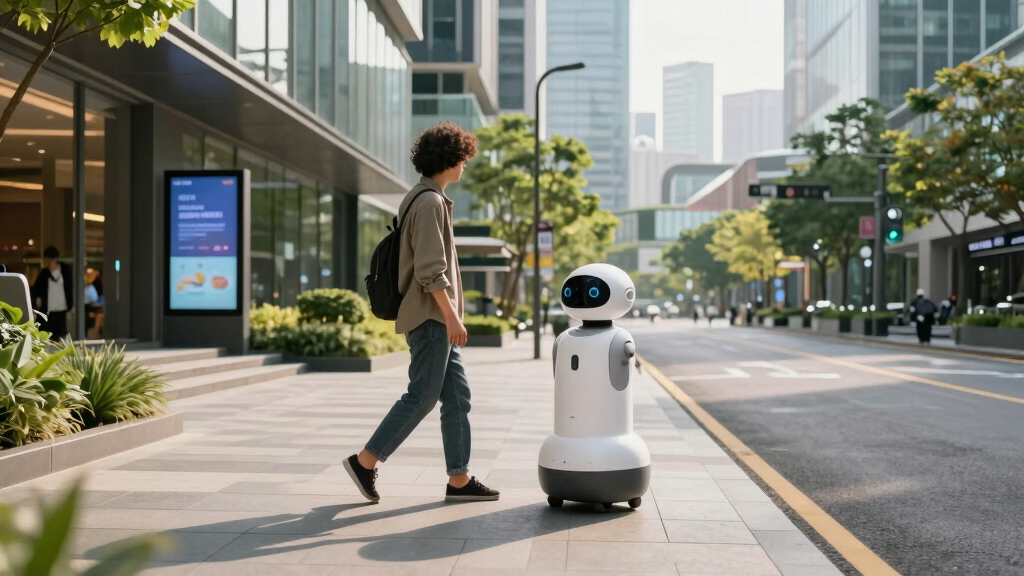
autonomous transportation robots
As an affiliate, we earn on qualifying purchases.
As an affiliate, we earn on qualifying purchases.
What Remains Unclear
Details about the project’s exact location, funding sources, and technological specifics remain undisclosed. It is also unclear how the development will address potential social, ethical, and logistical challenges associated with integrating AI and robotics into daily urban life.
As an affiliate, we earn on qualifying purchases.
What’s Next
The university is expected to release further details on the project’s scope, timeline, and technological framework in the coming months. Construction is anticipated to begin within the next year, with the first phase possibly completed by 2031. Monitoring updates from the university and Tokyo city officials will be essential to track progress.
robotic infrastructure management systems
As an affiliate, we earn on qualifying purchases.
As an affiliate, we earn on qualifying purchases.
Key Questions
What is the main goal of this project?
The project aims to develop a self-sufficient, AI- and robot-powered urban enclave within Tokyo to showcase future city living and address urban challenges.
When will construction start and finish?
Construction is expected to commence within the next year, with the entire project targeted for completion by fiscal year 2031.
Who is funding this development?
Funding details have not been publicly disclosed; it is likely a combination of university, government, and private sector investments.
What technologies will be used in this city?
While specifics are not yet available, the city plans to incorporate advanced AI systems, autonomous vehicles, robotics, and IoT infrastructure to support daily urban functions.
How will this project impact Tokyo residents?
The project aims to improve urban living through smarter infrastructure, but the exact implications for residents, such as displacement or employment impacts, are still unclear and will depend on further planning details.
Source: Nikkei Asia
Cold & flu season Picks
humidifiers
As an affiliate, we earn on qualifying purchases.